
Culinary Traditions Across Borders
In an era where globalization transforms our daily lives, culinary traditions are no exception. With cultural exchanges becoming more prevalent, chefs and enthusiastic home cooks are diving into a melting pot of cross-cultural ingredients and cooking methods. This culinary exploration results in innovative dishes that not only highlight individual creativity but also celebrate the rich diversity of world cuisines.
Take, for instance, the captivating realm of Mexican-Asian Fusion, an emerging favorite in the food scene. Imagine savoring a taco brimming with Korean BBQ: tender, marinated beef complemented by spicy kimchi and topped with a drizzle of sweet gochujang sauce. This dish beautifully marries the heat of classic Mexican spices with the umami flavors characteristic of Korean cooking, creating a delightful explosion of flavors in every bite.
Similarly, the concept of Italian-Mediterranean Blends invites food lovers to experience the zest of the Mediterranean coastline. A summer-ready pasta salad might feature al dente bowtie pasta tossed with fresh olives, sun-dried tomatoes, and crumbled feta, delivered with a bright lemon-olive oil dressing. This harmonious mix underscores how distinct yet interconnected flavors can come together to create a sensational dish.
Furthermore, American-South American Cuisine brings new flair to regional favorites, such as grilled steak topped with vibrant chimichurri sauce. This herbaceous condiment—made from fresh parsley, garlic, vinegar, and olive oil—adds a fresh and piquant punch that elevates the rich flavors of the grilled meat, showcasing the various influences that have shaped American culinary preferences over time.
As these culinary trends gain momentum, they initiate a lively dialogue of flavors and cultures. As palates expand and standard ingredients transform, a new lexicon of taste emerges, beckoning adventurous eaters to venture into uncharted territories in the culinary world. Food trucks showcasing innovative fusion tacos or upscale restaurants offering exquisite international tasting menus are just a few examples of how this evolution is taking shape. Each dish carries a narrative of connection, weaving together stories from various regions and traditions.
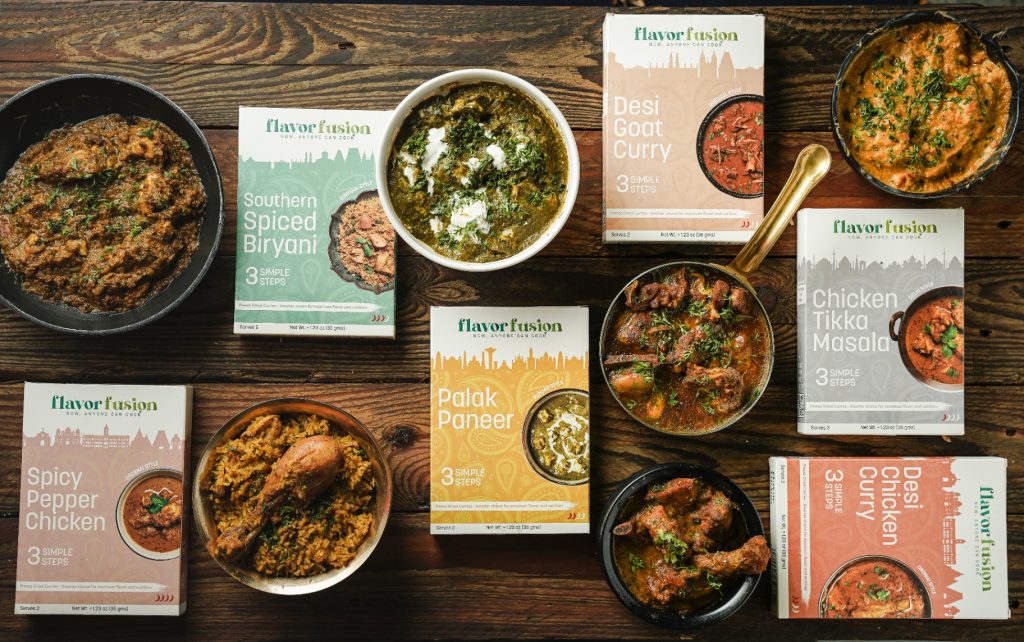
Engage with the fascinating world of culinary cross-pollination and discover how the interplay of diverse flavor profiles can ignite inspiration in your own kitchen. Whether you are a seasoned chef or just a cooking novice, an exciting culinary adventure awaits you as you experiment with the rich tapestry of global ingredients that are now within reach.
DIVE DEEPER: Click here to discover the magic of spices
The Art of Flavor Fusion
The beauty of culinary fusion lies in its ability to break down barriers and broaden our gastronomic horizons. With an array of global influences at our fingertips, today’s chefs are more inspired than ever to experiment with indigenous ingredients and traditional methods from various cultures. This exploration transforms familiar dishes into extraordinary experiences that tantalize the taste buds and stir the imagination.
One of the most exciting aspects of flavor fusion is how it encourages creativity in both professional kitchens and home cooking. Here’s a closer look at some of the popular combinations that are making waves in contemporary recipes:
- Middle Eastern and Indian Flavors: The blend of aromatic spices from these regions results in dishes that are both fragrant and invigorating. Imagine savoring a warm naan filled with spiced lamb and drizzled with zesty tzatziki sauce, where the warming notes of cardamom meet the coolness of yogurt.
- Caribbean-Latino Delights: The tropical vibrancy of Caribbean cuisine finds a perfect soulmate in Latin flavors. A quintessential dish might be a coconut curry shrimp served atop a bed of cilantro-lime rice, offering a delightful dance of sweet and savory.
- Scandinavian and Japanese Influences: As sustainability and clean eating come to the forefront, innovative pairs like pickled herring sushi are capturing attention. This combination combines the earthy depth of Scandinavian preservation methods with the delicate art of Japanese sushi.
These examples showcase how culinary enthusiasts are neither restricted by tradition nor held to the confines of cultural identity. The result? A taste of the world in a single bite. The explosion of flavors, textures, and aromas from various traditions creates a rich and exciting culinary landscape that is increasingly appealing to diners seeking new sensory experiences.
Cuisine enthusiasts are also turning to social media platforms to discover and share their creations. Instagram has become a digital gallery for vibrant fusion dishes, inspiring home cooks to replicate these flavorful masterpieces in their own kitchens. Trending hashtags like #FusionFood and #GlobalCuisine illustrate the growing demand for cross-border culinary exploration, acting as an impetus for innovative combinations and elevating the home cooking experience.
The concept of flavor fusion not only enriches our meals but also encourages us to appreciate the stories behind the ingredients. As chefs collaborate and share their passion for diverse culinary traditions, they open a dialogue that invites diners to participate in a greater understanding of culture and cuisine. Culinary events and festivals focused on fusion cooking are providing platforms for emerging chefs to showcase their creations, further bridging gaps between diverse culinary realms.
Embracing these global influences allows us to redefine what we know about cooking and eating, expanding our culinary vocabulary to include vibrant new dialogues that stir our taste buds. As the world becomes increasingly interconnected, the artistry of crossing borders in the kitchen presents endless opportunities for flavor exploration.
| Culinary Techniques | Examples and Influences |
|---|---|
| Fusion Cooking | Integrating diverse culinary methods from around the globe. |
| Ingredient Innovation | Utilizing exotic spices and local produce to create unique dishes. |
As the culinary world continues to evolve, the concept of fusion cuisine has taken center stage. One of the most exciting aspects of the theme Crossing Borders: The Fusion of Flavor Profiles in Contemporary Recipes is the remarkable skill known as fusion cooking. This technique leverages techniques from various cultures, resulting in innovative and tantalizing dishes that reflect a global palate. Chefs are exploring ways to combine traditional cooking techniques, like tandoor grilling from India with sous-vide methods used in modern French cuisine, to achieve unique flavors and textures.Moreover, ingredient innovation plays a vital role in creating contemporary recipes that captivate food enthusiasts. By incorporating exotic spices such as saffron or sumac with local, organic produce like heirloom tomatoes, chefs inspire adventurous diners to expand their culinary horizons. This blend not only offers a taste experience unlike any other but also highlights the diverse agricultural landscapes that contribute to the global food scene. As flavors from various regions meld together, they tell compelling stories of cultural exchange and culinary creativity, inviting even the most skeptical eaters to embrace global flavors.
DISCOVER MORE: Click here to learn about saffron’s delicious recipes and amazing benefits</p
The Cultural Tapestry of Flavor Fusion
Culinary fusion is not solely about blending flavors; it also weaves a rich tapestry of cultural narratives and traditions that extend beyond the plate. The exploration of these fusions is a colorful journey, revealing insights into the history of migration, trade, and inter-cultural exchanges. As chefs and home cooks alike draw inspiration from various culinary traditions, they create dishes that resonate with personal stories, communal experiences, and even political histories.
Take, for instance, the growing popularity of Asian-American cuisine. Fusion dishes such as Korean BBQ tacos reflect the intersection of Korean and Mexican influences, inspired by the diverse populations in major cities across the U.S., particularly Los Angeles. The smoky, marinated meat of Korean bulgogi paired with the fresh crunch of cabbage and spicy salsa in a taco not only tantalizes the palate but also tells the story of cultural blending and adaptation. The increasing demand for such dishes illustrates how fusion can result from community interaction, giving rise to unique culinary identity.
Further, the rise of Southern and Asian fusion highlights how multicultural influences shape American cuisine. Think of dishes like fried chicken bao buns, which combine the crispy richness of Southern fried chicken with the soft, pillowy texture of bao. This particular fusion exemplifies how two distinct culinary traditions can come together to create a comforting dish that appeals to a broad audience, proving that flavor can be both familiar and adventurous.
Moreover, the trend of Mediterranean and Latin American fusions showcases how ingredients and techniques can seamlessly intertwine. Consider a chickpea ceviche—a vibrant and refreshing dish where the traditional Latin preparation of marinated fish is expertly replaced by the earthy roots of chickpeas, offering a plant-based alternative that still celebrates the zest of citrus and bright herbs, thus infusing health-conscious twists into beloved classics.
As we broaden our culinary palettes, it is essential to acknowledge the ethical considerations that come with flavor fusion. Chefs are increasingly focusing on authenticity and representation, ensuring they honor the origins of the ingredients and techniques they use. This trend is manifested in the practice of cultural homage, where chefs attempt to respect the culinary identity they are borrowing from while innovating and pushing boundaries. It promotes a dialogue about cultural appreciation versus appropriation, paving the way for a more thoughtful culinary landscape.
Emerging culinary schools are catching on to the trend, offering classes in fusion cuisine that emphasize not only skill but also cultural understanding. Students are encouraged to explore the significance behind each ingredient, fostering creativity that honors rather than distorts the roots of diverse food traditions. As these future chefs embark on their culinary journeys, they will undoubtedly contribute to the evolution of flavor profiles across borders.
The interaction between global flavors presents an opportunity not just for innovation in meals, but also for awareness in our broader cultural narratives. In essence, crossing borders in the kitchen leads to a deeper understanding of our connectedness, where food becomes a vibrant patchwork of identity, history, and love. Each dish we indulge in brings us a little closer to cherishing the richness of the world’s cuisines, encouraging everyone—from culinary veterans to novice cooks—to take part in this deliciously diverse dialogue.
DISCOVER MORE: Click here to learn about the influence of globalization on culinary traditions
Embracing Culinary Exploration
As we traverse the enticing world of culinary fusion, it becomes clear that crossing borders in the kitchen acts as a catalyst for broader cultural appreciation and creativity. The fusion of flavor profiles not only tantalizes our taste buds but also serves as a reminder of the interconnectedness of global traditions and histories. From Korean BBQ tacos to fried chicken bao buns, these contemporary recipes encapsulate the stories of communities coming together, blending diverse practices to create something vibrant and new.
The culinary landscape in the United States reflects a melting pot of flavors that is as rich and varied as its populace. As chefs continue to explore and innovate, ethical considerations surrounding cultural homage play an essential role in maintaining respect for traditional practices while promoting new culinary expressions. By prioritizing authentic representation, we celebrate the voices of the cultures we draw from, paving the way for a mutually respectful culinary dialogue.
Moreover, culinary education is adapting to this exciting trend, encouraging aspiring chefs to cultivate their skills while embracing the narratives behind each ingredient. The emphasis on cultural understanding in these classes is essential for fostering a new generation of culinary artists who are capable of balancing innovation with integrity.
Ultimately, crossing borders in the kitchen allows us not only to indulge in a diverse range of dishes but also to deepen our understanding of the complex histories intertwined within our food. As we savor these unique fusions, we invite you to embark on your own culinary explorations—experimenting with new flavors and ingredients in your kitchen. In doing so, you’ll not only enhance your cooking repertoire but also contribute to the ongoing tapestry of flavors that celebrate our shared human experience.