
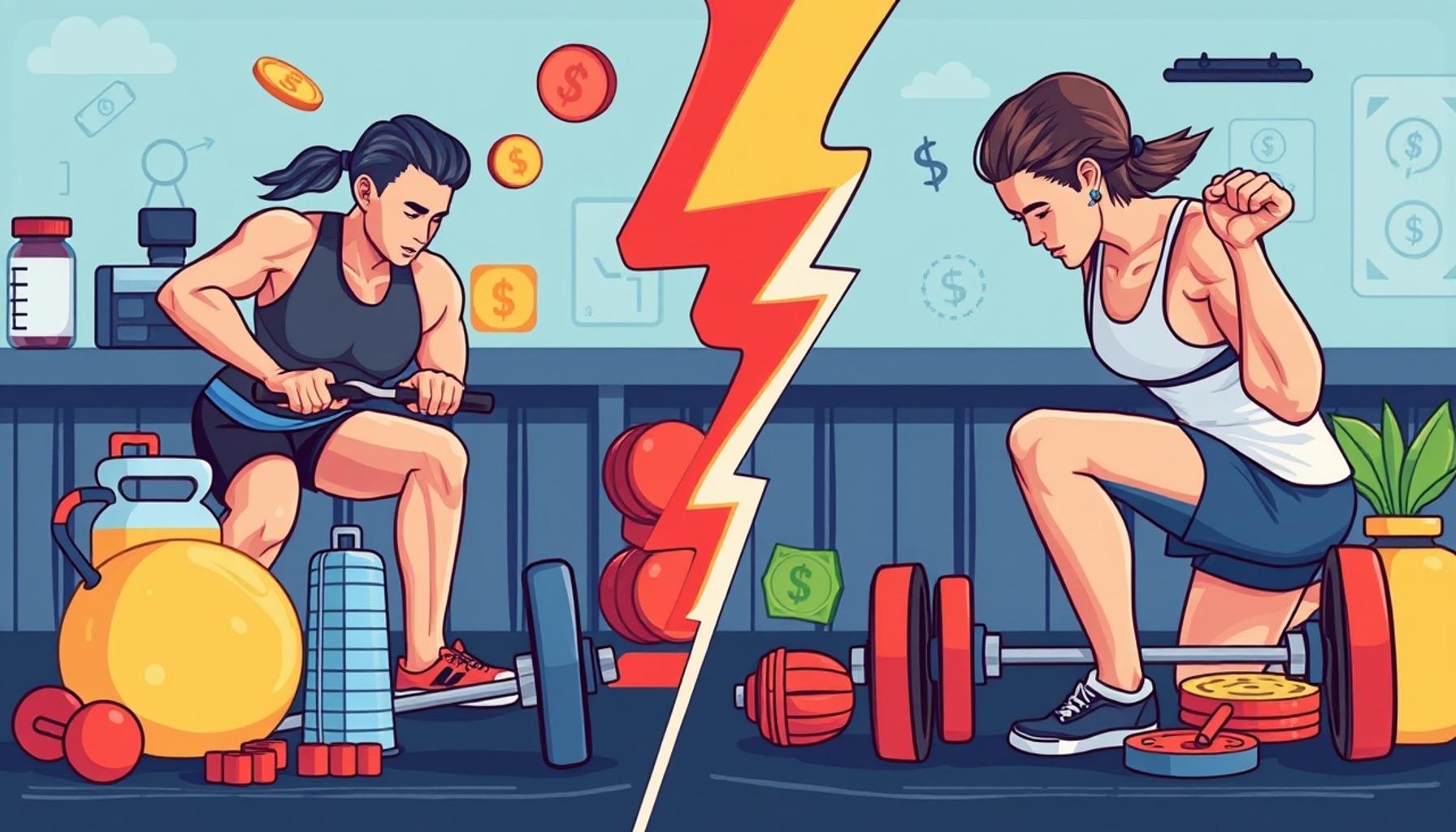
High-Intensity Interval Training (HIIT) vs. Traditional Weight Training for Fat Loss
In the pursuit of fat loss, fitness enthusiasts often find themselves at a crossroads: High-Intensity Interval Training (HIIT) or Traditional Weight Training? Each method brings unique advantages to the table, promising results that cater to different fitness goals.
High-Intensity Interval Training (HIIT) is a dynamic and time-efficient workout style that alternates between bursts of intense activity and short recovery periods, making it a favored choice for those with limited time. This approach often involves exercises like sprinting, cycling, or circuit training, lasting anywhere from 20 to 30 minutes. Its key features include:
- Burns calories quickly: A typical HIIT session can burn a significant number of calories in a short period. For instance, a 30-minute HIIT workout can burn between 300 to 500 calories, depending on the intensity and body weight of the individual.
- Boosts metabolic rate post-workout: The afterburn effect, or excess post-exercise oxygen consumption (EPOC), means that participants may continue to burn calories long after their workout has ended.
- Can be performed with little to no equipment: Many HIIT workouts leverage body weight exercises such as jump squats, burpees, and push-ups, making it accessible for individuals who prefer working out at home or outdoors.
Conversely, Traditional Weight Training focuses on building muscle strength and endurance through repetitive resistance exercises.Gym-goers often utilize free weights and machines to target specific muscle groups. Notable benefits include:
- Helps increase muscle mass: The process of lifting weights promotes muscle hypertrophy, which not only improves physical appearance but also enhances metabolic rate, as muscle tissue burns more calories at rest compared to fat.
- Supports joint stability: Proper weight training strengthens muscles surrounding joints, reducing the risk of injuries in everyday activities.
- Improves overall body composition: With consistent weight training, individuals can achieve a higher ratio of lean muscle to fat, resulting in healthier body metrics.
Choosing between HIIT and traditional weight training often depends on individual preferences, lifestyle, and specific goals. For instance, someone aiming for short-term fat loss and time efficiency might lean towards HIIT, while another with a long-term focus on muscle gain might find weight training more beneficial.
Furthermore, it is crucial to consider factors such as age, current fitness level, and any pre-existing health conditions. For example, beginners may find HIIT’s fast pace challenging, while more experienced gym-goers might thrive on the intensity. Conversely, older adults or those recovering from injuries may benefit more from the controlled nature of traditional weight training.
As we delve into the nuances of these two training methods, it becomes clear that both offer valuable pathways to achieving a healthier body. Understanding their differences can lead to a more informed choice and a personalized fitness journey that aligns with one’s unique lifestyle and goals.
DISCOVER MORE: Click here to dive deeper
The Science Behind HIIT and Traditional Weight Training
To truly grasp the benefits of High-Intensity Interval Training (HIIT) and Traditional Weight Training for fat loss, it’s essential to delve into the mechanisms that drive each method. Understanding how these workout styles affect the body can empower individuals to tailor their fitness regimes to maximize fat loss effectively.
High-Intensity Interval Training (HIIT) is not just a trend; it’s grounded in scientific principles that highlight its effectiveness. The essence of HIIT lies in its design to push the body to its limits for short bursts, followed by brief recovery periods. This training style triggers anaerobic metabolism, which primarily relies on glycogen as a fuel source, resulting in a high calorie burn during the workout. But the benefits don’t stop there. Post-workout, HIIT can elevate the heart rate and metabolic rate for hours, leading to a phenomenon known as the afterburn effect or excess post-exercise oxygen consumption (EPOC). Research indicates that HIIT can increase caloric expenditure for hours post-workout, making it a potent choice for those seeking to shed pounds quickly.
On the other hand, Traditional Weight Training functions through progressively challenging the muscles. By lifting heavier weights and performing resistance exercises, individuals stimulate muscle hypertrophy, which is crucial for fat loss in the long term. Unlike HIIT, which primarily focuses on aerobic conditioning, weight training emphasizes building muscle. Increased muscle mass can significantly boost the resting metabolic rate, meaning individuals burn more calories even while at rest. This leads to a positive cycle: the more muscle one gains, the more calories one burns, supporting sustained fat loss.
Key Considerations of HIIT vs. Traditional Weight Training
When evaluating which method may suit your goals better, consider the following factors:
- Time Efficiency: If time is a constraint, HIIT sessions can be performed in 20 to 30 minutes, while traditional weight training routines typically require longer periods, especially when incorporating sufficient rest between sets.
- Workout Enjoyment: Personal enjoyment plays a significant role in adherence to a fitness program. Some thrive in the fast-paced environment of HIIT, whereas others find satisfaction and empowerment through lifting weights.
- Fat Loss vs. Muscle Gain: HIIT is often touted as the better option for immediate fat loss, while weight training is highly effective for developing strength and long-term body composition improvements. This makes it essential to align your chosen method with your ultimate fitness objectives.
In conclusion, both HIIT and traditional weight training provide robust pathways to fat loss, but they cater to different needs and preferences. Whether you’re drawn to the quick, intense nature of HIIT or the structured approach of weight lifting, understanding their unique characteristics can help you make informed decisions about your fitness journey. As we analyze deeper into the results derived from each method, the importance of personalizing workouts becomes increasingly clear. Engaging with the right training program based on lifestyle and goals can be the key to unlocking lasting fat loss success.
Different Approaches to Fat Loss: HIIT vs. Traditional Weight Training
When exploring the realms of fat loss, both High-Intensity Interval Training (HIIT) and Traditional Weight Training present unique methodologies and results. Understanding their fundamental differences can equip fitness enthusiasts with the knowledge needed to make informed decisions about their workout regimens.
High-Intensity Interval Training (HIIT)
HIIT is a form of cardiovascular exercise that alternates short bursts of intense activity with periods of rest or lower-intensity exercise. This form of training is often lauded for its efficiency and effectiveness, particularly when it comes to burning calories both during and after the workout. Research has shown that HIIT can increase metabolic rate for hours post-exercise, a phenomenon known as excess post-exercise oxygen consumption (EPOC). It not only targets fat loss but also enhances cardiovascular fitness and endurance. For busy individuals, HIIT workouts are often shorter in duration but pack a powerful punch, making them an appealing option for those with limited time.
Traditional Weight Training
In contrast, Traditional Weight Training focuses primarily on building muscle through resistance exercises. This type of training is effective for increasing muscle mass, which in turn can contribute to enhanced resting metabolic rate. The more muscle mass you possess, the more calories your body burns at rest. Traditional weight training sessions often involve structured routines and progressive overload, allowing for the increase of weights lifted over time. This method fosters strength development and can help in shaping and toning the body. Additionally, adding muscle through weight training may encourage better overall body composition, leading to fat loss when combined with a proper diet.
Making the Choice for Fat Loss
The suitability of HIIT versus Traditional Weight Training ultimately depends on individual goals, preferences, and lifestyles. While HIIT might be ideal for those seeking quick fat-burning solutions with minimal time investment, Traditional Weight Training offers lasting benefits for overall body composition and muscle maintenance. Importantly, both training modalities can be integrated into a comprehensive fitness plan, maximizing body fat reduction and overall health benefits.
| Category | Advantages |
|---|---|
| HIIT | Quick caloric burn; boosts metabolism through EPOC; suitable for busy schedules. |
| Traditional Weight Training | Builds muscle mass; fosters strength; promotes a higher resting metabolic rate. |
Given these insights, fitness enthusiasts can better assess which training approach suits their needs and lifestyle, supporting an effective pathway to fat loss and improved fitness outcomes. Engaging in either method, or even a combination of both, can lead to significant health improvements and personal satisfaction in fitness achievements.
LEARN MORE: Click here for more insights
Comparing Benefits, Risks, and Long-Term Effects
As individuals navigate the fitness landscape, the comparative advantages and potential drawbacks of High-Intensity Interval Training (HIIT) and Traditional Weight Training become increasingly critical factors in honing in on the right approach for fat loss. Each method not only influences the body differently during workouts but can also have varying long-term effects on health and fitness.
HIIT: Benefits and Considerations
One of the core benefits of HIIT is its potential to mix cardiovascular and strength training benefits into a single session. Studies suggest that this combined approach can enhance aerobic and anaerobic performance while simultaneously encouraging fat loss. The quick pace of HIIT keeps the heart rate elevated, contributing to robust cardiovascular health—a significant boon for individuals looking to improve both fitness and body composition.
However, while the short duration of HIIT may seem appealing, it’s worth acknowledging that it can lead to increased risk of injury, particularly for those new to exercise. The high-impact nature of many HIIT workouts may not suit everyone, particularly individuals with joint issues or previous injuries. Therefore, proper form and gradual progression are imperative for safety. Furthermore, the intense nature of HIIT can lead to overtraining, which can cause fatigue and, counterintuitively, hinder fat loss efforts in the long run.
Traditional Weight Training: Strengths and Limitations
On the flip side, Traditional Weight Training holds unique advantages that may cater better to individuals focusing on sustainable fat loss and muscle gain. By promoting functional strength and increasing lean muscle mass, weight training leads to enhanced metabolic function over time. As muscle replaces fat, individuals may notice an improved body composition, which complements fat loss goals.
Moreover, resistance training has been linked to numerous health benefits beyond fat loss, including better bone density, reduced risk of chronic diseases, and improved mental health. For instance, lifting weights promotes the release of endorphins, offering mood enhancements and fostering a sense of accomplishment. However, traditional weight training can be time-consuming, often requiring longer sessions and days dedicated to recovery. Furthermore, it may take several weeks before noticeable changes in fat loss or muscle gain are evident, which could lead some to become discouraged or disinterested prematurely.
Finding Your Fit: A Balanced Approach
Both HIIT and traditional weight training boast compelling attributes, suggesting that the most effective fat loss strategy may not necessarily be an ‘either-or’ scenario. An integrated fitness regimen that combines both training styles could maximize outcomes and prevent workout monotony. For example, incorporating HIIT sessions two or three times a week with traditional weight workouts on alternate days provides a comprehensive routine that addresses both cardiovascular and muscular fitness. This synergy not only supports fat loss more effectively but also maintains the enthusiasm for various workouts, increasing adherence to one’s fitness plan.
- Recovery and Nutrition: While considering either training method, recovery and nutrition cannot be overlooked. Proper nutrition fuels workouts and recovery, allowing the body to heal, grow, and adapt, which is vital in both HIIT and traditional weight training.
- Personal Lifestyle: Lastly, personal lifestyle considerations, such as schedule, available equipment, and previous exercise history, are crucial in determining the most suitable approach. Tailoring workouts to fit personal circumstances will ultimately yield the best results.
The journey toward fat loss is as varied as each individual embarking on it; thus, educating oneself about both HIIT and traditional weight training remains paramount. The decision to pursue one method over the other—or even better, a blend of both—should be driven by personal preferences, goals, and overall lifestyle, setting the stage for lasting success and health.
DISCOVER MORE: Click here for additional insights
Conclusion: The Best Path to Fat Loss
In the ongoing debate between High-Intensity Interval Training (HIIT) and Traditional Weight Training for fat loss, it’s clear that both methodologies bring distinctive strengths to the table. HIIT may provide quicker results with its time-efficient design and enhanced calorie-burning potential, catering to those seeking rapid changes. On the other hand, traditional weight training offers a sustainable foundation for building lean muscle mass, which can lead to long-term fat loss and improved overall metabolic health.
The optimal approach to achieving fat loss encompasses more than just choosing one method over the other. Emphasizing a balanced workout regimen that intertwines both HIIT and traditional weightlifting can yield superior results and prevent exercise fatigue. By alternating HIIT sessions with strength training, individuals can experience a well-rounded fitness journey that fosters both cardiovascular endurance and muscular strength.
Importantly, personal preferences and lifestyles must not be overlooked when selecting a fitness plan. Consideration of factors such as available time, physical limitations, and enjoyment should guide individuals toward a program they can consistently adhere to. Moreover, adequate recovery and proper nutrition play critical roles in maximizing the benefits of any training program, ensuring that both the body and mind remain engaged and energized.
Ultimately, whether embarking on HIIT or traditional weight training, or ideally a combination of both, the key to triumph in fat loss lies in commitment and personalization. Empowering oneself with knowledge and enthusiasm will pave the way for a healthier lifestyle and sustained success. As you delve deeper into these training methods, remember that the journey towards your fitness goals is as important as the destination.