The Role of Memory Games in Cognitive Development Across Ages
The Multifaceted Benefits of Memory Games
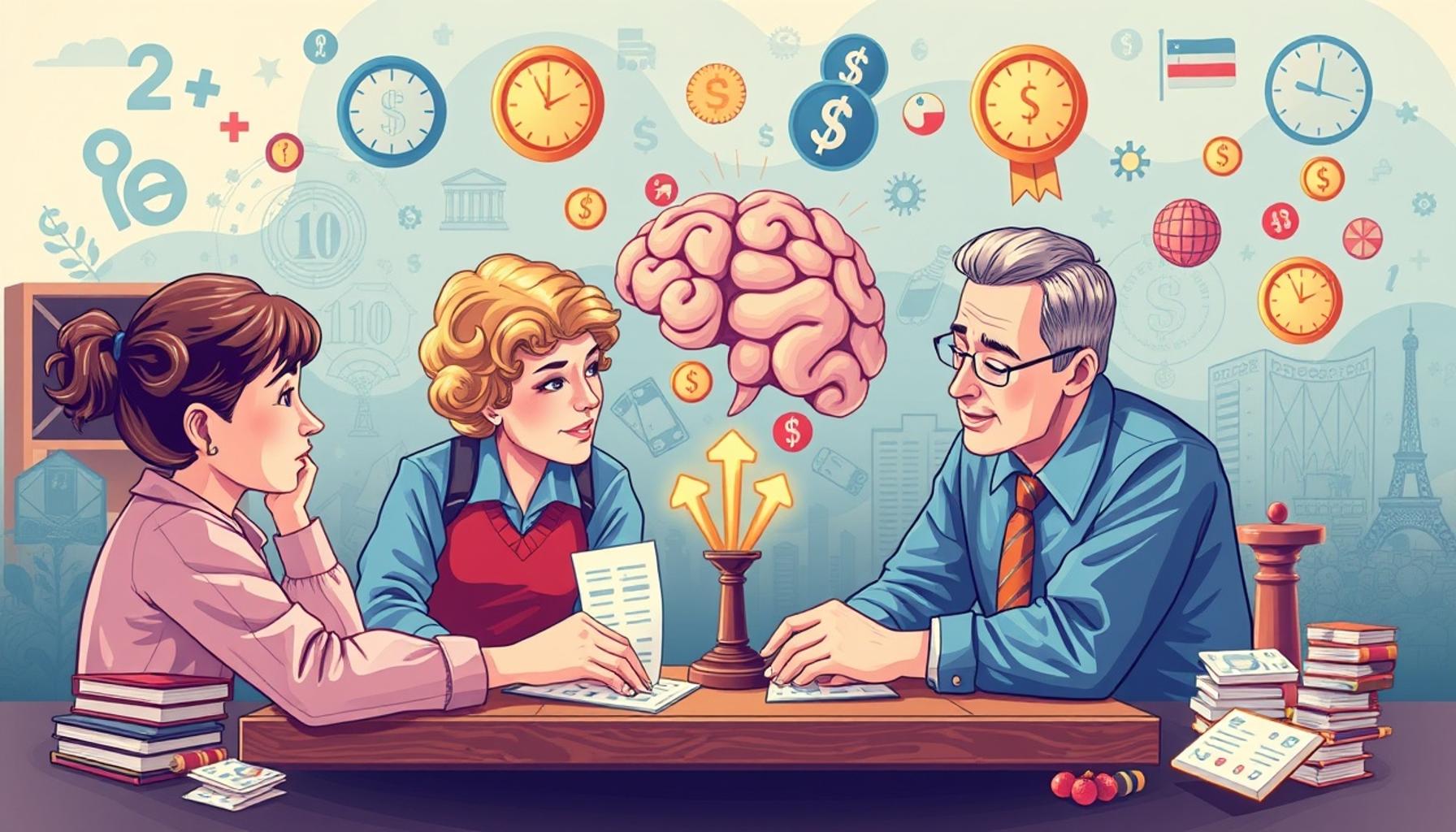
Memory games have long been recognized as an enjoyable pastime, but their impact extends well into the realm of cognitive function. Engaging in memory games can help individuals enhance their cognitive abilities and retain information more effectively. These games uniquely serve as effective tools for fostering cognitive development across all age groups. They stimulate mental engagement, providing vital benefits that improve cognitive skills from early years through the golden years of life.
Memory Games for Different Age Groups
At various life stages, memory games yield distinct advantages that cater specifically to the developmental needs of each demographic:
- Children: For young learners, memory games play a significant role in enhancing focus and attention span, crucial skills for academic success. Games like “Concentration” or “Simon Says” encourage children to think critically while sharpening their recall abilities. Research shows that children who regularly engage in such activities often display improved academic performance and greater enthusiasm for learning.
- Teenagers: As adolescents navigate high school pressures and the complexities of social dynamics, memory games can foster critical thinking and problem-solving skills. Challenges found in games such as “Lumosity” or “Brain Age” help stimulate their brains and push them to think in new, intricate ways. This kind of mental exercise can be pivotal as they prepare for college entrance exams and future academic challenges.
- Adults: For busy professionals, memory games are not just a recreational escape; they also aid in stress reduction and enhance multitasking abilities. Engaging in quick, stimulating memory challenges during breaks can refresh the mind, sharpen focus, and improve overall productivity. Many adults find that incorporating games into their daily routine leads to greater efficiency at work.
- Seniors: For aging individuals, memory games are invaluable for maintaining mental agility and combatting age-related cognitive decline. Studies have indicated that seniors who regularly indulge in memory-focused activities can experience improvements in memory retention and a reduced risk of dementia. Puzzles and applications designed for seniors, such as “Peak” or “Elevate,” offer targeted exercises that help maintain cognitive resilience over time.
The allure of memory games lies in their inherent simplicity and adaptability. From traditional card-matching activities to contemporary digital apps, these games are accessible and can be tailored to suit any age group and preference. Not only are these tools economical and easy to use, but they can also be shared in group settings, encouraging social interaction and collaboration among players.
Moreover, several research studies suggest that integrating memory games into daily routines can lead to lasting improvements in memory retention and overall cognitive function. Such findings shed light on the potential of these games to serve as effective catalysts for learning and personal development, igniting interest among educators and caregivers alike in their expansive benefits.
As we further investigate this subject, it becomes clear that the potential for cognitive enhancement through memory games can pave the way for lifelong learning, making these engaging activities not merely a form of entertainment, but rather a vital component of ongoing intellectual growth. By understanding the depth of their significance, individuals can better appreciate how memory games can seamlessly fit into their daily lives, contributing to their cognitive well-being and enjoyment.
DIVE DEEPER: Click here to discover more
The Science Behind Memory Games and Cognitive Function
Memory games are not merely whimsical diversions; they have profound implications for cognitive function across various stages of life. Each stage of development presents unique challenges and opportunities for enhancing mental capabilities. Engaging in memory games can stimulate brain activity, improve memory retention, and foster essential cognitive skills. As we delve deeper into the science behind these games, it becomes apparent that their benefits are robust and far-reaching.
The Neural Connections and Learning
At the heart of cognitive development lies the brain’s ability to form and strengthen neural connections. Memory games serve as a form of cognitive exercise that can lead to the creation of new synapses and neurons. This is especially vital for children and adolescents, whose brains undergo critical stages of growth. Research suggests that activities promoting cognitive engagement can significantly boost executive functioning skills, which include tasks such as planning, working memory, and attention control.
- Enhanced Neural Plasticity: Memory games encourage neural plasticity—the brain’s capacity to reorganize and adapt itself by forming new neural pathways. This is crucial during formative years as it lays the groundwork for lifelong learning.
- Engagement with Learning: Interactive memory games increase intrinsic motivation for learning. When players experience a sense of achievement, they are more likely to engage deeply with new concepts, linking them to previous knowledge and enhancing retention.
- Social Interaction: Many memory games are designed for multiple players, fostering collaborative learning experiences. This social aspect is essential as it promotes not just cognitive skills but also soft skills like teamwork and communication.
As we consider the impact of memory games on adolescents, it’s important to note that the teenage brain is characterized by heightened sensitivity to reward, combined with rapidly developing cognitive capabilities. Memory games can effectively harness this potential, constantly challenging the brain to adapt and learn. In this context, engaging regularly in such activities can significantly improve academic performance and social adeptness, which are pivotal during these formative years.
Linking Memory Games to Higher Academic Performance
In academic settings, the inclusion of memory games as a tool for learning has garnered attention. Studies indicate that students who engage in memory-based activities often score higher on standardized tests and demonstrate better recall of lecture materials. This relationship underscores the concept that memory games can lead to significant cognitive gains, enabling students to succeed academically and develop a passion for lifelong learning. Educators are increasingly recognizing the value of incorporating these games into the curriculum as a means to create an engaging and dynamic learning environment.
The adaptability of memory games is particularly appealing; they can be easily modified to cater to different subject areas, whether it’s vocabulary building in language arts or math fact drills in mathematics. This versatility ensures that the appeal of memory games transcends disciplinary boundaries, solidifying their role in enhancing cognitive development across age groups.
In summary, memory games are much more than simple pastimes; they are powerful tools for cognitive development that can enrich learning experiences from childhood to senior adulthood. As we explore further, we will uncover how these games function to mitigate cognitive decline in older adults and support mental health throughout the aging process.
The Impact of Memory Games on Different Age Groups
Memory games play a crucial role in enhancing cognitive capacities across all ages. For children, these activities are foundational for developing essential skills such as attention, problem-solving, and visual memory. Engaging in these games can significantly improve concentration and information retention, laying the groundwork for lifelong learning habits. In adults, memory games can serve as excellent cognitive training tools, promoting mental resilience and delaying cognitive decline. Research indicates that older adults who regularly participate in memory challenges tend to experience slower rates of memory deterioration. It’s fascinating to discover how these activities not only postpone the onset of age-related memory issues but can also help maintain overall brain health.For all age groups, the social component of memory games cannot be overlooked. Playing these games in groups enhances interpersonal skills, promotes teamwork, and can even reduce feelings of loneliness. In a world oriented towards digital interactions, engaging in memorable gameplay fosters a sense of community and shared achievement.To explore how these varied benefits manifest in real-world applications, we can examine specific memory games tailored for each age group. These games not only captivate the audience but also promote critical developmental skills needed in cognitive function. Now, let’s delve deeper into the advantages of incorporating memory games into the cognitive development journey through the following informative table.
| Category | Benefits |
|---|---|
| Child Development | Enhances attention span and problem-solving abilities. |
| Adult Engagement | Supports cognitive functions and social interaction. |
| Adolescent Skills | Boosts memory retention and study skills. |
| Senior Benefits | Promotes mental agility and combats dementia. |
Through this exploration, it becomes increasingly evident that memory games are not merely entertainment; they serve as profound educational tools with lasting effects on cognitive health across the lifespan. Each demographic can find tailored games that not only challenge their brains but also encourage growth, creativity, and social bonds.
DISCOVER MORE: Click here to learn about the impact of social interaction on memory recall
Memory Games and Aging: Preserving Cognitive Function
The benefits of memory games extend beyond childhood and adolescence, playing a significant role in cognitive development as we age. As individuals transition into the golden years, cognitive decline can become a real concern, and maintaining mental agility is crucial. Engaging in memory games offers a proactive approach to combating age-related cognitive decline, and research indicates that regular participation in these activities can help preserve and enhance cognitive function.
The Impact of Memory Games on Older Adults
Memory games can serve as effective tools for older adults, engaging both their memory and critical thinking abilities. Numerous studies demonstrate that seniors who regularly participate in memory-enhancing activities exhibit better cognitive health and demonstrate significant improvements in areas such as working memory, attention span, and problem-solving skills. The stimulation provided through these games strengthens existing neural connections and promotes brain health.
- Combatting Cognitive Decline: Engaging in memory games can lessen the risk of neurodegenerative diseases, such as Alzheimer’s and other forms of dementia. Research published in the journal “Alzheimer’s & Dementia” indicates that cognitive training, including memory exercises, can lead to a slower decline in mental faculties.
- Social Engagement: Many memory games encourage social interaction, which is vital for mental health as we age. Whether played in a group setting or with family members, these games promote communication and connection, reducing feelings of loneliness and isolation.
- Flexibility and Adaptability: One of the appealing aspects of memory games is their adaptability to suit individual preferences and cognitive levels. Older adults can choose games that are challenging yet manageable, allowing for personalized cognitive development tailored to their unique needs.
In addition to these cognitive benefits, memory games have proven effective in boosting self-esteem and overall emotional well-being among seniors. The sense of accomplishment derived from successfully recalling information or completing challenges can significantly enhance confidence and encourage further engagement in mentally stimulating activities.
Real-World Applications of Memory Games Across Ages
Memory games are not confined to clinical or academic settings; they permeate everyday life, making them feasible learning tools for people of all ages. For children, mobile apps and interactive online platforms offer engaging memory challenges, blending education and fun while accommodating varying learning preferences. Educational institutions often integrate these modalities into their curricula, aligning with the growing emphasis on gamified learning.
For adults, specially designed memory training programs, workshops, and online courses focus on enhancing cognitive skills and preventing decline. One notable example is the use of mobile applications specifically designed to enhance memory in seniors, such as “Lumosity” and “Peak,” which offer tailored exercises aimed at various cognitive functions.
Memory games also find a foothold in therapeutic contexts. Occupational therapists frequently utilize these games as a form of cognitive rehabilitation for individuals recovering from strokes or traumatic brain injuries, emphasizing practical strategies for enhancing memory and cognitive function.
As we continue to understand the intricate links between memory games and cognitive development, it becomes clear that these tools are invaluable across the lifespan. From childhood learning to maintaining cognitive health in later years, memory games serve as a bridge in cognitive engagement, ensuring that individuals remain mentally sharp and resilient in an ever-evolving world.
DISCOVER MORE: Click here to dive deeper
Conclusion: The Lasting Impact of Memory Games on Cognitive Development
In the pursuit of understanding cognitive development, memory games emerge as transformative tools that bridge generational gaps. From nurturing young minds in their formative years to bolstering cognitive resilience in senior adults, these games play a vital role across all stages of life. Their ability to enhance crucial cognitive skills such as working memory, attention, and problem-solving cannot be understated. As evidenced by numerous studies, incorporating memory games into daily routines can lead to positive outcomes, including a reduced risk of cognitive decline in older populations and improved academic performance in children.
The adaptability of memory games, combined with their engaging nature, not only stimulates intellect but also fosters social connections, an essential component for mental well-being, especially among older adults. By promoting interaction and collaboration, these games position themselves as valuable tools for community building and emotional support, countering the isolation often faced among seniors.
As technology advances, the integration of memory games into digital platforms opens new avenues for interactive learning and cognitive enhancement across various age groups. Whether through mobile applications or community workshops, individuals can easily access these resources to strengthen their mental faculties.
Ultimately, the role of memory games in cognitive development holds immense promise. By prioritizing these engaging platforms, we can cultivate a society that values continuous mental growth, fostering not only educated individuals but emotionally resilient and socially connected communities. As we move forward, focusing on the unique cognitive needs of each age group may lead us to a brighter, mentally sharper future.
Related posts:
Integrating Mind Games into Daily Routines: A Practical Guide for Memory Enhancement
How Visual Puzzles Enhance Spatial Memory and Cognitive Function
The Impact of Digital Mind Games on Memory Enhancement in Adults
Puzzles as Tools for Memory Retention: Strategies and Techniques
Cultural Variations in Puzzle Preferences and Their Impact on Memory Skills
The Effect of Competitive Mind Games on Memory Improvement Among Seniors

Linda Carter is a writer and puzzle expert specializing in mind games, brain teasers, and cognitive challenges. With extensive experience helping individuals enhance their problem-solving skills and think critically, Linda shares her knowledge on our platform. Her goal is to empower readers with practical advice, engaging puzzles, and strategies to sharpen their minds and achieve success in the captivating world of mind games and puzzles.