
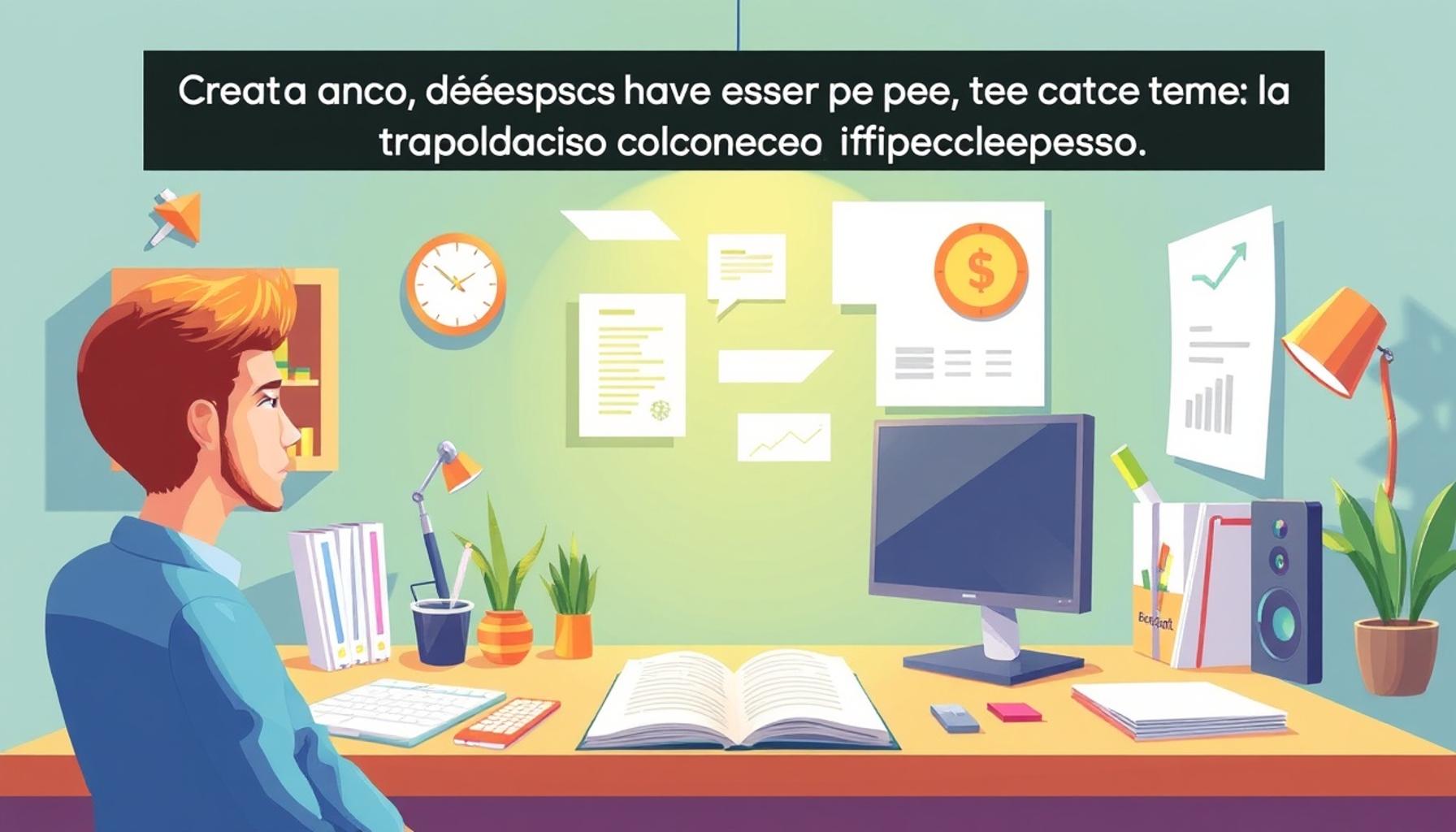
The Importance of Workspace Design
The connection between workspace design and personal efficiency cannot be overstated. As the modern world shifts toward more dynamic work environments, it is crucial to recognize how the physical attributes of a workspace influence our ability to perform. The atmosphere of a workplace is not merely a backdrop; it acts as a crucial factor in shaping employee experiences and productivity outcomes.
Influential Aspects of Workspace Design
Consider the various elements that contribute to an effective workspace:
- Lighting: Exposure to natural light has been shown to significantly enhance mood and energy levels. For example, companies like Google and Apple have incorporated large windows and skylights in their offices, allowing for maximum daylight exposure, which not only brightens the space but also helps regulate circadian rhythms. In contrast, poorly lit environments can lead to fatigue and decreased motivation.
- Ergonomics: Investing in ergonomic furniture is critical for fostering comfort. Office chairs that provide proper lumbar support and desks that allow for adjustable heights help to prevent physical strain. Research indicates that employees who use ergonomic furniture report lower levels of discomfort and are able to focus for longer periods without fatigue, translating into higher productivity rates.
- Layout: The arrangement of work areas can greatly influence collaboration and focus. Open-plan offices may enhance teamwork and communication, but many employees also require quiet zones to concentrate deeply on tasks. Companies are now integrating “fun zones” for informal meetings alongside private workspaces, which can satisfy diverse working styles.
The Benefits of Optimized Workspace Design
The advantages of thoughtfully designed work environments extend beyond mere comfort. Studies demonstrate that:
- Increased Productivity: Workspaces that consider psychological and physical factors are linked to an increase in productivity. According to a study from the University of Exeter, employees in well-designed offices can be up to 32% more productive compared to those in less ergonomic setups.
- Improved Satisfaction: A carefully curated workspace contributes to higher job satisfaction. Businesses that prioritize aesthetic and functional elements find that employee engagement tends to rise significantly, with happier employees often resulting in better retention rates.
- Enhanced Creativity: Innovative workspace designs can act as a catalyst for creative thought. For instance, spaces that incorporate vibrant colors, art installations, and unique architectural elements can stimulate inspiration. Many tech startups have adopted themes or moods that encourage creativity and collaboration, signaling a shift in workplace culture.
As more companies recognize the intricate relationship between workspace design and employee well-being, they are making informed investments into their environments. It’s clear that achieving a balance of aesthetics and functionality can transform workplaces into hubs of innovation and productivity.
By exploring these design elements, organizations can create environments that not only meet the practical needs of their workforce but also draw out their fullest potential. Ultimately, the key to crafting successful workplaces lies in understanding the profound impact of design on efficiency, motivation, and success.
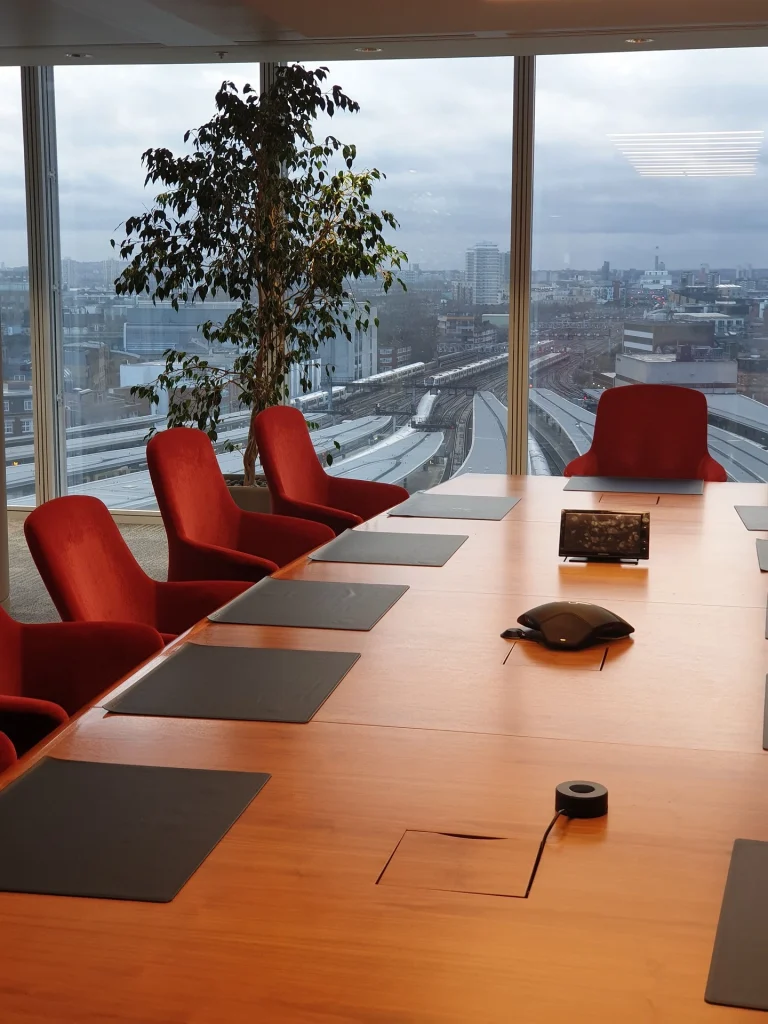
DIVE DEEPER: Click here to uncover more insights
Creating Spaces That Inspire Action
When it comes to the interplay between workspace design and personal efficiency, the details often make the most significant impacts. While elements like lighting and ergonomics are crucial, the psychological nuances of workspace design can either foster motivation or create barriers to productivity. Understanding how various aspects contribute to a productive atmosphere can empower employers and employees alike to rethink their environments.
Color Psychology and Its Impact
The colors that fill a workspace can evoke specific feelings and behaviors. For instance, vibrant hues such as yellow and green are associated with creativity and energy, while soft blues and greys tend to promote calmness and focus. Studies have shown that color choices can influence mood and productivity—warmer tones may enhance enthusiasm and engagement, while cooler tones can provide a serene backdrop for concentration. Research from the Institute for Color Research indicates that people make a subconscious judgment about a person, environment, or product within 90 seconds, primarily influenced by color. Thus, incorporating carefully selected color schemes can be an effective tool for improving efficiency in the workplace.
The Role of Personalization
Allowing employees to personalize their workspace can lead to greater ownership and pride in their environment. When workers can infuse their personalities through photos, plants, or personal gadgets, it creates a sense of belonging and comfort. A survey from the Society for Human Resource Management highlighted that workplaces promoting personalization see increased employee satisfaction. This sense of ownership leads to heightened motivation and overall productivity. Personal touches not only reflect individuality but also contribute to a collective, positive atmosphere that can thrive in shared environments.
Impact of Technology on Workspace Design
In today’s digital age, the integration of technology into workspace design plays a pivotal role in enhancing efficiency. From intuitive smart lighting systems that adjust based on the time of day to desk booking apps for flexible working arrangements, these technological innovations can significantly boost workplace functionality. Research from the International Facility Management Association suggests that companies embracing technology see a marked improvement in collaboration and workflow efficiency. Bluetooth-enabled devices and virtual collaboration tools remove barriers to communication and allow teams to work fluidly, regardless of location.
Quiet Spaces vs. Collaborative Areas
The balance between quiet spaces and collaborative areas is essential for fostering a productive environment. Open-plan offices encourage team interactions, enhancing creativity and idea-sharing. However, according to a report published by Harvard Business Review, employees often need quiet zones for deep work and concentration. Companies that offer a mix of collaborative spaces alongside private work areas cater to diverse work styles, allowing individuals to thrive in environments that align with their preferences. By facilitating both teamwork and focused work, companies can harness the full potential of their workforce.
Ultimately, the design and layout of a workspace should not be an afterthought but rather a strategic element that prioritizes employee efficiency and well-being. As we further explore the intricate connections between these design elements, it becomes evident that intentional workspace design is a powerful tool for driving individual and organizational success.
| Category | Details |
|---|---|
| Ergonomic Design | A well-designed workspace can reduce physical strain, leading to improved comfort and productivity. |
| Natural Lighting | Incorporating natural light enhances mood and energy levels, thus boosting efficiency in tasks. |
| Open Layouts | Open spaces promote collaboration and communication among team members, fostering creativity and innovation. |
| Personalized Spaces | Personalizing workspace elements allows individuals to feel more engaged and connected, which can enhance their focus. |
In terms of psychological implications, workspace design significantly impacts mental health and overall satisfaction. Research indicates that spaces that align with a worker’s preferences can alleviate stress, leading to a more enjoyable work environment. Moreover, the integration of green spaces, like plants or outdoor views, can significantly improve cognitive function and decrease fatigue. It is also intriguing to note how acoustic considerations in workspace design can minimize distractions, allowing employees to concentrate better. For companies looking to maximize employee performance, investing in thoughtful workspace design is increasingly becoming a top priority. The growing recognition of workspace’s impact on personal efficiency presents an opportunity for businesses to reassess their environments as a foundational aspect of operational effectiveness.
DISCOVER MORE: Click here for additional insights
Encouraging Wellness Through Design
As the focus on workplace wellness gains momentum, organizations are increasingly recognizing the profound influence that workspace design has on physical and mental health. By creating environments that promote well-being, companies not only boost employee morale but also enhance overall productivity. The integration of wellness-oriented features in workspace design can significantly contribute to personal efficiency and, consequently, organizational success.
Incorporating Natural Elements
Biophilic design—which emphasizes the human desire to connect with nature—has been shown to enhance workplace satisfaction and efficiency. According to studies by Human Spaces, employees who work in environments rich in natural elements, such as plants, daylight, and organic materials, report a 15% increase in creativity and productivity. Incorporating greenery in office spaces, whether through potted plants, living walls, or nearby nature views, can positively affect mood and reduce stress levels. Furthermore, access to natural light not only helps in regulating circadian rhythms but also minimizes fatigue, thus enabling employees to perform at their best.
Flexible Workspace Options
Flexibility in the design of workspaces is becoming a critical aspect of employee efficiency. Movable furniture and modular layouts allow for a dynamic work environment that adapts to various tasks, from collaborative brainstorming sessions to solitary deep work. The concept of the agile workplace emphasizes providing employees with options to choose areas that suit their current work needs. A report by Steelcase found that organizations that embraced flexible workspaces observed a 20-30% increase in employee productivity, as teams became more engaged and motivated. Moreover, accommodating different work styles fosters a culture of trust and empowerment among employees.
Acoustic Comfort for Enhanced Focus
Noise pollution in the workplace can be a significant distraction and hinder productivity. Studies indicate that an uncomfortable acoustic environment can reduce employee performance by as much as 66%. To combat this, thoughtful workspace design should incorporate sound-absorbing materials, designated quiet zones, and the strategic placement of collaborative areas. Employers may also consider incorporating noise-canceling technologies to minimize distractions. Companies that prioritize acoustic comfort not only create a more pleasant atmosphere but also enable employees to focus deeply on their tasks, ultimately leading to improved efficiency.
Workstation Ergonomics
Ergonomics play a vital role in workspace design and have a direct correlation with employee comfort and productivity. Providing adjustable desks, ergonomically designed chairs, and proper screen placement can significantly reduce the risk of musculoskeletal disorders and workplace injuries. The Occupational Safety and Health Administration (OSHA) has emphasized that an investment in ergonomic workspace design can lead to reduced employee absenteeism, higher job satisfaction, and a more engaged workforce. As employees experience fewer discomforts, they remain more concentrated and productive throughout their workday.
The intentional incorporation of these design elements speaks volumes about an organization’s commitment to its workforce. Understanding the psychology behind workspace layout and the physical impacts of space can influence personal efficiency and pave the way for remarkable organizational achievements.
DISCOVER MORE: Click here to dive deeper
Unlocking Potential Through Thoughtful Workspace Design
In conclusion, the relationship between workspace design and personal efficiency is undeniable and multifaceted. As organizations strive to cater to the well-being of their employees, it becomes increasingly clear that a well-designed space can act as a catalyst for productivity and engagement. By prioritizing elements such as natural light, flexible layouts, acoustic comfort, and ergonomics, companies can create environments that not only enhance individual focus and creativity but also foster collaboration and connection among team members.
This alignment of design with employee needs leads to a positive feedback loop, where a happier workforce translates to increased retention and better overall performance. As reported by various studies, investing in these design principles can yield a significant return—improving productivity by up to 30% and fostering a culture of innovation and adaptability.
Moreover, as remote work becomes more prevalent, understanding the nuances of workspace environments has never been more critical. Whether in a traditional office setting or a home workspace, thoughtful design is essential to support diverse working styles and preferences. Organizations that recognize and implement these principles not only optimize personal efficiency but also set the stage for long-term success in a constantly evolving landscape.
As we advance into a new era of work, the question remains not just how, but why workspace design matters. It holds the key to unlocking potential, maximizing productivity, and ultimately shaping the future of work. For those keen to explore further, delving into case studies and emerging trends in workplace design can provide invaluable insights and actionable strategies for driving personal efficiency in their own organizational contexts.
Related posts:
Digital Tools to Boost Personal Productivity
How Automating Repetitive Tasks Can Increase Your Daily Efficiency
Mindfulness Techniques to Improve Concentration and Efficiency at Work
Efficient Delegation Strategies to Increase Team Productivity
The Role of Mental Health in Increasing Personal Efficiency and Productivity
Increasing Efficiency with Agile Methodologies in Time Management

Beatriz Johnson is a seasoned productivity strategist and writer with a passion for simplifying the complexities of time management and personal organization. With over a decade of experience in efficiency optimization, she specializes in topics like workflow design, habit formation, and productivity systems for modern professionals. Through her work, Beatriz empowers readers to take control of their schedules, eliminate overwhelm, and stay ahead in today’s fast-paced world.