

Understanding Effective Task Management Techniques
In our fast-paced, modern world, it often feels like the demands of work and life can spiral out of control. Effective management of daily tasks is crucial to avoid a sense of overwhelm. By utilizing structured classification methods, you can bring clarity and direction to your responsibilities, ultimately helping you achieve your goals more efficiently.
Among the myriad strategies available, several stand out for their remarkable effectiveness:
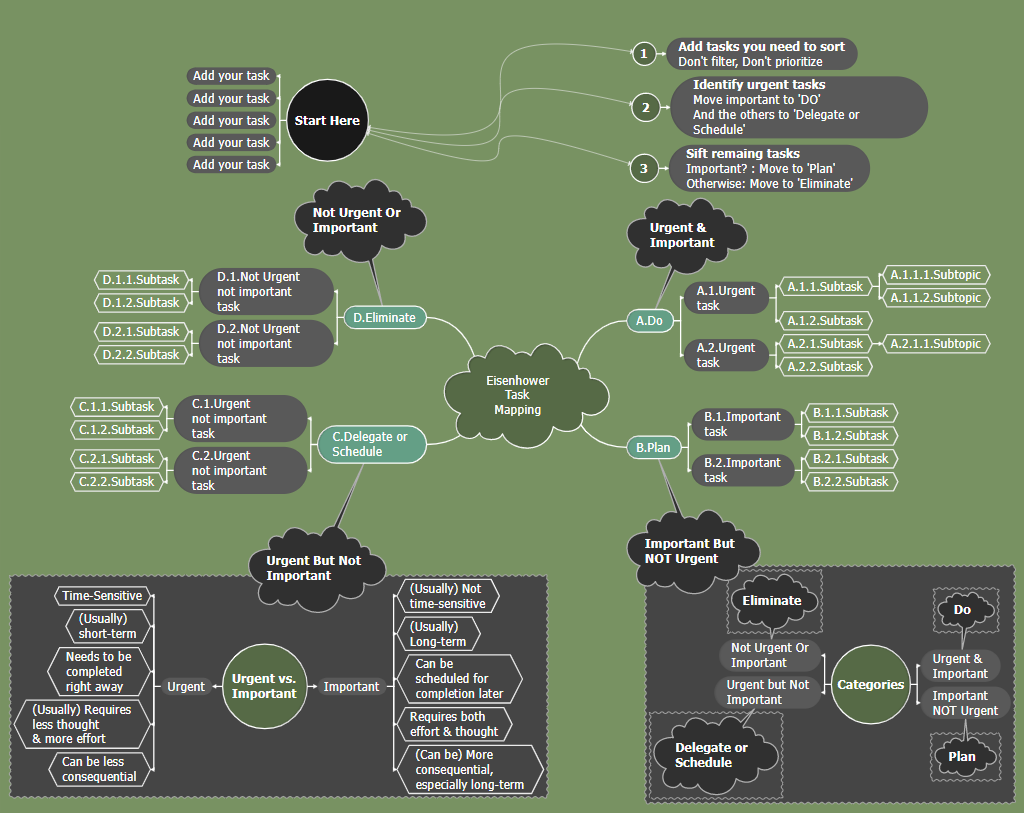
- Eisenhower Method: This technique, named after former U.S. President Dwight D. Eisenhower, emphasizes prioritizing tasks based on their urgency and importance. The method suggests dividing tasks into four distinct quadrants:
- Quadrant I: Urgent and Important (tasks to do immediately)
- Quadrant II: Not Urgent but Important (tasks to schedule for later)
- Quadrant III: Urgent but Not Important (tasks to delegate)
- Quadrant IV: Not Urgent and Not Important (tasks to eliminate)
This clear visual aids in decision-making and ensures that critical tasks get the attention they deserve while minimizing distractions.
- Priority Matrix: This tool provides a visual representation of your tasks. By plotting tasks on a grid according to their urgency and importance, you can quickly identify which require immediate action. For example, if you’re in a tight deadline for a project, it becomes visually apparent that it should take precedence over less pressing matters. This method is particularly useful in team environments, improving collaboration and productivity.
- ABC Method: This categorization technique simplifies task management by breaking tasks into three groups based on their priority. “A” tasks are high priority, “B” tasks are medium priority, and “C” tasks are low priority. For instance, completing a report for a major client might be classified as “A”, while organizing your workspace could be a “C”. This method encourages you to focus on what truly drives results and long-term success.
These diverse methods cater to individual needs and working styles, allowing for a personalized approach that can enhance productivity. By adopting these techniques, individuals can more effectively navigate their to-do lists and direct their attention towards outcomes that have the most significant impacts.
In the United States, where the pace of life is often frenetic, the importance of effective task classification cannot be overstated. The clarity and focus provided by these methods not only boost productivity but also contribute to improved mental well-being. By managing your tasks thoughtfully, you cultivate a sense of achievement and calm, vital in today’s hectic environment.
Consider exploring the transformative power of task classification methods. Engaging with these strategies can unlock your potential, significantly enhancing your efficiency and helping you maintain a balanced lifestyle.
EXPLORE MORE: Click here to dive deeper
Maximizing Productivity through Task Classification
Task classification is not just about jotting down reminders or making lists; it’s a powerful strategy that can streamline workflows and enhance productivity. Understanding how to effectively categorize tasks is integral to mastering time management. The methods available, including the Eisenhower Method, Priority Matrix, and ABC Method, serve as essential tools for distinguishing between priority levels, ensuring that the most crucial tasks are addressed promptly.
The Eisenhower Method, one of the most renowned frameworks for task management, encourages individuals to assess their workload through the lens of urgency and importance. This approach rests on the premise that not all tasks are created equal. For instance, a looming project deadline demanding immediate attention clearly falls into Quadrant I—Urgent and Important—while planning for next month’s conference would best fit into Quadrant II—Not Urgent but Important. By systematically categorizing tasks, you not only prioritize effectively but also cultivate a more strategic mindset towards your goal-setting practices.
On the other hand, the Priority Matrix adopts a visual perspective, plotting tasks on a grid that allows for the immediate identification of tasks based on their urgency and importance. This intuitive format enables individuals and teams to quickly align on what needs immediate action versus what can wait. For example, in a busy office setting, presenting a quarterly report may rank as high priority, while sending an email reminder could be classified as low priority and addressed later. This method can enhance communication within teams, leading to higher overall efficiency.
The ABC Method simplifies task rankings further by categorizing tasks into three clear groups. Tasks labeled “A” are high-priority items that demand immediate focus, such as closing a deal with a major client. “B” tasks may involve ongoing projects or collaborative efforts, which are important but not immediate. Finally, “C” tasks are those that contribute to personal or team development but can be postponed, like attending a workshop or organizing files. By using this tiered system, individuals can ensure that their primary efforts are directed toward the most impactful activities.
For anyone looking to implement these methodologies, consider the following practical steps:
- Assess your daily tasks and identify which method resonates best with your workflow.
- Begin categorizing your current to-do list using one of the outlined systems.
- Regularly review and adjust your classifications to align with changing priorities.
- Engage colleagues in discussions about task classifications to foster a collaborative approach.
As you start employing these effective task classification methods, remember that the ultimate aim is to cultivate a sense of order amidst life’s complexities. With enhanced clarity, focus, and productivity, you’ll be equipped to tackle your responsibilities head-on while maintaining a balanced approach to work and life. Dive into these strategies, and experience the transformative effects of organized task management.
| Method | Advantages |
|---|---|
| Eisenhower Method | Helps to prioritize tasks based on urgency and importance, minimizing overwhelm. |
| Priority Matrix | Facilitates visual organization of tasks, ensuring that focus remains on high-value activities. |
Delving deeper into the Effective Task Classification Methods, the Eisenhower Method stands out for its practicality in daily task management. This method encourages individuals to categorize tasks into four quadrants, enabling a clear distinction between urgent and important tasks. As a result, individuals can tackle tasks that yield the highest return on investment of time and energy, sidestepping the traps of procrastination and burnout.On the other hand, the Priority Matrix provides an impactful visual aid for goal setting and is especially beneficial for teams. By creating a vivid map of tasks, it allows teams to align their efforts towards common objectives, fostering collaboration and productivity. In contemporary workplaces, where distractions are plentiful, methods like the Priority Matrix engage individuals in a more structured approach to manage priorities effectively. This not only boosts productivity but also enhances work satisfaction and reduces stress.Exploring the benefits of these powerful methods can transform how tasks are approached, leading to increased efficiency and productivity.
DISCOVER MORE: Click here to learn more
Exploring Additional Effective Task Classification Methods
Building on the importance of the Eisenhower Method, Priority Matrix, and ABC Method, it’s essential to recognize that there are several other effective task classification methodologies that cater to different working styles and environments. Organizations and individuals alike can benefit from integrating these approaches into their task management arsenal.
One notable method is the Pareto Principle, commonly known as the 80/20 rule. This principle posits that 80% of results typically come from 20% of efforts. By identifying the crucial 20% of tasks that yield the most significant outcomes, professionals can prioritize their workload accordingly. For instance, in a sales environment, focusing on the top customers who generate the highest revenue can lead to more efficient use of time compared to addressing less impactful queries. Recognizing that not every task is equally valuable encourages a culture of efficiency, leading individuals to hone in on what truly matters.
Another approach gaining traction is the Kanban Method, which visualizes workflow and progress through boards and cards. Originating from Japanese manufacturing practices, this method promotes a clear representation of tasks in different stages—typically categorized as “To Do,” “In Progress,” and “Done.” Kanban lends itself particularly well to collaborative environments, as it allows teams to see workload distribution at a glance and adjust priorities in real-time. Utilizing tools like Trello or Asana can facilitate the Kanban approach, making it easier to manage tasks within a team setting and identify bottlenecks swiftly.
The Pomodoro Technique is another noteworthy method that emphasizes time management alongside task classification. By breaking work into intervals, traditionally 25 minutes in length, followed by short breaks, this technique not only boosts focus but also incorporates a natural rhythm that prevents burnout. After each Pomodoro session, individuals classify their tasks based on what was completed, leading to better awareness of one’s own productivity patterns. This method is particularly effective for those overwhelmed by lengthy to-do lists, as it compels individuals to concentrate on small, manageable chunks of work, ultimately making task classification more approachable.
Moreover, the D.I.C.E. Method (Duration, Importance, Complexity, and Effort) provides a holistic view of task prioritization. This multi-faceted approach encourages individuals to assess tasks on four dimensions—how long they will take, their overall importance, the complexity involved, and the effort required. This thorough classification not only enhances decision-making but also leads to better resource allocation in projects. By analyzing each task through these lenses, professionals can make informed choices about what to tackle first, ensuring that the most strategically valuable work receives adequate attention.
While each of these methods offers unique perspectives on task classification, their effectiveness ultimately depends on the context in which they are applied. It’s essential to experiment with them and find the right blend that resonates with your personal or organizational workflow. As we navigate the complexities of modern demands, embracing diverse strategies can provide the clarity required to maintain focus and achieve goals.
As you explore these methodologies, remember that the evolution of your task classification system is an ongoing journey. Regularly reflect on your productivity and adapt your methods as needed to foster an environment of continual improvement and effectiveness.
DISCOVER MORE: Click here for additional insights
Conclusion: Embracing Task Classification for Maximum Productivity
In an era where demands on our time seem to multiply exponentially, mastering effective task classification methods is no longer a luxury but a necessity. From the time-tested Eisenhower Method to the collaborative advantages of the Kanban Method and the precise focus offered by the Pareto Principle, these frameworks empower individuals and teams to strategically navigate their workloads. Each method brings a unique lens through which tasks can be prioritized, allowing users to discern what truly deserves their attention.
The value of diligent task classification extends beyond mere organization; it translates into enhanced productivity and a sense of achievement. Techniques such as the Pomodoro Technique not only help break down overwhelming projects but also foster sustainable work habits. Meanwhile, the D.I.C.E. Method provides a comprehensive approach to evaluating tasks based on crucial parameters, ensuring that time and resources are allocated effectively.
Ultimately, the journey of crafting an effective task classification system is personalized and adaptive. As productivity philosophies evolve, professionals are encouraged to experiment with various techniques to discover the combinations that best suit their roles and responsibilities. Continuous reflection and adaptation are essential to cultivate an environment of improvement, enabling a smoother path towards reaching personal and organizational goals. By integrating these methods into daily routines, individuals can reclaim control over their time, allowing for a clearer focus on what truly matters.
Related posts:
How Technology Can Help in Prioritizing Daily Tasks
The Psychology Behind Prioritization: Understanding Human Behavior in Relation to Tasks
Impact of Task Prioritization on Stress Reduction and Increased Personal Satisfaction
How to Create a Task Prioritization System that Works for You
Task Prioritization Strategies for Remote Workers
The Art of Saying No: How to Prioritize Important Tasks in a World Full of Distractions

Beatriz Johnson is a seasoned productivity strategist and writer with a passion for simplifying the complexities of time management and personal organization. With over a decade of experience in efficiency optimization, she specializes in topics like workflow design, habit formation, and productivity systems for modern professionals. Through her work, Beatriz empowers readers to take control of their schedules, eliminate overwhelm, and stay ahead in today’s fast-paced world.