The Role of Storytelling in Puzzles and Its Impact on Memory Retention
The Intriguing Intersection of Storytelling and Puzzle Solving
In our fast-paced digital age, the nuances of storytelling continue to captivate audiences, and their significance in puzzles cannot be overstated. Storytelling enriches the puzzle experience in various ways, providing both context and a narrative framework that enhances engagement and increases memory retention.
One of the most impactful aspects of this relationship is the contextual narrative. Puzzles that come with a well-crafted backstory resonate more deeply with solvers. For example, escape room puzzles often incorporate intricate narratives that require participants to solve clues related to a character’s journey or escape from a fictional predicament. This context not only adds depth to the experience but also propels the players’ motivation, triggering their investigative instincts and making the problem-solving journey more rewarding.
Emotional engagement is another vital factor where storytelling plays a crucial role. A gripping narrative can spark curiosity and maintain players’ interest. Take mystery novels, for instance; the puzzles hidden within the plot serve not just as tests of logic but as catalysts for enhancing the overall emotional arc of the story. In this context, players become invested in the characters and are motivated to piece together the puzzles to uncover the ultimate truth. Some classic board games, such as “Clue,” embody this approach by intertwining narratives with gameplay, creating suspense that elevates the puzzle-solving experience.
Furthermore, storytelling significantly impacts enhanced recall. Research indicates that narratives help improve memory retention by connecting facts and information to relatable experiences. For example, in educational settings, teachers often incorporate storytelling into lessons to help students remember complex information. Studies suggest that learners can memorize material up to 30% longer when it’s tied to a story as opposed to standard rote learning methods. This correlation underscores the importance of narrative framing in puzzles, particularly in educational tools that aim to make learning engaging and effective.
As we explore the fascinating dynamics of storytelling within puzzles, we can uncover valuable insights not only about cognitive function but also about how engaging narratives can enhance our ability to solve complex problems. This intricate dance between narrative and logic not only fuels our imagination but also sharpens our minds, revealing that the journey through puzzle-solving is as captivating as the outcome. By understanding the intricate weave of stories and puzzles, we empower ourselves to become not just solvers, but storytellers in our own right—creating a richer tapestry of experiences in both play and learning.
DIVE DEEPER: Click here to uncover more insights
Unpacking the Power of Narrative in Puzzle Mechanics
At the heart of puzzles lies an intriguing element that extends beyond logic and reasoning: the role of storytelling. This synergy between narrative and puzzles creates a robust platform for enhancing memory retention—a crucial aspect that becomes particularly relevant in educational contexts and recreational challenges alike. When puzzles incorporate a narrative framework, they not only become more engaging but also significantly aid in our ability to remember the underlying solutions.
To delve deeper into how storytelling influences puzzle solving, it is essential to explore its impact on contextual engagement and emotional connection. When participants are presented with puzzles in a story-laden environment, they often find themselves more invested in the task at hand. Consider the multifaceted nature of a mystery puzzle set in a haunted mansion. Participants are not merely following clues but are also immersed in a tale of suspense, excitement, and intrigue, making each solved riddle feel like a step closer to unveiling the truth behind a ghostly legend. This immersive context not only cultivates interest but also enhances the memory of both the narrative and the clues themselves.
Moreover, a well-crafted storyline can trigger specific cognitive pathways that enhance memory retention. Cognitive science suggests that when individuals encode information within a narrative, they are more likely to recall that information later. As an illustration, studies show that participants can retain factual information more effectively when it is intertwined with a compelling story rather than presented in a list format. In the case of storytelling within puzzles, the amalgamation of various clues and their narratives constructs a mental framework that is easier to navigate and remember.
In addition to context and emotional ties, the structure of storytelling itself can lead to improved recall. Here are several key elements that illustrate how effective narratives support puzzle-solving memory:
- Character Development: Engaging characters provide identifiable touchpoints for solvers, enhancing their emotional connection and eagerness to see the story through.
- Plot Progression: A clear progression in the storyline creates a logical flow that mirrors the logical steps required in puzzle-solving, supporting cognitive recognition.
- Conflict and Resolution: Introducing challenges within the narrative mirrors the obstacles in puzzles, allowing solvers to draw parallels between characters’ journeys and their own problem-solving processes.
- Visual Imagery: Stories often conjure vivid imagery that aids memory retention, providing mental “signposts” that help solvers navigate through various clues.
These elements not only captivate audiences but create a fabric woven with memorable experiences, enhancing the overall puzzle experience. The narrative method thus metamorphoses puzzles into engaging quests where participants find joy not merely in arriving at solutions, but in experiencing the overarching story that unfolds with each piece they fit together.
The Benefits of Storytelling in Puzzles
Incorporating storytelling into puzzles enhances the experience, creating a more immersive environment that captivates players’ attention. When participants engage with narratives, they are not merely solving problems; they are also following a plot, fostering emotional connections with the characters and situations involved. This connection, in turn, plays a crucial role in memory retention.When players relate to a story, the context provides anchors for the information being processed. According to research, emotional engagement significantly boosts the ability to remember details. As participants navigate through challenging tasks, they recall past puzzle experiences related to similar storylines, improving problem-solving abilities. Moreover, storytelling introduces complexity and layers of meaning, which encourages deeper cognitive processing. Puzzles interwoven with narratives often require players to think critically, deducing solutions while drawing connections to the storyline. This heightened level of engagement stimulates brain activity, reinforcing memory pathways.Another notable advantage is the social aspect of storytelling in puzzles. Collaborative puzzle-solving encourages discussion and group dynamics, which can further enhance memory through shared experiences. As players talk through the narrative, they engage in active learning, reinforcing insights gathered through conversation. In summary, storytelling not only transforms puzzles into more enjoyable and engaging activities but also optimizes memory retention by creating emotional connections, fostering deeper cognitive processing, and enhancing social interaction among players.
| Advantages | Impact on Memory Retention |
|---|---|
| Enhanced Emotional Engagement | Stimulates memory retention through emotional connections. |
| Improved Cognitive Processing | Encourages critical thinking and complex reasoning. |
| Social Interaction | Promotes collaborative learning that reinforces memory. |
DIVE DEEPER: Click here to discover more
The Psychological Underpinnings of Narrative in Puzzle Solving
The significance of storytelling within puzzles extends beyond just immediate engagement; it taps into profound psychological mechanisms that facilitate memory retention. The use of narrative is not merely an enhancement; it proves essential in harnessing our brain’s natural inclinations toward storytelling. Cognitive psychologists have long understood that human beings are wired to communicate and understand information through stories. As such, stories function as natural mnemonic devices, creating intricate associations that significantly enhance the memorability of information. In the realm of puzzles, these associations not only drive engagement but are also instrumental in reinforcing the pathways essential for recall.
One compelling psychological effect at play is termed the Gestalt Effect, which posits that humans tend to perceive entire systems rather than individual components. When participants solve a puzzle with an integrated narrative, they are encouraged to view the puzzle as a whole rather than isolating its individual elements. For example, in a detective-themed puzzle where each clue advances the plot, solvers are likely to pull together the foundational elements—including background, characters, and events—creating a broader understanding that aids memory consolidation. This cohesive effect becomes especially powerful in more complex puzzles where a dispersed clue set can otherwise lead to confusion.
Furthermore, the integration of narrative into puzzle-solving can introduce what researchers refer to as emotional arousal, wherein stories elicit strong emotional responses that can bolster memory. Psychologically, people tend to remember emotionally charged experiences better than neutral ones. Studies have demonstrated that when narratives invoke emotions—whether it be joy, fear, or surprise—they create lasting impressions, thereby improving retention by making the experience more memorable. Puzzles steeped in emotional narratives compel participants to invest personally, which leads to a stronger commitment to remembering the details involved.
The employment of thematic consistency across puzzles also plays a crucial role in enhancing memory. When participants encounter a sequence of puzzles unified by central themes or characters, their previous experiences with the storyline enhance their understanding and retention of subsequent clues. For instance, a series of escape room puzzles, all tied to a grand overarching narrative about an ancient treasure hunt, will not only motivate players through continuous engagement but also aid in recalling specific solutions that resonate with the established themes.
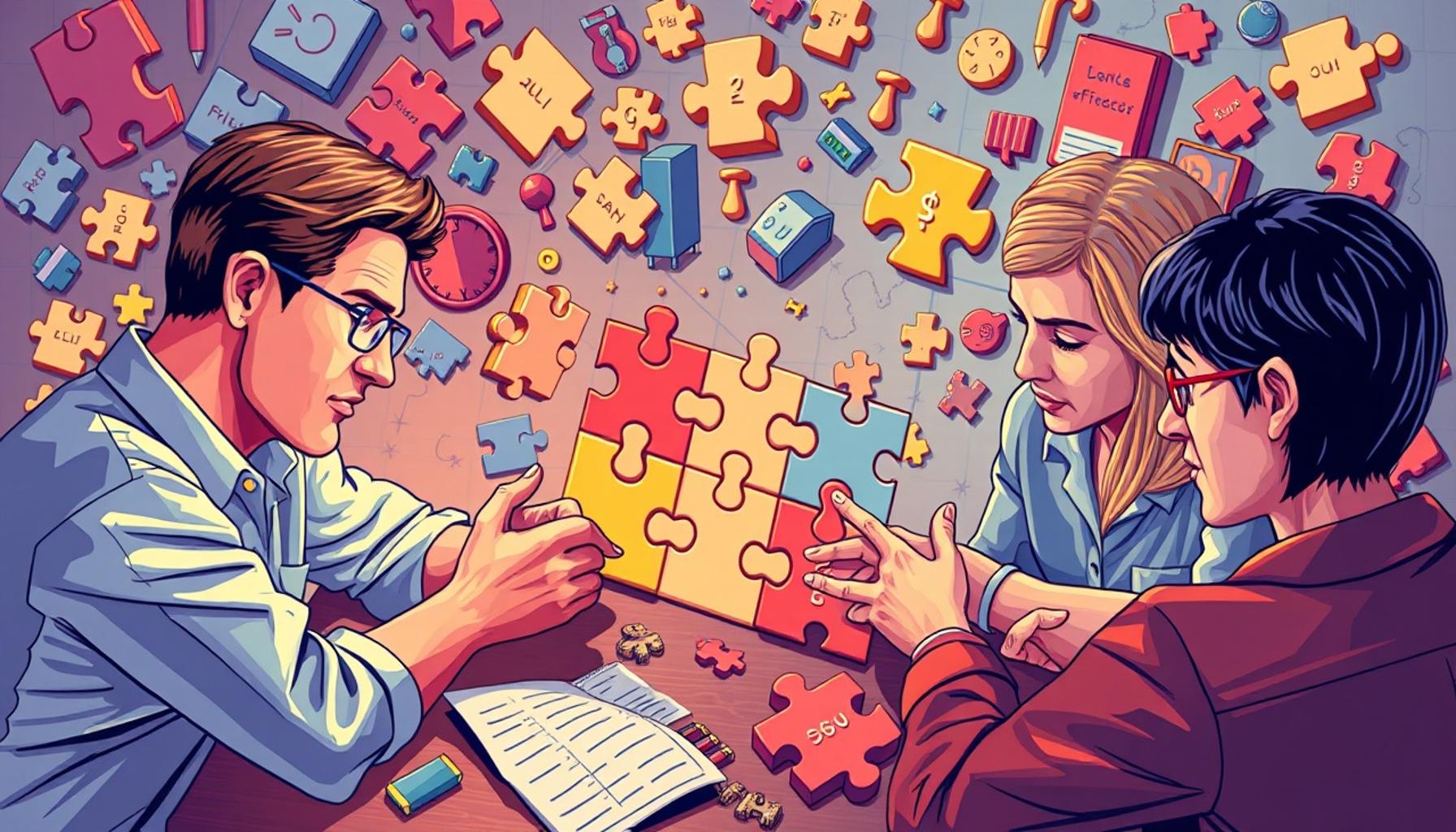
This storytelling framework in puzzle design can also facilitate collaborative problem-solving, which can in turn enhance memory retention. Solving puzzles in groups allows for the sharing of narrative insights, leading to a richer understanding of the puzzle’s themes and connections. Collaborative discussions about character motivations, plot twists, or narrative clues can further deepen one’s memory, transforming the experience from solitary reflection to collective adventure. These factors can substantiate that the shared social experience allows for varied perspectives, enriching individual memory capacity.
As we continue to explore the threads intertwining storytelling with puzzles, it becomes increasingly clear that this union serves vital psychological purposes. The effects on cognition and memory enhancement are just scratching the surface of an intricate relationship. As new research emerges, the puzzle-solving community can harness these insights to further improve not only entertainment value but also the educational efficacy of puzzles, ensuring that the power of storytelling continues to illuminate pathways in both leisure and learning.
DISCOVER MORE: Click here to explore the impact of social interaction on memory recall
Conclusion: The Interplay of Storytelling and Memory in Puzzle Solving
In summary, the integration of storytelling within puzzles emerges as a powerful mechanism that significantly enhances memory retention while providing an engaging experience. The psychological foundations laid out in this article underscore the importance of narrative in shaping how individuals interact with and recall information within puzzles. Through the Gestalt Effect, emotionally charged storytelling, and the establishment of thematic consistency, puzzles harness the intricate workings of the human brain to catalyze cognitive processes that boost memory retention.
The research and examples presented suggest that the emotional depth of a narrative not only captivates participants but also fosters a profound commitment to remembering intricate details. When combined with collaborative problem-solving, puzzles transform into social activities that enrich individual memory through shared insights and diverse perspectives. This collective aspect of storytelling further amplifies the overall experience, marking the importance of collaboration in enhancing memory recall.
Looking ahead, the puzzle design community is positioned at the forefront of leveraging these insights for both entertainment and educational purposes. By embracing storytelling as a vital component, creators can develop puzzles that not only delight but also serve as effective tools for learning and cognitive engagement. The enduring nature of storytelling can guide us toward new frontiers, ensuring that the art of puzzle-solving continues to evolve while fostering deeper connections with the narratives we encounter. As this fascinating intersection of storytelling and memory retention continues to unfold, it encourages us to explore further the profound impact these narratives can have on our cognitive abilities and the way we remember our experiences.
Related posts:
The Impact of Digital Mind Games on Memory Enhancement in Adults
Puzzles as Tools for Memory Retention: Strategies and Techniques
Integrating Mind Games into Daily Routines: A Practical Guide for Memory Enhancement
The Effect of Competitive Mind Games on Memory Improvement Among Seniors
Cultural Variations in Puzzle Preferences and Their Impact on Memory Skills
The Connection Between Mind Games and Neuroplasticity: Boosting Memory Through Cognitive Challenges

Linda Carter is a writer and puzzle expert specializing in mind games, brain teasers, and cognitive challenges. With extensive experience helping individuals enhance their problem-solving skills and think critically, Linda shares her knowledge on our platform. Her goal is to empower readers with practical advice, engaging puzzles, and strategies to sharpen their minds and achieve success in the captivating world of mind games and puzzles.