
The Allure of Mediterranean Cuisine
Stepping into the culinary world of the Mediterranean is akin to embarking on a flavorful adventure. The essence of fresh ingredients and aromatic spices harmoniously blend to create dishes brimming with history and storytelling. Each bite is a portal to the sun-drenched landscapes and rich cultures that span across the Mediterranean, from the bustling tapas bars of Spain to the captivating souks of Morocco.
Fresh Ingredients Defined
At the heart of Mediterranean cooking lies an emphasis on fresh ingredients. Renowned for their quality and taste, examples include:
- Olive oil: This golden elixir is a staple, celebrated not only for its rich flavor but also for its health benefits. Versatile enough to be drizzled over salads, used in marinades, or employed as a cooking fat, it adds depth to each dish.
- Tomatoes: Iconic in Mediterranean cuisine, tomatoes burst with sweetness and acidity. Varieties range from juicy heirlooms to tangy cherry tomatoes, each lending a unique character to sauces, salads, and more.
- Garlic: A fundamental aromatic, garlic enhances nearly every dish with its fragrant presence. Whether roasted for a mellow flavor or sautéed for a sharp punch, it is beloved throughout the region.
- Fruits and vegetables: Seasonal produce is celebrated, from vibrant bell peppers to luscious figs. These ingredients not only center meals on freshness but also reflect the agricultural heritage of the region.
Spices that Sing
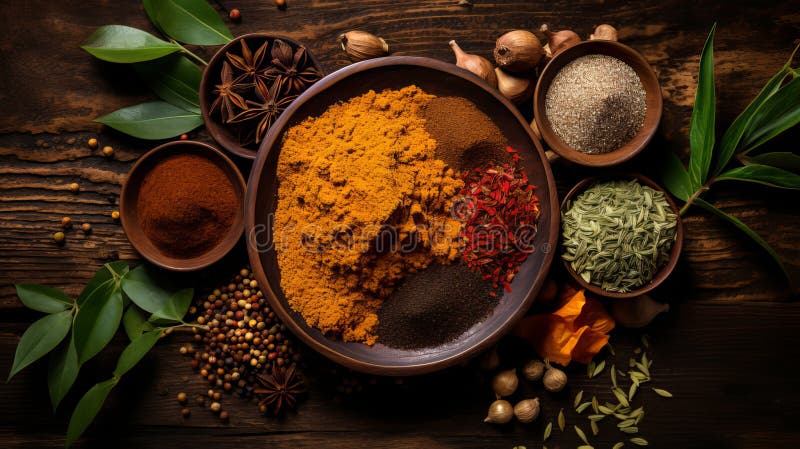
Additionally, the strategic use of spices elevates Mediterranean dishes to new heights. These essential flavor enhancers include:
- Cumin: Ground or whole, cumin seeds add a warm earthy flavor, often found in Moroccan tagines or Spanish chorizo dishes.
- Coriander: With a citrusy flavor, coriander brightens up stews and salads, contributing to the vibrant palate of the region.
- Saffron: Known as the world’s most expensive spice, saffron imparts a unique golden hue and a delicate taste to dishes such as risotto and paella.
- Oregano: A quintessential herb in Mediterranean cooking, oregano lends a fragrant aroma and robust flavor, frequently used in dressings and marinades.
Culinary Philosophy
This marriage of ingredients and spices goes beyond mere cooking; it reflects a lifestyle centered on balance and health. Mediterranean meals prioritize quality over quantity, fostering a deeper connection with food and the community. The use of vibrant herbs, such as basil and parsley, enhances not just the taste but also adds a visual allure to the meal, showcasing the belief that presentation matters as much as flavor.
By exploring Mediterranean cuisine, one uncovers an intricate tapestry colored by diverse cultures and traditions. Each region boasts its signature dishes—ranging from Italy’s rich pasta creations to Greece’s fresh seafood offerings—inviting everyone to appreciate the symphony of tastes that delight global palates. Thus, as we delve into the nuances and variations of Mediterranean flavors, we not only tantalize our taste buds but also nurture a profound appreciation for the art of food. Join this culinary journey, and let it spark your curiosity to explore the Mediterranean from your own kitchen.
DON’T MISS: Click here to uncover the flavors of tradition
Exploring the Flavor Profiles
The flavor profiles in Mediterranean cuisine are as diverse as the cultures that inhabit the region. This incredible variety arises from the interaction between fresh ingredients and aromatic spices, creating dishes that are bold yet balanced. Each region lends its characteristic touch to these flavors, often dictated by local palates, agricultural practices, and historical influences. For instance, the Greek islands boast seafood with bright lemon accents, while the southern coasts of Spain are celebrated for their richly seasoned stews.
The Role of Regional Influences
Several countries play a pivotal role in establishing the Mediterranean flavor spectrum. Consider the following:
- Italian Cuisine: Known primarily for its classic dishes, Italian cooking showcases simple yet impactful flavors. Ingredients such as fresh basil, parmesan, and capers combine harmoniously with pasta to create mouthwatering dishes like spaghetti al pomodoro or pesto.
- Greek Cuisine: Utilizing staples such as feta cheese, olive oil, and oregano, Greek dishes emphasize freshness and texture. The famous Greek salad encapsulates the essence of this cuisine, mixing cucumbers, olives, and tomatoes to create a refreshing and flavorful experience.
- Spanish Cuisine: From zesty Paella to vibrant tapas, Spain transforms regional ingredients into culinary art. The rich use of paprika—smoky and sweet—alongside saffron in various dishes celebrates the deep-rooted agricultural practices and cultural significance of local fare.
- Middle Eastern Influence: The Mediterranean is often intertwined with Middle Eastern flavors, incorporating spices like cinnamon and sumac into countless dishes. These spices interlace with fresh herbs such as parsley and cilantro to create robust salads like tabbouleh, which highlights the synergy between fresh and spice-driven tastes.
The Importance of Freshness
At the core of Mediterranean cuisine is the belief that freshness matters above all. The Mediterranean diet emphasizes locally sourced fruits, vegetables, and proteins, enhancing flavor while supporting sustainable practices. Farmers’ markets throughout Europe celebrate seasonal ingredients and promote a farm-to-table philosophy. For example, a dish featuring heirloom tomatoes, fresh mozzarella, and a drizzle of high-quality olive oil speaks to this connection, showcasing a simple yet profound approach to cooking.
Furthermore, the Mediterranean climate—the long, warm summers and mild winters—allows for year-round cultivation of fresh produce, greatly influencing the flavor profiles by ensuring that ingredients are always in their prime. This commitment to using the best of what the land has to offer is what sets Mediterranean cuisine apart from others, enhancing the overall sensory experience of each meal.
As the flavors dance on the palate, each mouthful tells a story of ancient trade routes and cultural exchanges, reflecting the harmony that exists between fresh ingredients and spices. The appreciation for each component invites culinary explorers to delve deeper into the richness and diversity of Mediterranean dining traditions.
| Category | Details |
|---|---|
| Fresh Ingredients | Seasonal vegetables and fruits enhance nutritional value and flavor. |
| Spices | Aromatic herbs like basil and oregano introduce depth of flavor and cultural identity. |
The Mediterranean cuisine is celebrated for its vibrant mix of flavors that showcases the culture’s rich history and biodiversity. The cornerstone of this culinary tradition lies in the extensive use of fresh ingredients. From the sun-ripened tomatoes of Italy to the tender olives of Greece, every dish is a testament to nature’s bounty. Each component not only encapsulates flavor but also ensures the dishes are nutrient-dense, enhancing overall health.In addition to fresh produce, the role of spices cannot be overstated. Spices such as cumin, paprika, and saffron are used judiciously to elevate dishes, evoking memories of vibrant Mediterranean markets. These spices do not merely flavor; they tell a story of regional identity and culinary traditions, creating a complex yet harmonious blend of tastes. Discover how these elements uniquely contribute to a culinary experience that invites exploration and indulgence. As you embark on your culinary journey through the Mediterranean, think of the aromatic herbs and wholesome ingredients as your guides, leading you to a deeper appreciation of this distinct flavor profile.
DIVE DEEPER: Click here to uncover regional flavors
Layering Flavors: Techniques and Cultural Practices
The art of layering flavors is a hallmark of Mediterranean cuisine, where chefs and home cooks alike masterfully combine fresh ingredients with spices to create memorable dishes. This technique not only enhances the taste but also showcases regional culinary traditions that reflect the local culture and history.
Cooking Methods That Enhance Flavor
Various cooking methods employed across the Mediterranean further elevate the taste of fresh ingredients. Grilling is a popular technique in many parts of the region, particularly in Italy and Greece, adding a smoky flavor that beautifully complements the natural sweetness of vegetables and the tenderness of meats. For example, grilled eggplant drizzled with tahini and topped with a sprinkle of smoked paprika transforms a simple dish into a flavor-packed experience.
Sautéing in high-quality olive oil is another favored method, allowing for the infusion of garlic, onions, and herbs to create a rich aromatic base. Classic dishes like ratatouille highlight how sautéing various vegetables—such as zucchini, bell peppers, and tomatoes—results in layers of texture and taste that burst with Mediterranean vibrancy.
Slow-cooking, particularly in Moroccan and Tunisian cuisines, showcases complex flavor profiles with the inclusion of spices like cumin, coriander, and cinnamon. A traditional tagine, for example, brings together tender meats and a variety of vegetables, simmered to perfection with these spices, creating a dish that is both comforting and exotic.
Spice Blends and Their Significance
Integral to the Mediterranean’s flavor canvas are its distinctive spice blends, each carrying cultural significance and historical context. In Middle Eastern cuisine, the use of za’atar—a fragrant blend of thyme, sesame seeds, and sumac—reflects the region’s agricultural bounty. This blend not only adds complexity to dishes like roasted vegetables but also symbolizes the connection between land and flavor.
Similarly, harissa, a fiery chili paste from North Africa, exemplifies how spices can elevate a meal from mundane to extraordinary. When slathered on grilled meats or blended into soups, harissa adds depth, heat, and an unmistakable regional flair. Its creation often varies between families and regions, adding a personal touch to a beloved culinary tradition.
- Dukkah: This Egyptian spice blend, made from nuts and seeds, offers a delightful crunch and nutty flavor, often used as a dip for fresh bread.
- Pesto: Originating from Italy, this vibrant sauce—made with basil, pine nuts, and cheese—invites a burst of fresh flavor, complementing pasta, meats, and even vegetables.
- Garam Masala: Although typically associated with Indian cuisine, this blend is sometimes incorporated into Mediterranean dishes, illustrating the historical trade routes that have influenced flavor profiles beyond borders.
The exceptional harmony between these spices and fresh ingredients illustrates not just a commitment to flavor, but also a deep appreciation for culinary heritage and the stories each dish carries. As diners savor Mediterranean meals, they are not just tasting the food; they are experiencing a rich tapestry of history, culture, and geography woven together by the skilled hands that prepare them.
DIVE DEEPER: Click here to discover more about flavor profiles</p
Conclusion
In exploring the complex flavor profiles in Mediterranean cuisine, one discovers a culinary landscape that thrives on the interplay between fresh ingredients and artfully blended spices. This harmonious relationship not only elevates the taste of dishes but also honors the traditions of the various cultures that span the Mediterranean basin. The diverse cooking techniques, from grilling to slow-cooking, and the use of distinctive spice blends like za’atar and harissa, demonstrate a profound commitment to both flavor and authenticity.
As one indulges in Mediterranean meals, the experience transcends mere sustenance. Each bite encapsulates centuries of history, reflecting the farming practices, trade routes, and social customs that characterize the region. Whether savoring a pesto-coated pasta or a plate of spiced tagine, diners partake in a tradition where every ingredient tells a story. This culinary journey invites food enthusiasts to not only appreciate the dishes before them but also to understand the broader cultural narratives at play.
To truly grasp the essence of Mediterranean cuisine, consider experimenting with fresh ingredients and exploring a variety of spices in your own kitchen. By embracing these elements, anyone can create meals that resonate with the vibrant spirit of the Mediterranean. So why not gather friends and family for a culinary adventure that celebrates the rich flavors and histories woven into every dish?