The Influence of Board Games on Creativity and Problem Solving

The Benefits of Board Games for Creativity and Problem Solving
Board games have long been synonymous with family fun and friendly competition. However, their impact stretches far deeper than surface-level enjoyment. These interactive experiences serve as powerful tools for enhancing creativity and problem-solving skills, revealing why they have gained renewed attention in both educational environments and at social gatherings.
When engaging with board games, players immerse themselves in experiences that stimulate critical thinking and foster innovation. Below are several aspects in which board games cultivate these vital abilities:
- Strategic Thinking: Most games require players to develop tactics to outmaneuver opponents. For instance, in games like Chess or Settlers of Catan, participants must forecast potential moves while considering their competitors’ intentions. This ongoing mental exercise sharpens their cognitive agility, which can be applied in real-life scenarios.
- Collaboration: Team-based games, such as Pandemic or Forbidden Island, necessitate effective communication among players. They must share insights and work towards common objectives, promoting teamwork and collective problem-solving. This collaborative environment nurtures the ability to listen, negotiate, and integrate diverse viewpoints—skills invaluable in the workplace and social contexts.
- Adaptability: The unpredictable nature of board games teaches players to remain flexible in their thinking. In a game of Cards Against Humanity or Dixit, shifting circumstances demand quick adjustments. When players learn to think on their feet and modify their strategies, they cultivate resilience and creativity, both of which are essential in navigating life’s challenges.
Research underscores the cognitive benefits of regularly engaging in board games. Various studies indicate that:
- Participants exhibited enhanced memory and recall abilities, critical for learning and day-to-day functioning.
- Creative problem-solving skills were significantly improved, allowing players to approach obstacles with a fresh perspective.
- Players often devised unique solutions during high-pressure scenarios, adapting their strategies to succeed amidst intense competition.
The ability to navigate challenges while playing mirrors the problem-solving skills required in everyday life. Players who face setbacks in board games learn to craft innovative solutions, a skill transferable to real-world situations, whether at work or in personal relationships.
As society places increasing emphasis on creativity and critical thinking, the significance of board games as effective educational tools becomes evident. By fostering a spirit of inquiry, collaboration, and strategic thought, these games can pave the way for lifelong learning and intellectual growth.
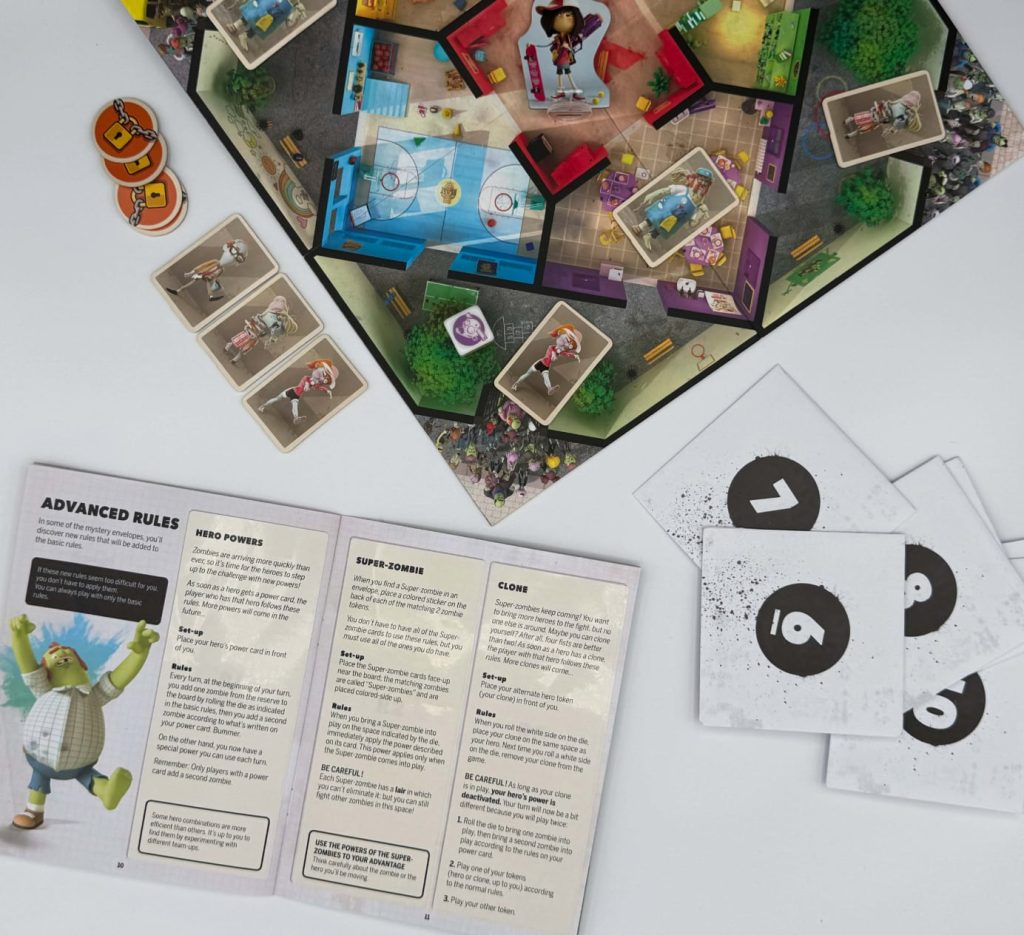
Diving into the world of board games opens up possibilities for enhancing mental acuity while enjoying memorable experiences with friends and family. Not only do these games foster essential life skills, but they also remind us of the joy found in play—a testament to the balance of work and leisure in cultivating creative minds.
EXPLORE MORE: Click here to discover the link between mind games and neuroplasticity</
The Cognitive Impact of Board Games
The cognitive benefits derived from board games extend far beyond mere entertainment. Engaging in board games fosters a unique environment that encourages players to think critically, strategize, and ultimately enhances their capacity for creative problem solving. By participating in various scenarios and challenges, players sharpen their mental faculties in ways that traditional educational methods often fail to address.
One of the standout attributes of board games is their ability to simulate real-life challenges, creating a safe space for players to experiment with different solutions. Here are several cognitive dimensions influenced by board gaming:
- Enhanced Critical Thinking: Games like “Risk” and “Ticket to Ride” challenge players to assess the board and make calculated decisions based on incomplete information. This mirrors real-world decision-making processes, which often involve weighing risks and benefits under uncertainty.
- Creative Exploration: Board games offer various pathways for success, compelling players to explore unconventional tactics. The flexibility inherent in games like “Codenames” or “Mysterium” encourages divergent thinking, where players find multiple ways to achieve their goals rather than relying on standard approaches.
- Memory Improvement: The necessity to remember rules, strategies, and opponents’ moves enhances memory and recall. A game like “Gloomhaven” engages players in complex narratives and skill development, which, in turn, can improve their overall cognitive function and retention.
Moreover, several recent studies highlight the correlation between board games and improved cognitive skills. For instance:
- Participants who regularly engage in strategic board games often show marked improvements in their abstract reasoning abilities.
- Research indicates that individuals who play collaborative games tend to develop stronger analytical skills, enabling them to devise innovative solutions in both game settings and real-world scenarios.
- Players frequently report heightened creativity levels after engaging with board games, crediting the experiences with enhancing their imaginative capabilities.
While the primary allure of board games might be social interaction and fun, their underlying educational value is undeniable. The blend of cognitive challenge and enjoyable gameplay fosters learning in a relaxed and enjoyable atmosphere, making it a perfect conduit for children and adults alike to develop essential life skills.
Furthermore, as parents and educators grapple with fostering creativity and critical thinking within their children, board games emerge as vital resources. With a variety of genres available, from strategy to cooperative play, there is no shortage of options that can cater to diverse learning styles, making them an ideal complement to conventional educational tools.
In essence, the influence of board games on creativity and problem-solving is profound, paving the way for enhanced cognitive development while simultaneously providing an enjoyable shared experience. As players navigate the complexities of each game, they are honing skills that will serve them well beyond the gaming table, shaping well-rounded individuals equipped for the challenges of the modern world.
| Category | Description |
|---|---|
| Enhanced Strategic Thinking | Playing board games often requires players to analyze situations and develop strategies, fostering strong problem-solving skills. |
| Boosts Creativity | Imaginative gameplay can spark innovative ideas, as players explore different approaches to challenges. |
The world of board games goes far beyond mere entertainment; it serves as a gateway to enhancing creativity and problem-solving abilities. With an emphasis on strategic thinking, players delve into various scenarios, learning to anticipate others’ moves and adapt their strategies accordingly. This not only sharpens their cognitive skills but also instills a sense of foresight—an invaluable trait in both personal and professional contexts.Moreover, the imaginative nature of many board games encourages players to think outside the box. As participants engage in dynamic gameplay, they often find themselves crafting unique solutions to overcome obstacles. This blend of challenge and creativity leads to a more enriched mindset, allowing individuals to approach real-life problems with a renewed perspective. Exploring how board games cultivate these skills is vital for anyone interested in nurturing their mental faculties through play.
DISCOVER MORE: Click here to dive deeper into mind games
Social Dynamics and Team Collaboration
In addition to fostering individual cognitive skills, board games serve as a powerful medium for enhancing social creativity and team collaboration. Many popular titles require players to work together, navigate interpersonal dynamics, and negotiate their roles within a group context. This environment not only fuels innovative thinking but also builds essential life skills that extend into real-world settings.
Collaborative Board Games such as “Pandemic” and “Forbidden Island” exemplify this cooperative spirit, requiring players to unite their strengths to solve complex challenges. The need for teamwork and shared problem-solving promotes a collective intelligence that enhances creativity through dialogue and brainstorming. Players are encouraged to share insights, propose ideas, and critique strategies, leading to more informed decisions that often yield successful outcomes.
Moreover, the intricacies of social interactions during gameplay present opportunities for players to experiment with different leadership styles and decision-making processes. For example, games requiring consensus building often lead to richer discussions, prompting players to present innovative solutions that may not have been identified through solitary decision-making. The willingness to comment on and challenge each other’s approaches nurtures a dynamic narrative of problem-solving where creativity flourishes.
- Emotional Intelligence Development: Engaging with fellow players cultivates emotional awareness and empathy, essential components of effective teamwork. Understanding others’ motivations and emotions enhances group creativity and solidifies stronger community bonds.
- Conflict Resolution Skills: Board games often present conflicts, whether through competitive mechanics or in-game challenges. Players must navigate these situations, developing skills to manage disagreements harmoniously while still striving for group success. Such experiences translate to improved conflict resolution abilities in professional and personal spheres.
- Adaptability and Flexibility: The unpredictable nature of board games, with changing game states and diverse strategies, teaches players to adapt quickly. This fluidity is crucial in dynamic work environments where creative problem-solving and adaptability are paramount to success.
Additionally, a growing body of research underscores the importance of social interaction in cognitive development. Studies indicate that team-based games not only help players think on their feet but also encourage the application of multiple perspectives in problem-solving scenarios. This practice can lead to innovative approaches that an individual might not discover alone. The interchange of ideas, the validation of creative thoughts, and the eventual implementation of solutions within the safety of a gaming environment provide a stable foundation for cultivating creativity.
The impact of board games on social creativity is especially evident in educational settings. Educators are increasingly incorporating cooperative board games into curricula to promote teamwork and collaboration among students. By participating in these games, students learn to appreciate diverse viewpoints, which can augment their creative expression and problem-solving skills in and beyond the classroom.
As players navigate the challenges of board games, they are not only honing their individual cognitive abilities but also developing the social skills necessary for effective collaboration. This interaction breeds an atmosphere ripe for creative innovation, allowing diverse ideas to emerge and flourish as players confront challenges together. The fusion of creativity, critical thinking, and teamwork creates a rich tapestry of learning experiences that transcend the boundaries of traditional education, illustrating the profound influence of board games on both creativity and problem-solving in contemporary society.
DISCOVER MORE: Click here to unlock the benefits of puzzles in enhancing problem-solving skills.
Conclusion: The Unseen Benefits of Board Games
As we delve into the multifaceted world of board games, it becomes abundantly clear that their influence extends far beyond mere entertainment. They serve as a dynamic platform for honing critical skills such as creativity and problem-solving, which are invaluable in both personal and professional realms. Through strategic gameplay, individuals develop not only acute cognitive abilities but also vital social skills essential for collaborative success.
The unique blend of competition and teamwork found in games encourages players to engage with diverse perspectives, which enhances their ability to think critically and creatively. With titles like “Pandemic” and “Forbidden Island,” players navigate complex problems as a unit, promoting a spirit of shared innovation that can lead to remarkable outcomes. This cooperative approach fosters an environment where brainstorming flourishes, offering insights that might remain dormant in solitary settings.
Moreover, the development of emotional intelligence and conflict resolution skills during gameplay equips players with essential tools for navigating real-world challenges. As they adapt to changing game dynamics, participants enhance their flexibility and resilience—qualities crucial in today’s fast-paced environments. The insights gained from these interactions are reflected in educational practices, where educators are increasingly integrating board games as learning tools, enabling students to cultivate creativity and collaboration right from the classroom.
Ultimately, embracing the rich landscape of board games presents an opportunity to explore new avenues for personal growth. By actively participating in these engaging experiences, players are not merely enjoying a pastime; they are investing in their cognitive and social development. The profound impact of board games on creativity and problem-solving serves as a reminder that sometimes the solution to our most pressing challenges can be found at the gaming table.
Related posts:
Visual Puzzles: How Image Puzzles Stimulate Visual Creativity
Creativity in Action: How Word Games Can Stimulate Innovative Thinking
Unraveling Enigmas: How Solving Puzzles Stimulates Original Thinking
The Psychology of Play: How Cognitive Challenges Influence Creative Thinking
Logic Games: How They Can Boost Your Creativity
The Role of Puzzles in Enhancing Cognitive and Creative Flexibility

Linda Carter is a writer and puzzle expert specializing in mind games, brain teasers, and cognitive challenges. With extensive experience helping individuals enhance their problem-solving skills and think critically, Linda shares her knowledge on our platform. Her goal is to empower readers with practical advice, engaging puzzles, and strategies to sharpen their minds and achieve success in the captivating world of mind games and puzzles.