
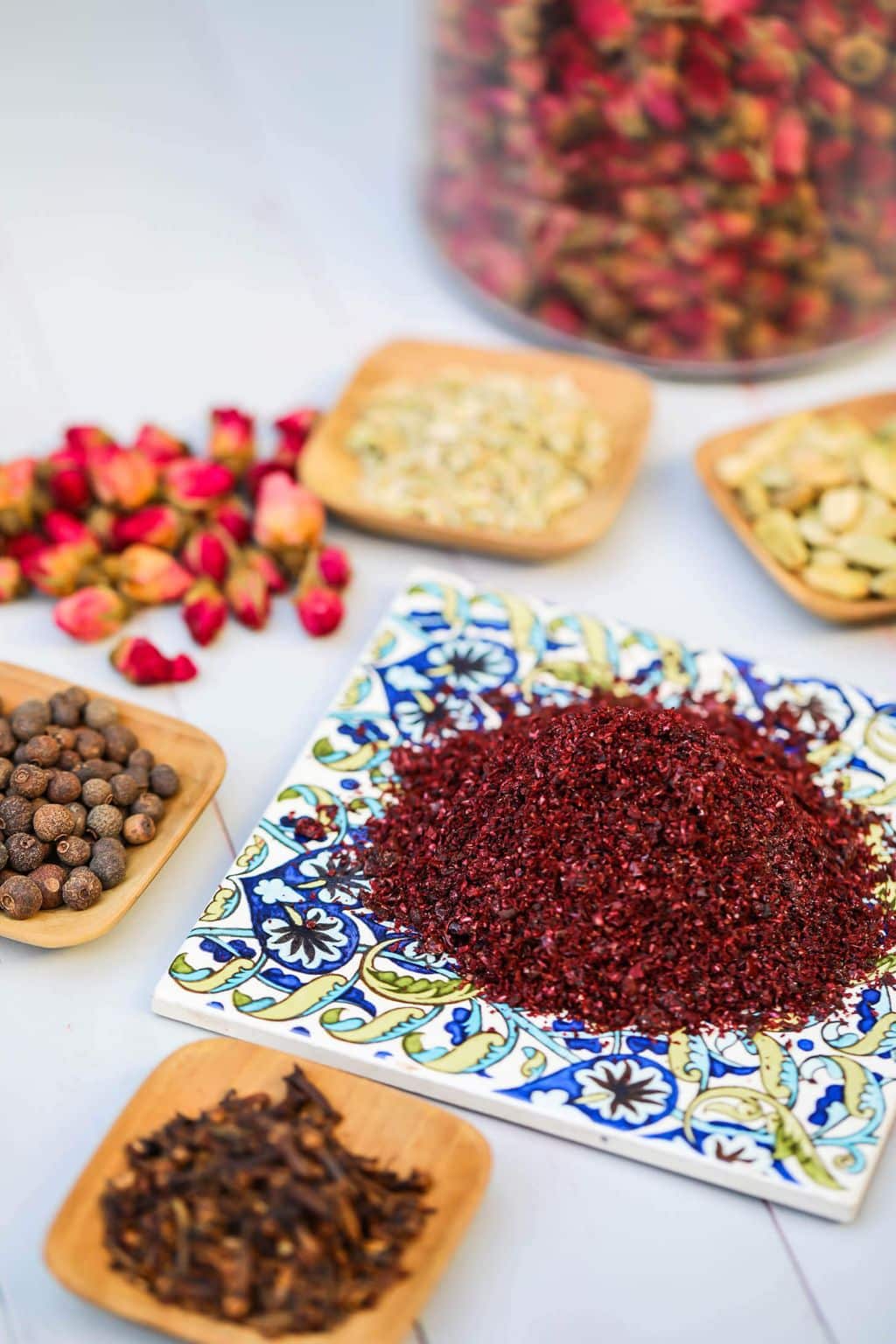
The Allure of Middle Eastern Spices
The culinary landscape of the Middle East is a captivating blend of flavors that offers an exceptional sensory experience. Rich in history and culture, Middle Eastern cuisine not only nourishes the body but also tells a story of ancient trade routes, diverse cultures, and time-honored traditions. Over the years, flavors from this region have attracted a growing number of enthusiasts in the United States, where food fans increasingly turn to Middle Eastern dishes for their bold and intricate tastes.
What truly distinguishes Middle Eastern cuisine is its remarkable spice profiles, which vary significantly across the different countries and regions. These spices serve as a vital component of the dishes, enhancing not only the flavor but also the overall experience of eating. Let’s explore some of the most enchanting spices that take center stage in this culinary tradition:
- Cumin – Earthy and warm, cumin is a staple in Middle Eastern cooking and is often found in stews, spice blends like za’atar, and grilled meats such as kebabs. Its unique flavor profile adds depth to dishes, making it indispensable for anyone looking to recreate authentic Middle Eastern flavors.
- Coriander – With its fresh, citrus notes, coriander is frequently used in marinades and salads, enhancing the brightness of a dish. Its leaves, commonly known as cilantro, are celebrated in salads like tabbouleh, bringing a refreshing contrast to rich flavors.
- Turmeric – This golden spice is renowned not only for its vibrant hue but also for its myriad health benefits. Often used in rice dishes like biryani, turmeric adds both color and a subtle, earthy flavor, rendering it a staple in Middle Eastern kitchens.
- Cardamom – This sweet and aromatic spice is versatile, used in both savory dishes like spiced rice and desserts such as baklava. Cardamom’s complex flavor profile elevates everyday meals into extraordinary culinary experiences.
- Sumac – With its tangy zest, sumac is ideal for enhancing salads, dips like hummus, and grilled meats. Its vibrant red hue and acidity provide a fresh counterpoint to richer flavors, making it a favorite in dishes like fattoush salad.
Beyond just flavors, these spices embody centuries of tradition and cultural significance. Whether it’s the warmth of cumin that accompanies a family gathering or the aromatic allure of cardamom that graces special occasions, each spice weaves a rich narrative into the fabric of Middle Eastern cuisine. Exploring these flavors offers a delightful journey through a rich culinary heritage that invites eaters to engage in a delightful exploration of cultural diversity.
As you journey through the world of Middle Eastern cooking, imagine yourself combining these spices to create tantalizing dishes that may transport you to distant lands. Whether you’re adding spices to your next meal or visiting a local Middle Eastern restaurant, each bite is an invitation to discover the vibrant traditions and stories behind these enchanting flavors.
DIVE DEEPER: Click here to uncover the fascinating role of spices in cuisines around the world
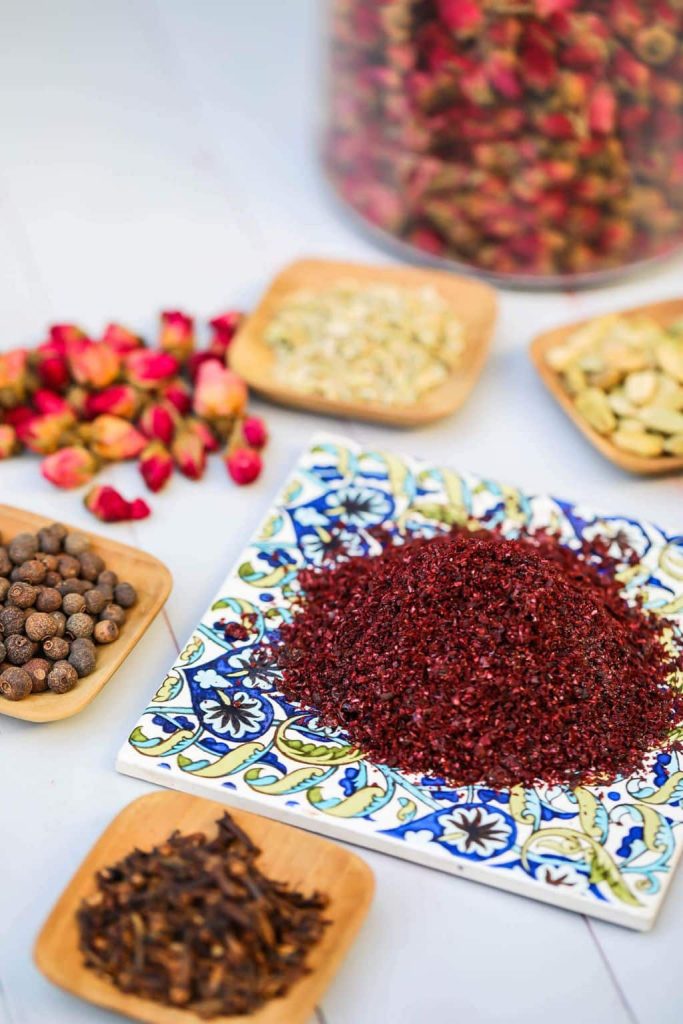
Unveiling the Heart of Middle Eastern Flavors
The beauty of Middle Eastern cuisine lies not only in its rich history but also in the remarkable balance of flavors created by the spices that define it. Each spice used in Middle Eastern cooking holds a story, a connection to the land, and a reflection of the distinct culture of its region. Understanding these spices opens a gateway to appreciating the complexity and depth of the dishes that have captivated palates around the world.
One cannot explore the flavor profiles of Middle Eastern cuisine without encountering the vibrant and multifaceted spice blends. Among the most iconic is baharat, a fragrant mixture of spices that typically includes black pepper, coriander, cumin, paprika, and cloves. Often used in meat dishes and stews, baharat adds a warm, aromatic quality that envelops the senses, providing a comforting reminder of home-cooked meals.
Another essential blend is za’atar, which combines wild thyme, sumac, sesame seeds, and salt. This aromatic condiment is often sprinkled over breads, salads, and grilled vegetables, lending a distinctive herby flavor that is both refreshing and exotic. In modern culinary scenes across the United States, za’atar has gained immense popularity due to its unique flavor profile, versatility, and health benefits, making it an appealing addition to various dishes.
The Art of Using Spices
In Middle Eastern kitchens, spices are not merely seasonings; they are artistic expressions of flavor that require a skilled hand and an intuitive understanding of balance. Here are some key spices that resonate throughout the region:
- Black Pepper – A ubiquitous spice found in countless cuisines, black pepper provides a warmth and depth to Middle Eastern dishes. Its pungency pairs exquisitely with other spices, enhancing their flavors.
- Allspice – With its unique combination of cinnamon, nutmeg, and clove notes, allspice is often included in meat marinade and rice dishes, contributing a warm sweetness that rounds out savory flavors.
- Fennel Seeds – Sweet and slightly licorice-like, fennel seeds are sometimes used in spice blends and as a digestive aid. They bring a subtle complexity to dishes, balancing out richer ingredients with their gentle anise flavor.
- Chili Pepper – Ranging from mild to fiery, chili peppers add heat and depth to Middle Eastern cooking. Varieties such as Aleppo pepper are favored for their fruity flavor and moderate heat, making them ideal for both finished dishes and marinades.
This array of spices exemplifies the creativity embedded within Middle Eastern cuisine. They allow for endless culinary experimentation, creating dishes that cater to a spectrum of tastes and preferences. As chefs and home cooks alike embrace these spices, they join a vibrant tradition that transcends generations, making each meal a celebration of cultural heritage.
With these spices in your pantry, the allure of Middle Eastern cuisine beckons you to discover new recipes, explore various cooking techniques, and experience flavors that enchant your senses. Each spice is an invitation to dive deeper into a world of culinary artistry where every meal tells a story, and every bite is a journey into history.
| Category | Description |
|---|---|
| Culinary Versatility | Middle Eastern spices can enhance a variety of dishes, from savory to sweet, providing a unique depth of flavor. |
| Health Benefits | Many spices used in this cuisine, such as cumin and turmeric, are known for their anti-inflammatory and antioxidant properties. |
| Cultural Significance | Each spice has its own story, rich with history and tradition, representing the beautiful tapestry of Middle Eastern culture. |
| Aromatic Experience | Scented spices like cardamom and rosewater provide an enchanting aroma that makes cooking and dining a sensory adventure. |
The discovery of flavors in Middle Eastern cuisine does not merely lie in the taste but extends into a vibrant world of aroma, color, and nutrition. Incorporating these spices into your dishes can invite you to explore a myriad of possibilities. Each spice opens a door to a culture steeped in tradition and history, where every bite tells a story. Thus, immersing yourself into the enchanting world of Middle Eastern spices will not only tempt your palate but also enrich your culinary repertoire.
DISCOVER MORE: Click here to dive into festival flavors
Exploring Unique Spices and Their Culinary Influence
The spices of Middle Eastern cuisine not only provide distinctive flavors but also play a key role in promoting health and wellness. Many of these spices, revered for their medicinal properties, have been used for centuries to enhance recipes while supporting nutritional needs. For instance, cumin, a staple in many Middle Eastern dishes, is believed to aid digestion and boost the immune system. Its warm, earthy notes can unify complex profiles in rice dishes and spicy stews, showcasing how ingredient selection intertwines with culinary benefits.
Another celebrated spice, cardamom, known for its intense aroma and slightly sweet flavor, has applications that range from spicing up traditional coffee to enriching desserts. In many Middle Eastern homes, cardamom is an essential component of chai, and its presence elevates not only the taste but the experience of drinking tea. Recently, this exquisite spice has gained traction in American cafes and restaurants, where baristas and chefs are incorporating cardamom into modern drinks and food offerings, expanding its audience beyond cultural limits.
Cooking Techniques and Spice Pairing
Understanding the art of spice pairing is essential for anyone looking to explore Middle Eastern cooking. For example, the bold flavors of turmeric complement the warm, sweet character of cinnamon, creating a base that enhances vegetable and grain dishes. Turmeric, with its vibrant golden hue, is not only visually striking but is also celebrated for its anti-inflammatory properties. In countries like Morocco, turmeric is often featured in tagines and couscous, inspiring home cooks everywhere to experiment with its warm flavor.
Moreover, the use of sumac—known for its tangy, lemony flavor—offers an inviting contrast when paired with richer ingredients. This spice is often sprinkled over salads or grilled meats as a finishing touch, providing a kick of brightness. In the United States, health-conscious diners have been increasingly attracted to sumac due to its high antioxidant content and ability to elevate even the simplest dishes, transforming them into culinary delights.
- Cloves – Their intense flavor requires careful handling, as just a pinch can drastically alter a dish. In Middle Eastern cuisine, cloves are commonly found in spice blends and meat preparations, imparting a distinctive warmth.
- Coriander – With its citrusy undertones, coriander seeds and fresh leaves are integral to Middle Eastern recipes. They contribute rounds of flavor to countless dishes, harmonizing with spices like cumin and paprika to enhance profiles.
- Saffron – As one of the most luxurious spices worldwide, saffron is revered for its unique flavor and subtle golden color. Its use in dishes such as Persian rice pilaf symbolizes both culinary and cultural significance, creating a connection to the region’s rich heritage.
By embracing these enchanting spices, cooks can conjure dishes that echo their unique characteristics and stories. The experience of cooking with these spices is not just about flavors—it’s an exploration of tradition, history, and the rich tapestry of lives intertwined through cuisine. From busy kitchens in Cairo to fancy eateries in New York City, Middle Eastern flavors are becoming a celebrated phenomenon, defined by the enchanting spices that invite discovery with each savory bite.
DISCOVER MORE: Click here to dive deeper
Conclusion: A Culinary Journey Through Middle Eastern Spices
As we delve into the vibrant world of Middle Eastern cuisine, it becomes evident that the magic of its flavor profiles lies significantly in its enchanting spices. From the warming notes of cumin and turmeric to the zesty brightness of sumac, each spice tells a story rich in tradition, culture, and health benefits. These ingredients not only tantalize the taste buds but also serve as a bridge connecting generations, embodying the essence of community and shared culinary heritage.
The rising popularity of Middle Eastern cuisine in the United States serves as a testament to its irresistible appeal, as chefs and food enthusiasts explore innovative ways to incorporate these age-old spices into contemporary dishes. The use of spices like cardamom and saffron has transcended cultural boundaries, inviting a broader audience to embrace the rich aromatic profiles that characterize this cuisine. As we adorn our kitchens with these remarkable spices, we allow ourselves to embark on a sensory journey that ignites culinary creativity while promoting health and well-being.
Ultimately, it is through the exploration of these spices that we not only enhance our cooking but also gain a deeper appreciation for the diverse culinary tapestry of the Middle East. Whether you’re a seasoned chef or a novice cook, immersing yourself in the enchanting world of Middle Eastern spices opens up endless possibilities for flavor and connection. So, let each sprinkle and dash transport you into a world filled with history, culture, and irresistible taste—because in every bite, there lies a tale waiting to be discovered.