
Exploring Food and Festivities
Festivals are not just events filled with merriment and joy; they represent a tapestry of cultures, communities, and culinary practices that reflect the essence of a society. At the heart of many celebrations, food acts as a powerful medium, bridging gaps among people and inviting them to partake in shared experiences. From the sizzling street foods of a summer carnival to the elaborate feast of a family gathering during the holidays, dishes infused with cultural significance enhance the festivities.
For instance, during Diwali, one of the most significant festivals in India, the atmosphere buzzes with joy as homes are adorned with lights, and families prepare an array of delectable sweets like *ladoos* and *gulab jamun*. These confections are not merely treats; they symbolize the triumph of light over darkness and good over evil, reflecting the festival’s spiritual roots. Embracing such culinary traditions fosters a strong sense of community and familial bonds, as generations pass down methods of preparation, creating lasting memories.
In contrast, the annual Thanksgiving celebration in the United States is marked by the delightful aroma of roasted turkey, stuffing, and pumpkin pie wafting through homes. As families gather around the table, the feast embodies gratitude, tradition, and togetherness. Each dish tells a story, whether it be the heritage of Native American influence on the meal or the evolution of recipes passed down through the years. The communal aspect of sharing a meal enhances feelings of connection and reminds everyone of the importance of family and friendship.
Across the Atlantic, Oktoberfest in Germany dazzles attendees with joyous celebrations that center around hearty foods such as pretzels and sausages, paired with exceptional local beers. Originating in Munich, this festival has evolved into a global phenomenon, showcasing not only German culinary staples but also fostering cultural exchange as people from different backgrounds come together to celebrate. The festivities highlight how food and drink can create an atmosphere of camaraderie, attracting millions from around the world each year.
Furthermore, culinary customs during festive occasions often impact regional agricultural practices. For example, seasonal dishes may inspire local farmers to cultivate specific crops, ensuring a fresh supply of traditional ingredients. This relationship between food and farming not only sustains culinary traditions but also supports local economies, making the celebration even more significant.
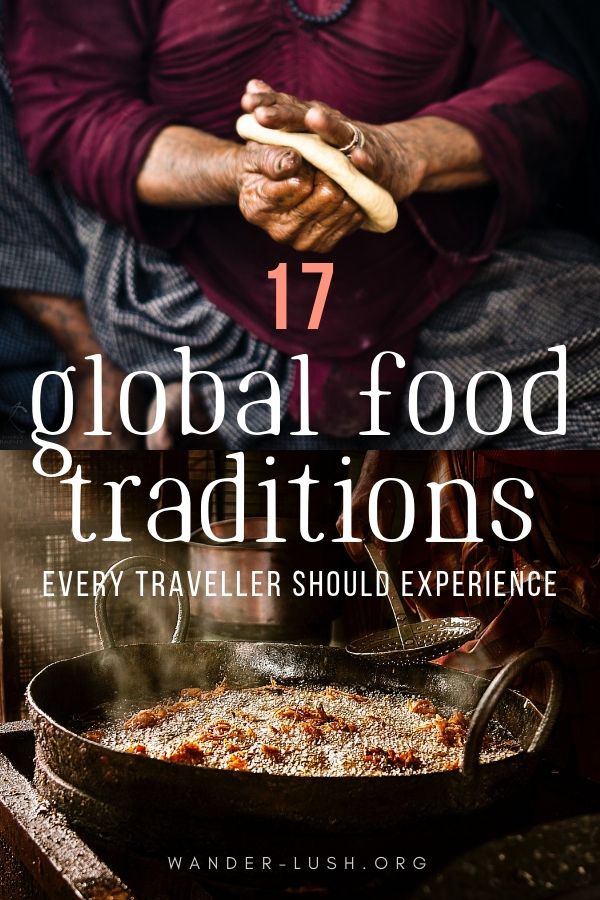
The intersection of festivities and culinary traditions serves as a profound reminder of how food nurtures both the physical body and the soul of diverse cultures. Through dishes that evoke nostalgia and warmth, festivals allow us to appreciate the richness of our shared experiences and to explore the stories behind each bite. Join us as we delve deeper into these culinary customs that shape our celebrations and, ultimately, our identities.
DISCOVER MORE: Click here to enhance your sauce game
Culinary Significance of Global Celebrations
The culinary traditions behind global festivities not only delight our taste buds but also weave together the cultural heritage of communities around the world. Each festival embodies unique foods that are rich with historical significance and local flavor, often rooted in ancient customs and communal activities. Understanding these culinary practices provides insight into the evolving nature of cultural identity and collective memory.
In many cultures, specific ingredients are intimately tied to religious or seasonal observances. For example, during the Jewish festival of Passover, the traditional meal includes matzo—a flat, unleavened bread symbolizing the haste with which the Israelites fled Egypt. This age-old dish requires careful preparation and is accompanied by other symbolic foods like bitter herbs and charoset, which further enhance the meal’s deep meaning. The act of gathering for the Passover Seder signifies unity and remembrance among families, demonstrating how food serves as a cornerstone of tradition.
The Chinese New Year is another vibrant celebration known for its elaborate culinary practices. Dishes such as dumplings, nian gao (sticky rice cake), and whole fish are prepared with care, as each ingredient carries significance for prosperity and good fortune in the coming year. Dumplings, for instance, are shaped like ancient gold ingots to symbolize wealth. This festival not only emphasizes familial bonds—where members often work together to prepare these feasts—but also offers a chance to reflect on ancestral connections, highlighting how culinary traditions serve as a living narrative of history.
Festivities also incite culinary creativity and innovation. As communities gather, local producers and chefs experiment with traditional recipes, evolving them to reflect contemporary tastes. This is particularly evident in many Caribbean festivals, where local ingredients like plantains and seafood are celebrated in hybrid dishes that merge traditional recipes with modern techniques. Not only do these meals represent a fusion of flavors, but they also motivate chefs to experiment with seasonal ingredients, making each year’s celebration unique.
In exploring this dynamic intersection of food and festivity, several key themes emerge:
- Cultural Identity: Food serves as a powerful marker of cultural identity, offering individuals a means to express belonging within their community.
- Historical Significance: Many festive foods have deep historical ties, representing events or symbols significant to the community’s heritage.
- Community and Family Bonds: Festivals bring people together, strengthening relationships through shared culinary experiences.
- Adaptation and Innovation: Culinary traditions often evolve, reflecting changes in society while maintaining essential links with the past.
As we continue to examine these culinary traditions during global festivities, it’s evident that food is much more than sustenance; it acts as a common language that transcends barriers and fosters understanding among diverse communities. By appreciating these distinctive foods and the stories behind them, we deepen our connection to the world around us and enrich our own cultural experiences.
As we delve deeper into the enchanting relationship between festivities and culinary traditions, it becomes evident that these celebrations serve as a canvas for cultural expression through food. Different regions around the world infuse their local ingredients, unique flavors, and age-old recipes into the dishes prepared during significant events. For instance, in Italy, the feast of Epiphany is celebrated with a traditional cake called “Torta della Befana,” showcasing the Italian penchant for sweets and communal sharing.The significance of food during festivities goes beyond mere sustenance; it acts as a symbol of togetherness. Family gatherings and community feasts during events like Thanksgiving in the United States or the Lunar New Year in China highlight how shared meals foster bonds among people. These culinary traditions are often passed down through generations, transforming individual recipes into treasured family heirlooms.Moreover, the preparation and consumption of festive dishes provide an opportunity to convey historical narratives and cultural identities. Ingredients often hold profound meanings, like how the use of certain spices in Indian festivals signifies prosperity and health, while the roast lamb during Easter symbolizes sacrifice and renewal in various Christian traditions. It’s fascinating to explore how these customs evolve and adapt over time, sometimes melding with other cultures to create fusion dishes that celebrate diversity.In addition, these culinary practices can significantly impact local economies. Festivities often attract tourists eager to engage with authentic cultural experiences, boosting local businesses and artisans. Food festivals particularly highlight this phenomenon, showcasing regional specialties and creating an atmosphere where tradition meets innovation. Through festivities, culinary traditions are not simply preserved; they are revitalized and given a platform to reach new audiences, further embedding them into the fabric of society.The exploration of culinary traditions during festivities opens doors to understanding global connections, with food acting as a universal language. As we celebrate these rich practices, we recognize that every dish tells a story, reflecting the heart and soul of the community it originates from. Such narratives enrich our lives, encouraging us to savor not just the food, but the stories that accompany each meal.
DIVE DEEPER: Click here to discover the art of sous vide</p
Regional Variations and Culinary Artistry
As we delve deeper into the role of culinary traditions in global festivities, it’s essential to recognize how regional variations significantly influence traditional dishes, adding layers of creativity and uniqueness to the celebratory table. Each region approaches festivities with its local ingredients, cooking techniques, and flavor profiles, showcasing the vast spectrum of global gastronomy. This diversity allows food not only to narrate individual stories but also to reflect the broader cultural ethos of communities.
Take, for instance, the Diwali festival in India, where a vibrant array of sweets and snacks celebrates the return of light. Throughout the country, the same festival manifests in distinct culinary expressions. In Maharashtra, modaks, sweet dumplings filled with coconut and jaggery, are common, while in North India, people indulge in the syrup-soaked gulab jamuns. Each dish, laden with meaning and history, serves not only as a festive treat but also symbolizes the importance of sharing and generosity during this time of spiritual renewal.
Geographical elements also shape festive gastronomy. The Mexican celebration of Día de los Muertos (Day of the Dead) features pan de muerto—a special bread decorated with dough symbols that represent the cycle of life and death. In the Yucatán Peninsula, cochinita pibil, a slow-roasted pork dish marinated with achiote paste, often takes center stage during this vibrant holiday. Such dishes highlight not just the cultural significance of food but the unique regional attributes infused in these culinary traditions.
Moreover, the impact of globalization has led to a delightful fusion of culinary traditions across borders, particularly evident during festive occasions. In cities like Los Angeles or New York, the Latino community celebrates both Thanksgiving and Día de Acción de Gracias with a meal that combines turkey with traditional Tamales or pozole, representing a harmonious blend of cultures. This melding of traditions showcases how food evolves with societal changes, creating new, layered narratives that resonate with multi-ethnic communities.
Festivals also bring a sense of nostalgia, often rekindling memories associated with childhood experiences and family gatherings. The act of preparing and sharing traditional recipes can be an emotional journey, infusing meals with stories of resilience, love, and heritage. In the United States, the Thanksgiving holiday stands out as a quintessential example, where families come together to feast on turkey, stuffing, and pumpkin pie, each dish echoing generations of cooking traditions. These meals tell tales passed down through time, connecting individuals to their familial roots and creating a sense of belonging.
For the culinary artist, festivities provide endless opportunities for innovation and expression. Chefs often respond to the festive spirit by implementing elements of playfulness in their cooking. For example, during the Holi festival in India, chefs are known to create colorful and whimsical dishes that embrace the festival’s theme of color and joy. The daring use of ingredients, colors, and techniques results in visually stunning dishes that elevate the experience of celebration and embody the joy of the occasion.
In observing these rich, diverse culinary practices during global festivities, it is clear that food transcends mere sustenance; it serves as a vital thread in the tapestry of culture, history, and community spirit, illustrating not just what we eat, but also who we are as a collective society.
DISCOVER MORE: Click here to uncover the symbolism in cooking
Conclusion: Culinary Heritage Through Celebratory Lenses
In examining the intricate relationship between festivities and culinary traditions worldwide, it becomes evident that food is far more than mere sustenance; it is a powerful medium through which cultures express their identities and values. As we have seen, each festival—whether it is Diwali, Día de los Muertos, or Thanksgiving—showcases a rich tapestry of regional variations, unique ingredients, and age-old cooking techniques that tell stories of history, heritage, and community.
The sheer diversity of dishes presented during festive occasions reflects not only the innovative artistry of chefs and home cooks alike but also the collective memories and emotional bonds that unite families and societies. As globalization blurs the lines between culinary borders, we witness exciting fusions that celebrate both tradition and modernity, inviting us to reimagine our festive meals in ways that resonate with ever-evolving cultural landscapes.
Moreover, the act of sharing food during celebrations fosters a sense of belonging and continuity, allowing individuals to connect with their roots and nurture connections across generations. As we partake in these culinary traditions, we not only honor the past but also enrich the future of our global gastronomic heritage. In every bite, we discover not just the flavors of the food, but a deeper understanding of our shared humanity and the vibrant cultures that make our world so uniquely delicious.
As we look ahead, embracing and exploring these culinary traditions can lead to a greater appreciation for the cultural narratives that bind us. This journey invites us all to celebrate diversity, spark curiosity, and create new memories around the table, reaffirming the essential role of food in our collective festivities.