
Understanding the Roots of Culinary Fusion
Fusion cuisine stands at the forefront of modern gastronomy, inviting food lovers to explore a world where flavors from different cultures intertwine. This culinary style isn’t merely a trend; it manifests the rich tapestry of human history, culture, and migration, providing a canvas for innovative chefs to showcase their creativity. As culinary boundaries blur, the aromas and tastes of diverse global traditions converge, creating dishes that are both familiar and novel.
The Historical Foundations of Fusion Cuisine
The *historical roots* of fusion cuisine can be traced through pivotal moments in global trade and cultural exchanges. For instance, the Silk Road wasn’t just a trading route; it was a conduit of ideas, connecting the East and the West. Spices like cinnamon and nutmeg found their way from Asia to Europe, dramatically transforming European cooking and paving the way for flavor exploration.
Similarly, colonial exchanges significantly altered local cuisines worldwide. Colonial powers introduced new ingredients such as tomatoes, potatoes, and chilies to and from various continents. An illustrative example is the melding of European techniques with indigenous ingredients in the Americas, leading to vibrant dishes like the Creole and Cajun fare of Louisiana.
The Impact of Immigrant Cultures
Through the lens of immigrant cultures, we see how diverse communities have woven their culinary narratives into the fabric of American cuisine. The United States has long been a melting pot; consider the influence of Vietnamese immigrants who popularized pho and banh mi, now staples in many American cities. Here, French baguettes filled with savory meats and pickled vegetables reflect both tradition and adaptation — a hallmark of fusion cuisine.
Modern Creativity in Fusion Cuisine
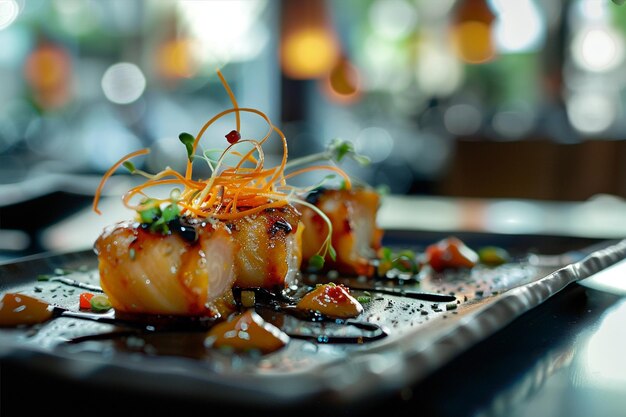
The contemporary interpretation of fusion cuisine is defined by its spirit of innovation and unexpected combinations. Chefs are experimenting with dishes like sushi tacos, which merge traditional Japanese sushi rolls with the Mexican taco format, inviting diners to experience these unique flavor profiles in exciting new ways. Likewise, curry pizza combines Indian spices with Italian pizza bases, showcasing how culinary techniques can transcend their geographical origins.
Urban Fusion Havens
Cities such as Los Angeles and New York serve as culinary capitals, exemplifying the essence of fusion cuisine in their rich food scenes. Street food vendors and trendy restaurants alike offer an array of dishes that reflect the city’s diverse demographics. In New York, for example, the emergence of “Korean BBQ tacos” brings together the vibrant flavors of Korean marinated meats and traditional Mexican tortillas, attracting food enthusiasts eager to try something new.
As we delve deeper, we uncover that fusion cuisine not only represents an evolution of culinary practices but also fosters a dialogue between flavors and traditions. This culinary evolution invites both chefs and diners to embark on a shared journey of discovery and creativity. The world of fusion cuisine is not just about food but also about connection, celebrating our diverse heritage while looking towards the future of gastronomic artistry.
DIVE DEEPER: Click here to uncover hidden culinary treasures
The Evolution of Culinary Styles
The fascinating journey of fusion cuisine is not simply a product of modern gastronomical endeavors; rather, it is a rich tapestry woven from centuries of exploration, migration, and integration of cultures. Historical milestones such as trade routes, conquests, and even the Age of Exploration laid the groundwork for today’s diverse culinary landscape. Understanding these contexts allows us to appreciate how different flavors, techniques, and traditions converge to create extraordinary dishes.
As early as the 14th century, the Silk Road facilitated not only the exchange of goods but also the intertwining of culinary practices. Along this route, merchants and travelers carried spices, herbs, and cooking methods that changed the way societies prepared and consumed food. For instance, the introduction of spices from India into European kitchens heralded a revolution in flavor, transitioning bland diets into vibrant feasts that delighted the palate.
Similarly, the era of colonization played a critical role in the evolution of fusion cuisine. As European powers expanded their territories, they brought back a wealth of new ingredients, which blended with local practices to give rise to unique culinary identities. One prominent example is the emergence of Latin American cuisine, where European cooking techniques were enriched by indigenous ingredients such as corn, beans, and chilies, resulting in rich flavors that define the region today.
The Role of Global Migration
The story of fusion cuisine is incomplete without acknowledging the profound impact of migration. Immigrants have been instrumental in shaping and transforming culinary landscapes by introducing their traditional dishes into new environments. Major movements throughout the 19th and 20th centuries saw diverse groups settling in the United States, each bringing their culinary heritage into the mix.
- Italian immigrants popularized pizza and pasta, which were then adapted in various forms across the nation.
- Chinese immigrants introduced stir-fry techniques, leading to American-Chinese dishes like General Tso’s Chicken.
- Mexican communities have long influenced American taste buds with tacos, enchiladas, and burritos, evolving these recipes into a distinctive style recognized as Tex-Mex.
This melange of cultural influences can be seen in thriving urban areas, where food trucks and restaurants offer a kaleidoscope of flavors. The popularization of hybrid dishes, like ramen burgers and sushi burritos, showcases how chefs are embracing the freedom to blend culinary inspirations from various traditions into cohesive, creative meals.
Each fusion dish serves as a cultural touchpoint, allowing diners to experience a taste of history embodied in flavors that may seem unexpected yet harmonious. This exploration reaffirms that food, much like society itself, is constantly evolving and influenced by diverse backgrounds, making the evolution of fusion cuisine both a remarkable and relatable narrative.
The Evolution and Impact of Fusion Cuisine
Fusion cuisine has transformed the culinary landscape by merging diverse culinary traditions, techniques, and ingredients, leading to a vibrant tapestry of flavors that is both innovative and reflective of our global society. This blending of flavors began gaining momentum in the late 20th century, propelled by increased global travel, immigration, and the quest for new culinary experiences. Famous chefs like Wolfgang Puck and Nobu Matsuhisa became pioneers in popularizing fusion dishes, combining flavors from various cultures, such as Asian ingredients with classic French techniques, thereby drawing attention to this unique gastronomic approach.One of the most quintessential examples of fusion cuisine is the delightful marriage of Mexican and Japanese flavors, popularly known as “Nikkei cuisine.” This culinary hybrid showcases the exquisite interplay of fresh sushi with vibrant salsas, marrying the umami flavors of Japan with the zest and warmth of Mexico. Meanwhile, Chinese and Italian fusion has brought forth innovative dishes like Chinese-style pasta, infusing traditional Italian recipes with distinctive Chinese spices and cooking methods.Furthermore, fusion cuisine is not limited to high-end restaurants but also permeates street food and home cooking. This accessibility encourages culinary experimentation, allowing food enthusiasts to explore new flavor pairings in everyday meals. The rise of social media has played a significant role in this evolution, providing a platform for aspiring chefs to share their creative concoctions and inspiring others to push the boundaries of traditional cooking. It’s essential to recognize that fusion cuisine goes beyond mere culinary invention; it serves as a cultural dialogue, providing a deeper understanding of how different culinary practices influence one another. This exchange not only enriches the dining experience but also invites diners to appreciate the nuance and richness behind each ingredient, cooking style, and cultural significance.In this modern culinary movement, understanding the histories and traditions behind each dish is crucial. As diners explore the vibrant world of fusion cuisine, they engage in an ongoing story—a narrative of tradition, evolution, and the unending quest for flavor innovation that retains the essence of its origins while encouraging new interpretations. This delightful interplay of cultures and cuisines signifies a broader trend towards culinary inclusivity, where different foods come together to create something greater than their parts. Stay tuned for our upcoming features on exemplary fusion dishes and their backgrounds, further revealing how this culinary art form continues to shape our dining experiences today.
DISCOVER MORE: Click here to dive deeper
The Influence of Technology and Globalization
As we delve deeper into the rich fabric of fusion cuisine, the influence of technology and globalization emerges as significant catalysts for culinary innovation. With the dawn of the 21st century, advancements in technology have transformed how chefs and home cooks alike discover, prepare, and share culinary creations. The rise of the internet and social media platforms, such as Instagram and TikTok, has allowed for the rapid spread of culinary trends and ideas across the globe at an unprecedented scale.
One striking example of this phenomenon is the viral sensation of korean barbecue tacos, a delightful merge of traditional Korean flavors with Mexican street food. This dish encapsulates the power of social media to create awareness and appreciation for fusion dishes that might have otherwise remained local curiosities. Chefs, armed with the tools of the digital age, can share their culinary exploits, experiment with unique ingredient combinations, and gain instant feedback from a global audience, effectively creating a vibrant and interactive culinary community.
The Role of Ethnic Grocery Stores
Moreover, the proliferation of ethnic grocery stores within the United States has facilitated the accessibility of diverse ingredients, which has, in turn, encouraged home cooks to experiment with fusion cooking. These markets offer a treasure trove of spices, produce, and cooking staples that reflect the culinary heritage of various cultures. As the demand for authentic ingredients continues to rise, the ability to source these items has never been easier, leading to a flourishing of home-crafted fusion dishes.
In cities like Los Angeles and New York, food enthusiasts increasingly frequent these markets, where they discover items such as Japanese miso, Indian garam masala, and Haitian pikliz, blending them into dishes that defy traditional geographic boundaries. The creativity seen in these kitchens is an homage to the chefs and home cooks who embrace the rich tapestry of cultural influences, elevating their culinary skills and expanding their palates.
Culinary Education and Experimentation
Institutions offering culinary education have also recognized the value of fusion cuisine. Culinary schools now emphasize the importance of understanding global flavors and cooking techniques, equipping aspiring chefs with the skills to innovate. Programs often include modules on cross-cultural cooking and offer workshops that encourage experimentation and the creation of hybrid cuisines that resonate with both tradition and modernity.
Additionally, pop-up restaurants and food festivals have become epicenters of culinary experimentation, showcasing chefs who redefine conventional fare. Festivals like the New York City Food & Wine Festival and Los Angeles Food & Wine Festival celebrate culinary diversity, featuring chefs who integrate flavors from multiple cultures into single, extraordinary dishes. Such events cultivate an environment where a molecular gastronomy approach might seamlessly meet traditional techniques, as chefs strive to push the boundaries of what fusion cuisine can achieve.
This journey through the multifaceted world of fusion cuisine highlights how historical influences and modern innovations converge, allowing a symphony of flavors from around the globe to thrive and evolve. As we explore the vibrant landscapes of culinary creativity, it becomes evident that fusion cuisine is much more than a trend—it is an ongoing narrative that celebrates interconnectedness through food.
DISCOVER MORE: Click here to uncover the fascinating history of spices
Conclusion: A Culinary Journey of Innovation
In exploring the history of fusion cuisine, we uncover a vibrant tapestry woven from countless cultural influences, historical events, and modern innovations. This culinary movement celebrates not only the blending of flavors but also the meeting of diverse traditions and techniques, drawing from the past while embracing the future. As chefs navigate the complexities of taste and texture, their artistry exemplifies how food can transcend boundaries, fostering connections among communities and cultures.
The role of technology, particularly through social media, has played a crucial part in this culinary evolution, allowing ideas to flourish and spread rapidly. From humble beginnings to viral sensations, dishes like korean barbecue tacos embody the potential of fusion cuisine to create new culinary narratives that resonate with diverse audiences. Similarly, the growth of ethnic grocery stores gives home cooks unprecedented access to authentic ingredients, empowering them to explore and innovate within their own kitchens.
Furthermore, culinary education has adapted to emphasize the importance of understanding global flavors, paving the way for a new generation of chefs able to navigate this rich intersectionality. Pop-up restaurants and food festivals play an essential role in showcasing this ever-evolving landscape, where culinary experimentation thrives.
As fusion cuisine continues to reshape dining experiences around the world, its history serves as a reminder of the beauty found in diversity and collaboration. With the potential for growth and transformation at every turn, the narrative of fusion cuisine invites us to keep our palates open and our minds curious as we venture into uncharted culinary territories.