
Uncovering Flavor’s Essence
The world of herbs and spices is a rich tapestry, filled with bold and nuanced flavors that can elevate any culinary creation. From the sweet, warm notes of cinnamon to the intense heat of cayenne pepper, these essential ingredients play a critical role in defining the character of cuisines around the world. By understanding their unique properties and effects, anyone can elevate their cooking and savor a broader spectrum of taste.
Flavors That Define Cultures
Each region has its own distinct flavor profile, intricately woven into the fabric of its history and culture. For instance, in Italian cuisine, the fragrant aroma of fresh basil and the earthy depth of oregano are pivotal. A classic Margherita pizza wouldn’t have a soul without these herbs, which offer a taste of Italy’s sun-drenched fields. In Indian cuisine, the breadth of flavors is showcased through complex spice blends such as garam masala and curry powder, which transform simple ingredients into fragrant, multi-layered dishes. Dishes such as tikka masala rely heavily on this spice mix, creating a culinary identity that is vibrant and enticing. Meanwhile, in Mexican dishes, ingredients like cumin and various types of chili peppers contribute spice and depth, adding the characteristic warmth found in tacos and enchiladas.
This diverse usage of herbs and spices not only enhances dishes but also shapes the identity of culinary traditions. Each herb and spice carries a story, deeply connected to the land it hails from and the people who cultivate them, further underscoring the cultural significance of food.
The Science of Flavor
Exploring the effects of herbs and spices extends beyond mere taste; it delves into their health advantages and aromatic richness. Numerous studies reveal that many herbs are packed with antioxidants, which can combat oxidative stress that contributes to chronic diseases. For example, rosemary and oregano are known to be rich in these beneficial compounds. Additionally, spices such as turmeric are noted for their anti-inflammatory properties, making them a staple in both health-focused diets and cooking.
Moreover, certain spices can positively impact metabolism and enhance digestive health. For example, ginger is renowned for its ability to alleviate nausea and promote digestive wellness, while cayenne pepper is linked to boosting metabolism due to its active compound, capsaicin.
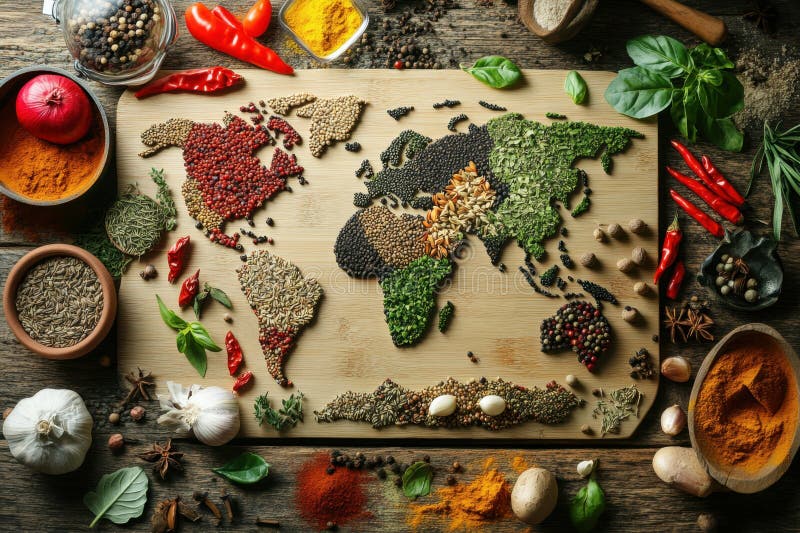
As you experiment with these culinary marvels, delve deep into the fascinating interplay of flavor and health benefits they offer. Understanding the properties of herbs and spices not only enriches your dishes but also broadens your culinary palate, encouraging creativity and exploration in the kitchen. Embrace the world of flavors, as it invites you to discover not just recipes, but also cultural stories that have shaped the art of cooking for centuries.
DIVE DEEPER: Click here to learn more about the influence of spices
Herbs and Spices: A Culinary Journey
When embarking on a culinary journey, herbs and spices serve not just as flavor agents but as essential storytellers of culture and tradition. Their influence stretches far beyond the kitchen, echoing through the marketplace of ideas, customs, and shared experiences. Each herb or spice weaves a tale, offering a glimpse into the regions from which they originate, the climates they flourish in, and the hands that harvest them.
Regional Signatures in Flavor
Across the globe, distinct culinary traditions offer a showcase of how local herbs and spices define a region’s identity. In the American South, the use of cayenne pepper and paprika in dishes like gumbo and jambalaya exemplifies the vibrant and fiery flavor profile that characterizes Southern cuisine. The infusion of these spices not only adds heat but creates a depth of flavor that resonates with cultural heirlooms.
Meanwhile, in Mediterranean cuisine, the harmony of rosemary, thyme, and parsley sets a foundational backdrop for famous dishes like lamb and ratatouille. These herbs provide a fragrant, fresh balance that perfectly mirrors the sunlit landscapes of the region. In contrast, Middle Eastern kitchens boast an intricate tapestry of flavors with spices like cumin, cardamom, and sumac, utilized in dishes such as shawarma and pilaf. This cultural specificity points to an essential truth: flavors are deeply rooted in tradition and locality.
The Flavor Spectrum
The diversity of flavors can be categorized into several key profiles, helping both novice and experienced chefs curate their culinary creations. Here are some prominent flavor categories to explore:
- Sweet: Often found in herbs like cinnamon and anise, these flavors lend warmth and comfort to both sweet and savory dishes.
- Savory (Umami): Ingredients such as oregano and sage contribute rich, mouth-filling sensations that enhance the overall taste profile of a dish.
- Spicy: From black pepper to ginger, these herbs and spices add heat and complexity, inviting adventurous palates to explore bold flavors.
- Herbaceous: Fresh elements like cilantro and mint brightens dishes, adding an invigorating touch that enlivens the senses.
- Bittersweet: Ingredients like raw cocoa and certain herbal infusions can bring interesting depth, complementing more prominent flavors.
This culinary spectrum reveals the delicate balance between flavor and culture, showcasing how our tastes can transcend geographical boundaries. As you venture into cooking with various herbs and spices, consider their ability to evoke memories and emotions—each sprinkle a reminder of the diverse traditions and identities that mold our global cuisine.
Unraveling the Complexity of Global Flavors
Herbs and spices serve as the backbone of culinary traditions worldwide, transforming simple dishes into flavorful masterpieces. Each culture has its unique selection, imparting not only taste but also cultural significance. For instance, the use of saffron in Mediterranean cuisines not only beautifies the plate with its golden hue but also infuses mysterious depths of flavor that speak to ancient trading routes and the luxurious lifestyles of the past. Similarly, cumin finds its way into a plethora of Middle Eastern dishes, symbolizing warmth and hospitality.As we explore further, it becomes evident that the role of these flavor enhancers goes beyond mere palate pleasure. They are integral to health, as many herbs and spices boast medicinal properties. Turmeric, widely known for its anti-inflammatory benefits, has carved its niche in both culinary practices and health regimens, showing how an ingredient’s impact can span both the kitchen and the apothecary.The synergy of spices in cooking often portrays a rich tapestry of cultural identity, revealing stories through flavors passed down generations. The spice trade, historically a formidable force, has been the driving factor for culinary fusions across continents. Dishes like curry, which blends Indian spices with local ingredients wherever it travels, illustrate the versatility and adaptability of flavors drawn from various heritages. As cultures continue to interconnect, the fascinating evolution of recipes showcases the enduring love affair between food and flavor.In guiding the reader through this exploration, it is essential to highlight how global cuisine is not only about eating but also about relishing a story that transcends borders. Curiosity about how specific combos can elevate a meal encourages culinary creativity and invites chefs, both amateur and professional, to experiment with rich, aromatic blends that pay homage to tradition while fostering innovation.
| Advantages | Key Features |
|---|---|
| Enhanced Flavor | Incorporating various herbs and spices amplifies the taste experience in culinary dishes. |
| Health Benefits | Many herbs and spices offer medicinal properties, contributing to overall well-being. |
In delving into the world of herbs and spices, we not only embrace their contributions to flavors but also recognize their deeper, cultural connections that continue to evolve. The next step is to investigate these relationships further and identify how we can use herbs and spices to create our flavorful expressions of global cuisine.
DISCOVER MORE: Click here to learn about the evolution of traditional dishes
The Art and Science of Flavor Pairing
Understanding how to combine different herbs and spices unlocks a world of culinary potential. The concept of flavor pairing is not just an art; it is also rooted in science. The chemical compounds present within various herbs and spices can enhance or complement one another, which can result in harmonious combinations that elevate dishes to new heights. For instance, the pairing of basil and tomato is a classic in Italian cuisine, as both share complementary aromatic compounds that create a well-rounded flavor experience.
Similar principles can be observed in dishes from different regions where unique flavor pairings are the hallmarks of classic recipes. In Indian cuisine, the combination of turmeric and coriander in curry blends showcases how native spices collectively create complex flavors that resonate with cultural identity. Not only do these pairings enhance taste, but they also reinforce the medicinal qualities that many herbs and spices possess, often rooted in traditional practices.
The Global Impact of Herbs and Spices on Modern Cuisine
As the world becomes increasingly interconnected, the cross-pollination of culinary traditions introduces new experiences and palettes. Globalization has allowed ingredients once limited to specific regions to flourish on international tables. For example, the introduction of sriracha, a Thai hot sauce made with chilies, garlic, and vinegar, has found its way into American cuisine, bringing a fresh depth of flavor to everything from burgers to popcorn. Furthermore, the popularity of matcha, a finely ground green tea powder from Japan, has surged beyond traditional boundaries, entering the realm of desserts, smoothies, and even savory dishes.
This blending of flavors not only diversifies culinary techniques but amplifies the cultural narratives behind food. In the United States, immigrant populations have brought their traditional spices into everyday cooking, enriching the flavor profiles of mainstream dishes. Take, for example, cumin and coriander, which have become staples in American taco joints, reflecting the rise of Mexican cuisine’s influence in various American kitchens.
The Role of Sustainability in Herb and Spice Cultivation
As we explore these exciting culinary dimensions, it is pertinent to consider the impact of environmental sustainability on the herbs and spices we choose. Many herbs and spices are grown in specific climates, making their availability susceptible to climate change and agricultural practices. Organic farming methods that emphasize biodiversity, soil health, and water conservation are gaining traction as consumers become increasingly aware of the growing challenges faced by traditional farming techniques. Supporting sustainable sources not only enhances the quality of flavors but also contributes to a healthier planet and food system.
Additionally, the appreciation for foraging has found a resurgence in home cooking. Many chefs are turning to wild herbs and spices that are native to specific regions, introducing diners to flavors that reflect global ecosystems while respecting local agricultural practices. This evolution in sourcing ingredients creates dynamic conversations around flavor and sustainability, inviting cooks to experiment with native varieties and incorporating them into modern dishes.
A culinary exploration of herbs and spices transcends mere flavor; it is an invitation to engage with the world around us, igniting curiosity about the stories behind what we consume. The exploration of global herbs and spices continues to inspire contemporary cookery, embodying the spirit of cultural exchange and highlighting the impact of flavors on our everyday meals.
DIVE DEEPER: Click here to uncover more about sustainable cuisine
Conclusion
In summary, delving into the world of herbs and spices reveals a rich tapestry of flavors that significantly shapes global cuisine. The exploration of these aromatic ingredients not only enhances the palatability of our meals but also fosters a deeper understanding of cultural identities and culinary histories. From the classic pairings like basil and tomato in Italian cooking to the vibrant mixes of turmeric and coriander in Indian curries, the chemistry of flavor combinations lays the groundwork for culinary creativity.
Moreover, the current culinary landscape provides an exciting opportunity for experimentation and fusion. As seen with the rise of flavors like sriracha and matcha in American dishes, the globalized nature of food encourages the blending of traditional ingredients, paving the way for new gastronomical experiences. This cultural exchange not only invigorates our meals but also highlights the interconnectedness of our food systems.
However, alongside flavor exploration, we must also prioritize sustainability in herb and spice cultivation. As climate challenges arise, adopting organic farming practices and embracing foraged ingredients can help maintain the quality of our flavor sources while ensuring the health of our planet. Ultimately, this journey through the vibrant world of herbs and spices invites us to expand our palates and fuels our culinary curiosity, encouraging us to appreciate the stories and traditions behind the flavors we encounter on our plates.