
Unleashing Flavor Through Spices
Spices have long been the heart and soul of culinary traditions around the globe. They are not just ingredients; they are the essential elements that transform simple dishes into tantalizing experiences. A dash of cumin here, a sprinkle of paprika there, and suddenly, the meal sings with flavor.
Exploring Diverse Flavor Profiles
Different cultures utilize spices to create distinct flavor profiles. These profiles reflect geographical, historical, and cultural nuances. Consider these examples:
- Indian Cuisine: Rich spices like turmeric, cardamom, and coriander are foundational to Indian cooking. Turmeric not only adds a vibrant yellow hue to curries but is also celebrated for its anti-inflammatory properties. Cardamom, which can be found in both sweet and savory dishes, offers a complex flavor that is invigorating and aromatic, while coriander brings a citrus undertone that brightens the palate.
- Mexican Cuisine: Ingredients such as chili peppers and cinnamon create the hallmark heat and sweetness that define Mexican food. The wide variety of chili peppers, from the mildly sweet poblano to the fiery habanero, allows cooks to customize the level of spice in their dishes. Cinnamon is often used in surprising ways, enhancing sauces and moles with its warm sweetness, making it crucial for both sweet and savory dishes.
- Italian Cuisine: Herbs like basil and spices like oregano elevate even the simplest dishes, enhancing the natural flavors of ingredients. Fresh basil adds a fragrant burst to pasta sauces, while dried oregano delivers a robust taste that is essential in recipes such as pizza. Understanding the use of these herbs can turn a basic marinara sauce into an extraordinary culinary experience.
Every locale has its signature spices, which tell a story of tradition and creativity. Understanding these ingredients opens a door to exploring not just flavors but also the cultural identity of a region. For instance, when you savor a Thai curry, the incorporation of lemongrass, galangal, and fish sauce speaks not only to the ingredients available but also to the storied history and climate of Thailand, where these flavors developed over centuries.
Why Spices Matter
The significance of spices in cooking transcends taste; they serve as cultural symbols that bind families and bring communities together. In the United States, for example, the annual celebration of Thanksgiving often includes spices like sage and cinnamon, which evoke deep-rooted traditions and cherished memories. Festivals and gatherings frequently revolve around the preparation of meals seasoned with spices that hold historical or familial significance, such as recipes passed down through generations.
As we venture into the world of spices, we uncover not just flavor but the rich tapestry of human experience. Each spice carries with it stories of trade, migration, and fusion. Delving into spices is akin to exploring a cultural encyclopedia, revealing the interconnections between food, history, and community. Thus, by understanding and utilizing spices, we not only enrich our dishes but also deepen our appreciation for the diverse culinary legacies that shape our world.
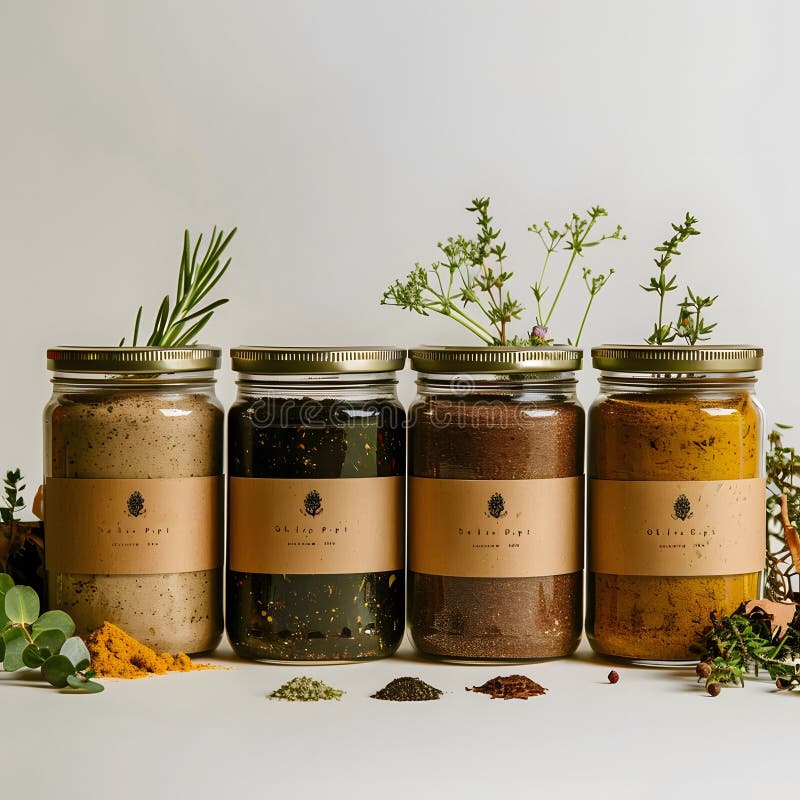
DISCOVER: Click here to learn more about culinary diversity shaped by migration
The Science Behind Flavor and Aroma
The transformative power of spices lies not only in their taste but also in their ability to evoke emotions and memories. New research in sensory science reveals that our perception of flavor is a complex interplay between taste, aroma, and texture. Spices enhance these sensory experiences, giving rise to the unparalleled flavor profiles that define various cuisines. Understanding the unique characteristics of spices allows cooks to artfully compose dishes that resonate with diners on multiple levels.
Building Blocks of Flavor
Spices can be categorized into various types based on their roles and flavor characteristics. Exploring these categories helps chefs create layered, harmonious dishes. Here are some essential categories of spices and their contributions:
- Heat-Generating Spices: Ingredients such as cayenne pepper, black pepper, and ginger are known for their ability to add heat to dishes. These spices not only ignite the taste buds but can also enhance the perception of sweetness and richness in food, creating a more satisfying culinary experience.
- Aromatic Spices: Spices like cinnamon, cardamom, and anise are celebrated for their fragrant properties. The aromas these spices release can transport diners to different places, invoking a sense of nostalgia or cultural connection. The scent of freshly ground spices often raises anticipation before a meal even begins.
- Earthy Spices: Ingredients such as cumin and turmeric add depth and warmth to dishes. Their grounding flavors serve to balance other spices, creating complexity in dishes. Turmeric, renowned for its vibrant color and anti-inflammatory characteristics, adds an earthy undertone to many Indian and Middle Eastern cuisines.
- Fresh and Bright: Some spices, including coriander and lemon zest, bring a fresh and zesty quality to food. These spices often help in lifting heavier flavors, cutting through richness and enhancing the overall flavor profile.
Considering these categories of spices reveals the subtle nuances that can dramatically change a dish’s character. Cooks across the globe utilize this spice knowledge, skillfully blending flavors to create traditional dishes that tell a story. An Italian risotto, for example, might be elevated by the addition of saffron, which imparts not only color but also a luxurious depth of flavor, distinguishing it from other rice dishes.
The Cultural Landscape of Spices
Cuisines evolve through history and migration, with spices serving as markers of cultural identity. In countries like India, the spice trade shaped economic development and cuisine, making spices invaluable to both daily meals and festive occasions. The French, too, have famously elevated the use of herbs and spices in culinary artistry, inspiring a worldwide appreciation for precision and technique.
As we engage with the culinary world, understanding the role of spices offers deeper insights into cultural practices and shared histories. Whether it’s through a comforting bowl of chili during a crisp autumn evening or a spicy Thai curry that ignites the senses, spices continue to weave their narratives into the fabric of our dining experiences, heightening the flavor and enriching our understanding of different cuisines around the world.
Spices have long been more than just mere flavor enhancers; they are integral in defining the identity of a cuisine, weaving history, culture, and geographical influences into every dish. Each culinary tradition boasts a unique blend of spices that contributes to its distinct flavor profile. For example, Indian cuisine utilizes a complex combination of spices such as cumin, coriander, and turmeric, creating layers of flavor that are both aromatic and savory. In contrast, Mediterranean dishes often highlight oregano and rosemary, imparting a fresh and earthy character beloved worldwide.Moving to Southeast Asia, ginger and lemongrass are vital in Thai cuisine, providing a zingy, zesty contrast to the sweetness of coconut milk and the heat of chilies. The careful balance of spices not only influences taste but also reflects the region’s climatic conditions, agricultural practices, and social customs. Furthermore, spices act as preservative agents, shaping culinary practices and promoting health.Spices also connect cultures through their fascinating historical journeys. Open up a world of culinary possibilities as you explore how the famous Silk Road enabled the exchange of spices between East and West, enriching traditions while introducing new flavors and techniques. As you delve deeper into your culinary adventures, the ability to understand and appreciate the significance of spices will undoubtedly enhance your cooking skills and broaden your palate, inviting you to experience the global tapestry of flavors crafted over centuries.
DISCOVER MORE: Click here to delve into culinary traditions
Spices as Catalysts of Culinary Innovation
Beyond their traditional uses, spices have become vital components in the realm of culinary innovation. Contemporary chefs are increasingly leveraging spices to explore uncharted territories of flavor, often blending elements from different cuisines to create unique dishes that resonate with a global audience. This modern approach to spice utilization allows for the reimagining of classic recipes, enticing diners with novel experiences while honoring culinary traditions.
Fusion Cuisine and the Creativity of Spices
The concept of fusion cuisine is a prime example of how spices can redefine flavor profiles. By merging culinary traditions, chefs are able to create unexpected, yet delightful, combinations. For instance, the use of kimchi—a staple in Korean cuisine—has found its way into various dishes, from tacos to ramen, often accompanied by spices like gochugaru (Korean red pepper flakes) to maintain authenticity. This creative application of spices not only celebrates cultural diversity but also highlights the versatility that spices offer.
Furthermore, spices play a pivotal role in elevating dishes that may otherwise be regarded as mundane. A simple grilled chicken dish can transform into a breathtaking culinary creation with the addition of harissa, a North African chili paste that combines spices such as cumin, coriander, and caraway. As chefs experiment with various spice blends, they can evoke a sense of adventure, encouraging diners to step outside their comfort zones and embrace unfamiliar flavors.
Spices in the World of Health and Wellness
Beyond their flavor-enhancing properties, spices are increasingly recognized for their health benefits. Ingredients like turmeric and ginger, which have been used in traditional healing practices for centuries, are now celebrated in modern wellness trends. The incorporation of these spices into everyday cooking serves to not only enhance flavor but also provide nutritional value. The increasing interest in health-conscious eating allows spices to play a dual role in the culinary landscape—acting as both flavor enhancers and functional ingredients.
Restaurants and food brands are capitalizing on this trend by marketing dishes rich in spices, promoting not just their unique flavor profiles but also their health benefits. For instance, dishes featuring cayenne pepper are touted for their potential metabolism-boosting properties, while cinnamon is known for its ability to regulate blood sugar levels. As a result, spices are becoming essential in the development of well-rounded, wholesome recipes that cater to health-conscious consumers.
Preservation and Cultural Heritage
The role of spices extends into preservation, reflecting cultural heritage and regional identity. During historical periods of exploration and trade, spices were not merely ingredients; they represented power and wealth. The infamous spice routes paved the way for cultural exchanges, fostering the integration of flavors worldwide. In today’s culinary context, the preservation of traditional spice blends, such as those found in Indian and Middle Eastern cuisines, ensures that the rich tapestry of these cultures is maintained and celebrated.
Understanding the significance of these spices in their historical narratives adds a layer of depth to contemporary dining experiences. Chefs who honor these traditional blends—such as garam masala in Indian cooking or za’atar in Middle Eastern cuisine—not only pay homage to their roots but also educate diners about the intricate histories and cultural practices that accompany these flavors.
In this ever-evolving culinary landscape, spices remain a dynamic force, shaping dishes, cultures, and appetites across the globe. The intricate dance of flavor and the stories they tell continue to inspire chefs and food enthusiasts alike, inviting them to explore, innovate, and savor the rich world of spices in their culinary adventures.
DISCOVER MORE: Click here to delve into the world of saffron
Conclusion: The Lasting Impact of Spices in Gastronomy
In conclusion, spices are not just mere ingredients; they serve as the cornerstone of culinary creativity, bridging flavors and cultures to create unique dining experiences. Their ability to transcend geographical boundaries and adapt to various cooking styles is a testament to their versatility and importance in global cuisine. From the vibrant markets of Istanbul to the cozy kitchens of American homes, spices like cumin, paprika, and cardamom bring life to dishes and tell stories of tradition, heritage, and innovation.
As the world increasingly embraces a multicultural approach to food, the fusion of disparate culinary practices through the strategic use of spices enriches our palates while fostering greater understanding among diverse cultures. The emerging trend of health-conscious dining further underscores the dual role of spices; enhancing flavor while delivering valuable health benefits. These humble ingredients, revered for centuries, continue to have a profound impact on our culinary choices.
Ultimately, the art of spice usage invites chefs and home cooks alike to explore new flavor dimensions and challenge the status quo of traditional recipes. As you embark on your culinary journey, remember that every pinch of spice has the potential to transform a dish, making it not just a meal, but a celebration of culture and creativity. Whether you are delving into the spicy depths of Indian curry or the fragrant world of Mediterranean dishes, the essence of spices will elevate your culinary adventures and create memorable flavors that resonate long after the meal is over.