How Strategy Games Can Enhance Mental Agility and Problem-Solving
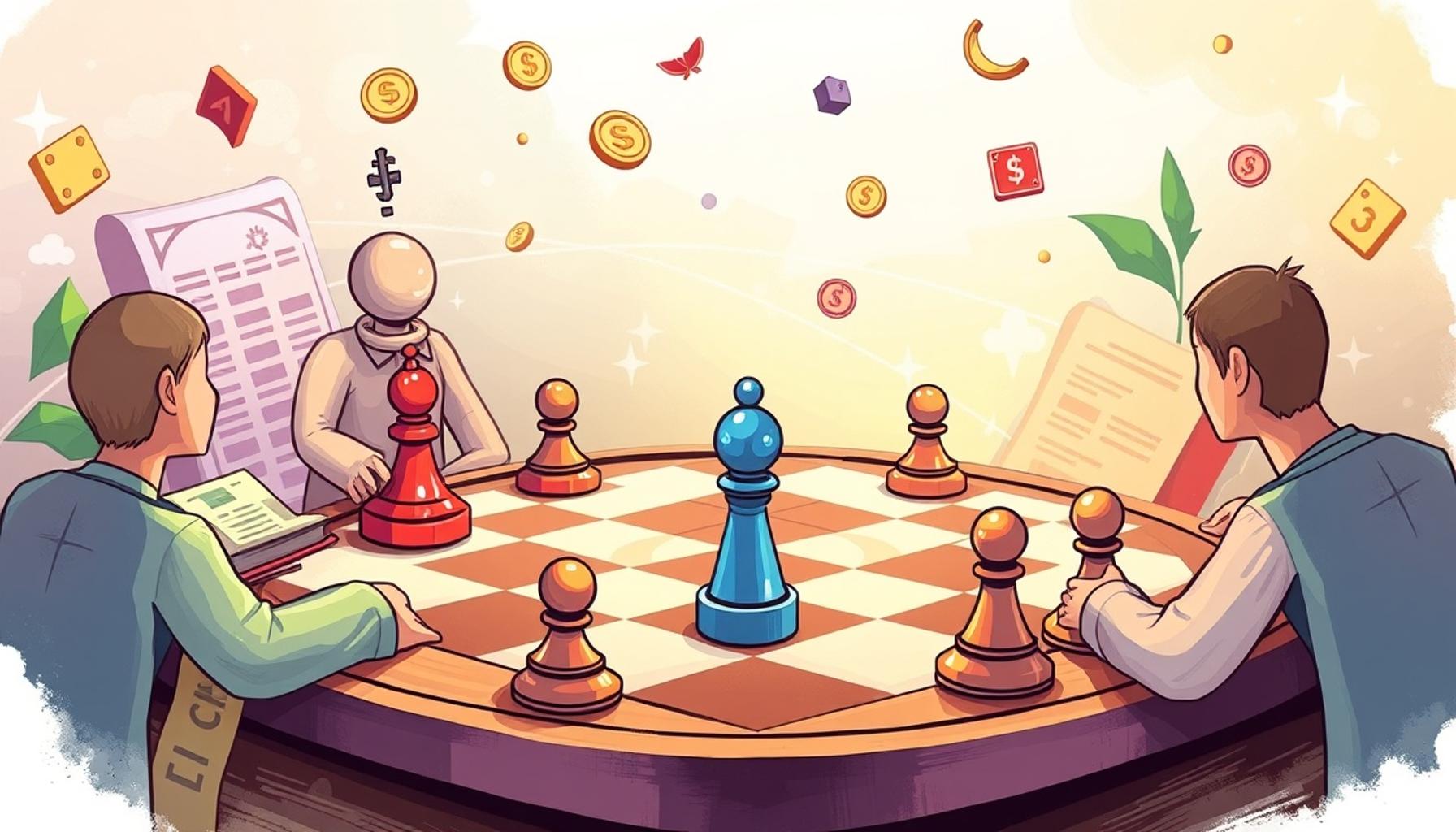
The Cognitive Benefits of Engaging in Strategy Games
In an era marked by rapid technological advancements and information overload, honing one’s ability to think critically and adapt quickly is crucial for success. Strategy games have gained prominence as powerful tools for those seeking to enhance their cognitive skills. These games offer more than mere entertainment; they provide a stimulating environment that cultivates mental agility and problem-solving abilities. Through engaging with these complex scenarios, players develop valuable skills that can be applied in various facets of life.
Key Benefits of Strategy Games
By immersing oneself in strategy games, players can experience a myriad of benefits. Consider the following:
- Improved Critical Thinking: Players must constantly analyze diverse scenarios during gameplay, weighing various options and outcomes before making informed decisions. For instance, in chess, predicting an opponent’s moves requires both strategic foresight and adaptability. This analytical mindset extends into real-life situations, enabling individuals to make better choices in work or personal conflicts.
- Enhanced Memory Retention: Strategy games often require players to recall previous moves and strategies, which sharpens memory capabilities. A game like Starcraft forces players to memorize unit types and their strengths to outsmart opponents. Enhanced memory skills can benefit professional environments, especially those that demand multitasking or quick recall of information.
- Increased Focus: The fast-paced nature of these games fosters deeper concentration. Players learn to tune out distractions to maintain their strategic edge, an ability that translates powerfully into the workplace. Studies have shown that improved focus can lead to enhanced productivity and creativity in problem-solving tasks.
The Evolution of Strategy Games
From timeless classics like chess to modern behemoths like Civilization, strategy games challenge players to think several steps ahead. Such games encourage not just strategic planning but also creativity, presenting players with opportunities to devise innovative solutions. The intricate dynamics involved in these games can lead to novel problem-solving techniques applicable in personal or professional contexts.
The Scientific Link Between Gaming and Cognitive Performance
Research increasingly illustrates a definitive connection between engaging in strategy games and improved cognitive performance. Studies conducted by institutions such as the University of California, Irvine, have found that video game play can improve both spatial and cognitive skills. This has actionable implications for education, where cultivating mental fitness through gaming can prepare students for the complexities of modern careers.
With the rising popularity of eSports and competitive gaming, more individuals are recognizing the profound impacts of gaming on essential life skills. As conversations around education and mental fitness evolve across the United States, strategy games will likely continue to play an instrumental role in developing well-rounded, adaptable thinkers capable of navigating the complexities of the contemporary world.

DISCOVER MORE: Click here to dive deeper
Diving Deeper into the Mechanics of Strategy Games
The structure of strategy games operates like a dynamic chessboard, where players are tasked with navigating complex scenarios that require not only forward-thinking but also the capacity to adapt based on the ever-changing landscape within the game. Whether it’s a classic board game or a high-tech video game, these platforms encourage players to employ analytical reasoning, simulation, and foresight in order to succeed. The multifaceted nature of strategy games interweaves several cognitive benefits that players can harness both in-game and in real life.
The Role of Risk Assessment
One vital element of strategy gaming is risk assessment. Players must frequently evaluate the potential consequences of their decisions while balancing aggression and caution. In games such as Risk or Axis & Allies, players are often required to weigh the potential gains of launching an attack against the possible repercussions of failure. This critical evaluation fosters a keen awareness of risk management, a skill that translates seamlessly into various life scenarios, from business negotiations to personal relationships.
Strategic Planning and Execution
- Long-Term Vision: Players learn to form a coherent strategy that spans several turns, encouraging them to think beyond immediate rewards and towards ultimate objectives.
- Resource Management: Many strategy games, including Age of Empires, require players to manage limited resources effectively, an experience that hones budgeting skills and the ability to prioritize tasks.
- Team Collaboration: In team-based strategy games, such as League of Legends, communication and teamwork become pivotal, instilling valuable collaboration skills that are essential in modern-day work environments.
Such skills are not just theoretical; they manifest in quantifiable improvements in players’ real-life outcomes. A study conducted by Oxford University revealed that strategic gameplay correlates with better performance in tasks involving problem-solving and adaptability. Participants who engaged regularly with strategy games outperformed their peers in tests of critical thinking and resource allocation.
Embracing Failure as a Learning Tool
Another crucial aspect of strategy games is their inherent ability to teach players about failure. Losing a match prompts immediate reflection and adjustment of tactics. This concept of learning from setbacks is vital in an ever-changing world where adaptability is key. Players develop resilience, understanding that failure is a stepping stone to success rather than an endpoint. This learning process enhances their ability to approach real-world problems with a flexible mindset, ready to pivot and adjust strategies as situations evolve.
As the landscape of education and skill development shifts, incorporating strategy games into personal and professional training programs offers a potentially transformative path for developing focus, memory, and problem-solving skills. By embracing the multi-layered benefits of these games, individuals are not only enhancing their mental agility but also equipping themselves with essential tools for navigating life’s complexities.
Unpacking Mental Agility through Strategy Games
In the realm of cognitive development, strategy games stand out as a powerful tool to refine mental agility and enhance problem-solving skills. The immersive experience of tackling complex challenges in these games encourages players to think critically, plan ahead, and adapt to ever-changing scenarios. From classic board games like chess to modern video game franchises, the variety of strategy games available today caters to diverse interests while simultaneously stimulating cognitive growth.
The Mechanics Behind Problem-Solving in Strategy Games
At the heart of strategy games lies the concept of problem-solving. Players must often assess multiple variables, forecast their opponents’ moves, and make decisions based on incomplete information. This process not only hones analytical thinking but also improves the ability to strategize effectively under pressure. For instance, games like “Civilization” require players to balance resources, engage in diplomacy, and wage wars, prompting critical thinking and flexible strategy adjustments.Then there’s the aspect of collaboration in multiplayer strategy games. Players work with others to devise cooperative strategies, boosting team problem-solving skills. Whether it’s forming alliances in “StarCraft” or collaborating on missions in “Age of Empires,” these interactions build a sense of teamwork, enabling players to combine their problem-solving approaches to tackle greater challenges.
Modeling real-life Situations through Gameplay
Moreover, strategy games often mimic real-life scenarios. This modeling allows players to practice decision-making in high-stakes environments without the real-world consequences. For example, simulations like “SimCity” challenge players to manage entire cities, where they must confront issues ranging from resource shortages to natural disasters. Such gameplay prepares individuals for real-world situations, enhancing their adaptive thinking and resource management skills.As we delve deeper into the influence of strategy games on cognitive abilities, it’s crucial to explore specific game mechanics that inherently foster these essential skills. The stakes are higher than ever as we uncover remarkable insights into how engaging in strategic gameplay not only entertains but educates, shaping the minds of its players profoundly.
| Category | Benefits |
|---|---|
| Mental Agility | Enhances quick thinking and adaptability |
| Problem-Solving Skills | Encourages critical thinking through complex challenges |
The insights gained from engaging in these intricate challenges underscore the profound impact of strategy games on developing vital cognitive skills. As players navigate through various situations and dilemmas, the knowledge they acquire leads to improved mental agility and preparedness for real-world problems.
DIVE DEEPER: Click here to learn more
Learning Through Competition and Innovation
Competition is another cornerstone of strategy games that sharpens players’ problem-solving abilities. Engaging in a head-to-head format ignites a competitive spirit, prompting players to continually refine their tactics while anticipating opponents’ moves. Games like StarCraft require players to adeptly manage their armies while adapting to the strategies employed by their rivals. This dance of offense and defense nurtures an environment where quick thinking and adaptability are paramount.
Cognitive Flexibility and Multitasking
Strategy games inherently demand cognitive flexibility, the ability to switch between thinking about different concepts and to think about multiple concepts simultaneously. As players navigate varied game mechanics, their brains become adept at multitasking, switching gears as they respond to emerging challenges. A player might need to build and expand their empire while simultaneously defending against an unexpected invasion. This mental juggling not only enhances cognitive function within the context of gaming but also translates into improved multitasking skills in real-world scenarios—such as managing projects at work or balancing responsibilities at home.
Enhancing Spatial Awareness
Another cognitive facet that strategy games refine is spatial awareness. Many strategy games involve navigation, territory control, and the strategic placement of resources. For instance, games like Civilization VI require players to understand geography, optimize settlement placement, and visualize complex scenarios ahead of time. This heightened spatial reasoning can serve as beneficial training for professions in fields such as urban planning, architecture, and even emergency response where visualizing space and future developments is crucial.
- Problem Decomposition: Players learn to break down larger problems into manageable components, tackling intricate challenges one step at a time, thereby honing their analytical skills.
- Scenario Planning: Much like strategic business planning, players often must project possible future moves, preparing contingencies that enhance their ability to foresee outcomes and implications.
- Dynamic Decision-Making: Quick, informed decisions must be made in real time, training players to trust their instincts while relying on a wealth of learned strategies and experiences.
Empirical evidence is mounting that suggests regular engagement with strategy games can improve a range of cognitive functions. A study conducted by the American Psychological Association revealed that individuals who play strategy games regularly exhibit stronger executive functioning skills compared to their non-gaming counterparts. This includes improved problem-solving abilities and a notable increase in decision-making capacities, even under pressure.
Building Emotional Intelligence
Beyond cognitive skills, strategy games also foster the development of emotional intelligence. Players often face adversities such as defeat or loss of resources, allowing them to explore emotional responses in a controlled environment. Strategy games encourage players to regulate their emotions, whether through managing disappointment after losing a game or celebrating a hard-earned victory. This practice can lead to improved interpersonal skills and emotional resilience in real-life situations, from team dynamics in workplaces to social interactions in everyday life.
Through these various dimensions, strategy games are not only a source of entertainment but also a rich platform for developing essential life skills. By immersing themselves in these complex constructs, players are essentially engaged in continuous self-improvement, enhancing their mental agility and problem-solving capabilities that extend far beyond the screen.
DIVE DEEPER: Click here to uncover more insights
Conclusion: The Lasting Impact of Strategy Games on Cognitive Development
In a world that increasingly values mental agility and adept problem-solving skills, strategy games emerge as more than just amusing distractions; they serve as vibrant arenas for cognitive enhancement. As players engage with complex scenarios, they actively cultivate essential skills such as cognitive flexibility, spatial awareness, and emotional intelligence. Each game played not only hones analytical abilities but also prepares individuals for real-world challenges, encouraging them to navigate complexities with poise.
Moreover, research including studies from the American Psychological Association supports the notion that these games significantly improve executive functioning. The impact is profound: players learn to approach problems methodically by breaking them down into manageable components and preparing for multiple contingencies. Such practices resonate beyond gaming, positively influencing various professional fields that rely on strategic thinking and adaptability.
As we continue to embrace the digital age, understanding the broader implications of strategy games can transform perceptions of gaming from mere pastime to invaluable tools for self-improvement. Thus, not only do these games provide entertainment, but they also foster a skill set that can empower individuals to thrive in both personal and professional landscapes. As we delve deeper into this fascinating intersection of leisure and learning, it becomes evident that the most engaging strategy games not only challenge players but also prepare them for the unpredictability of life itself.
Related posts:
Developing Problem-Solving Skills Through Classic Puzzles
Puzzles and Education: How Riddles Can Stimulate Critical Thinking in Children
The Influence of Word Games on the Improvement of Problem-Solving Skills
The Role of Logic Games in Improving Mental Resilience
Unraveling Mysteries: The Art of Solving Puzzles and Mental Challenges
Group Challenges: Learning to Solve Problems Collectively Through Team Games

Linda Carter is a writer and puzzle expert specializing in mind games, brain teasers, and cognitive challenges. With extensive experience helping individuals enhance their problem-solving skills and think critically, Linda shares her knowledge on our platform. Her goal is to empower readers with practical advice, engaging puzzles, and strategies to sharpen their minds and achieve success in the captivating world of mind games and puzzles.