
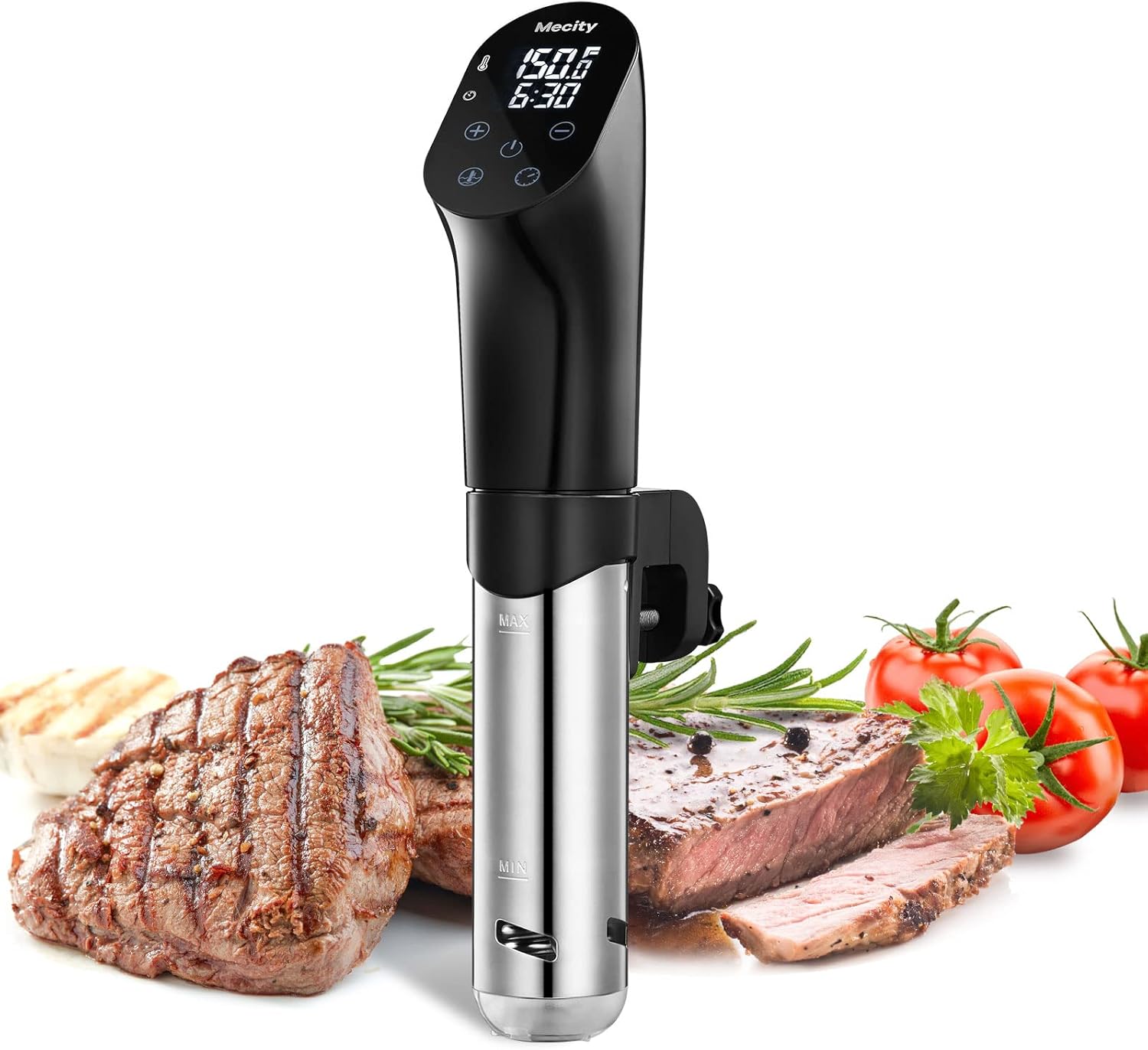
Understanding Sous Vide: A Culinary Revolution
The culinary world has embraced new technologies and techniques, but few have transformed cooking like sous vide. This precise method, which involves vacuum-sealing food in a bag and cooking it in a temperature-controlled water bath, has revolutionized how chefs approach flavor and texture. The origins of sous vide can be traced back to the 1970s in France but has since gained immense popularity across the globe, particularly in the United States.
As chefs and home cooks explore this innovative technique, many are discovering that sous vide is not just a cooking method but a way to enhance their culinary artistry. Here are several compelling reasons why sous vide is gaining traction:
- Consistency: Sous vide ensures that food is cooked evenly, eliminating the risk of overcooking or undercooking. For instance, when cooking steak using traditional methods, the outer layers may become overdone while the inside remains rare. With sous vide, a steak cooked at 130°F for an hour will have the same doneness throughout, providing a perfect medium-rare experience.
- Enhanced flavors: Cooking food in a sealed environment allows for better retention of juices and seasonings. The flavors are more concentrated, and marinades can penetrate more deeply. For example, a piece of salmon marinated in herbs and lemon juice will have an intense burst of flavor thanks to being cooked in a vacuum-sealed bag.
- Versatility: From meats to vegetables and even desserts, sous vide can elevate virtually any dish. Cooking tough cuts of meat, such as brisket or short ribs, for several hours at a low temperature can turn them into tender, flavorful masterpieces. Vegetables, like carrots or asparagus, maintain their vibrant colors and nutrients, making plates visually appealing and nutritious. Desserts such as crème brûlée can be prepared flawlessly, with a delicate texture that’s hard to achieve through traditional cooking methods.
Furthermore, sous vide cooking reduces the need for constant attention, allowing chefs to manage their time more efficiently. For instance, in a bustling restaurant kitchen, a chef can prepare vegetables or protein in a water bath while simultaneously working on sauces or garnishes. This multitasking ability is essential for creating seamless dining experiences.
As the culinary landscape evolves, sous vide stands out for its ability to merge science with art, creating food that’s not only delicious but also visually appealing. Chefs across the United States are mastering this technique, incorporating it into menus with stunning results. Iconic restaurants and food trucks alike are offering sous vide dishes that tantalize the taste buds and excite the eye.
Are you curious about how sous vide can transform your cooking? The accessibility of sous vide equipment, from immersion circulators to compact vacuum sealers, makes it easier than ever for home cooks to experiment with this method. Stay tuned as we explore its applications, advantages, and why this culinary technique is here to stay, making waves not just in professional kitchens but also in homes across America.
DISCOVER MORE: Click here to uncover the impact of migrations on regional recipes
The Science Behind Sous Vide: How It Works
Sous vide, which translates to “under vacuum” in French, is a technique that marries precision with simplicity, making it a game changer for both professional chefs and enthusiastic home cooks. At its core, sous vide cooking employs precise temperature control to achieve unparalleled results. Unlike traditional cooking methods that rely on direct heat, sous vide utilizes an immersion circulator to maintain a consistent water temperature, allowing food to cook evenly and develop rich flavors.
The process begins by vacuum-sealing food in a durable bag, which is then submerged in a heated water bath. This method of cooking significantly lowers the likelihood of uneven cooking, often found in conventional techniques. The science here is clear: when the temperature remains constant, the food cooks at a reliable speed, transforming ingredients’ textures and flavors with remarkable accuracy.
Key Benefits of Sous Vide Cooking
The rise in popularity of sous vide can be attributed to several key benefits:
- Precision Cooking: Sous vide enables cooks to set the exact temperature, ensuring that proteins, vegetables, and even baked goods reach their perfect doneness without guesswork. For example, an egg cooked at 145°F for one hour will yield a custardy texture that’s difficult to replicate through boiling or frying.
- Retention of Nutrients: Traditional cooking often leads to nutrient loss due to high temperatures and extended cooking times. Sous vide preserves the vitamins and minerals in vegetables, allowing dishes to be both flavorful and healthy. Research shows that cooking vegetables sous vide can retain up to 90% more nutrients than conventional methods.
- Extended Shelf Life: Because sous vide is conducted in vacuum-sealed bags, food remains free from exposure to oxygen, slowing down the spoilage process. This creates a perfect opportunity for meal prep, allowing for longer storage periods of cooked dishes without sacrificing quality.
With sous vide, cooks can go beyond basic techniques by creating complex and multi-layered dishes effortlessly. For instance, a chef can prepare scallops with a perfect sear while simultaneously cooking asparagus to the ideal tenderness. The time saved in the cooking process translates into more creativity and innovation within the kitchen.
Yet, many may be surprised to learn that sous vide is not solely reserved for high-end gastronomic experiences. Its growing presence in home kitchens across America signifies a shift in how everyday meals are prepared. Affordable sous vide devices are becoming increasingly accessible, allowing culinary enthusiasts to experience restaurant-quality food in the comfort of their homes. As consumer interest swells, so too does the wealth of online resources, instructional videos, and curated recipe collections, opening the door to culinary adventures that were once the privilege of professional chefs.
As we continue to explore sous vide, it’s essential to understand its practical applications and the ways it can reshape modern cooking methods. Join us as we delve deeper into innovative recipes, tips on mastering the technique, and insights into the culinary field’s ongoing transformation through precise cooking.
| Advantages | Details |
|---|---|
| Precision Cooking | Sous vide allows for exact temperature control, ensuring that ingredients maintain optimal flavor and texture throughout the cooking process. |
| Consistency | With sous vide, chefs can replicate dishes with perfect consistency, providing guests with the same remarkable experience each time. |
| Enhanced Flavor | The vacuum-sealed bags lock in natural juices and flavors, leading to richer and more appetizing dishes without the need for excessive seasoning. |
| Nutrient Retention | Cooking at lower temperatures in water retains essential nutrients that are often lost in traditional cooking methods. |
The world of modern cuisine is revolutionized by the use of sous vide, presenting enticing methods that enhance the dining experience. With precision cooking at its core, the sous vide process ensures that every ingredient is cooked to perfection, resulting in meals that are not only delectable but also packed with flavor and nutrients. The ability to achieve luxurious textures and consistent results makes this method a staple in both home kitchens and professional restaurants alike. Moreover, as home cooks embrace sous vide technology, they gain access to chef-level techniques, leveling up their culinary skills without requiring extensive training. Therefore, diving into the realm of sous vide is not merely about cooking; it’s about embarking on a journey of culinary exploration where each dish tells a story of meticulous preparation and unmatched quality.
DIVE DEEPER: Click here to discover the fusion of tradition and innovation in sustainable cuisine
Innovative Recipes and Techniques for Sous Vide Cooking
As sous vide continues to gain traction among both culinary professionals and home cooks, innovative recipes and techniques are emerging that demonstrate the vast potential of this cooking method. With the ability to achieve precision beyond traditional methods, cooks are creatively experimenting with flavors, textures, and even unusual ingredients, leading to exciting culinary outcomes.
Exploring Unique Pairings and Flavor Profiles
One of the most compelling aspects of sous vide is its capability to bring out flavors in unexpected ways. Chefs are now using the technique to create flavor infusions that would be difficult to achieve with traditional cooking. For instance, by vacuum-sealing fruits and herbs together before cooking, the flavors become intensely infused into the food. Consider a recipe that incorporates strawberries with balsamic vinegar and fresh basil—cooking these ingredients sous vide transforms them into a luxurious compote, perfect for drizzling over grilled chicken or desserts.
Additionally, sous vide allows for the exploration of new and exciting pairings. Take, for example, a dish that combines miso-marinated cod with a sous vide sweet potato puree. Cooking the cod at a precise temperature ensures that it is profoundly tender and retains its delicate umami flavors, while the sweet potato puree maintains its creamy texture, resulting in a harmonious balance of flavors.
Advanced Techniques: Infusions and Marinations
Beyond standard cooking, sous vide is adept at infusing and marinating foods in a way that enhances flavor profoundly. For many, marinating proteins can lead to inconsistent results, often requiring hours of preparation. With sous vide, a process that previously took hours can now happen in a mere 30 minutes. This is achieved by sealing meats with marinades in a vacuum bag, where the vacuum environment allows for flavors to penetrate deeply and quickly.
For example, a simple marinade of soy sauce, garlic, and ginger paired with chicken thighs can yield a tender, deeply flavorful dish in record time. By cooking at 165°F for just an hour, the chicken absorbs the savory elements while remaining moist—a result often unattainable through conventional marinating methods.
The Impact of Sous Vide on Food Safety
In addition to flavor and texture benefits, sous vide cooking plays an important role in enhancing food safety. The precise temperature control can significantly reduce the risk of foodborne illnesses, a pressing concern in today’s culinary world. Cooking foods to their recommended safe temperatures while maintaining that heat for adequate time has proven effective in killing harmful pathogens. For instance, cooking pork in the sous vide for 145°F for at least one hour will not only ensure safety but also yield a juicy, tender result. This method reassures cooks, especially those preparing meals for families or large gatherings, that they are serving safe and delicious dishes.
Widening Accessibility: Home Chefs Embrace Sous Vide
Thanks to advancements in technology, sous vide cooking is more accessible than ever. High-quality immersion circulators are available at various price points, allowing home cooks to experiment without breaking the bank. Moreover, the growing community around sous vide cooking—with countless online forums, social media groups, and instructional platforms—empowers individuals to share tips, recipes, and challenges, fostering a creative kitchen culture.
From perfectly cooked steaks to exquisite desserts that would impress even the pickiest of guests, the trend of sous vide cooking not only supports precision but also ignites culinary experimentation. As more individuals grasp the technique and its myriad applications, the evolution of modern cuisine will undoubtedly continue to flourish. The potential behind sous vide is limitless, and the art of cooking with precision is only beginning to reveal its exciting prospects.
DISCOVER MORE: Click here to dive deeper
Conclusion: The Evolution of Culinary Precision
As we have explored in this article, sous vide represents a revolutionary movement in the culinary landscape, offering an unmatched level of precision that traditional cooking methods often lack. By enabling chefs to cook food at exact temperatures for extended periods, sous vide not only enhances flavor and texture but also ensures safety, addressing critical health concerns in food preparation. The technique fosters creativity and encourages culinary experimentation, transforming even the simplest recipes into gastronomic delights.
The advent of affordable sous vide equipment has demystified this cooking method, making it accessible to home chefs eager to explore its benefits. As more individuals embrace this technique, they are uncovering a myriad of possibilities—from innovative pairings to advanced marinating processes that bring flavors to new heights. This culinary renaissance shows no signs of slowing down, as food enthusiasts continue to share knowledge and innovations, pushing the boundaries of what is achievable in the kitchen.
In a world where cooking often feels rushed and chaotic, sous vide serves as a reminder of the art of patience and precision. With its potential now more apparent than ever, the evolution of modern cuisine is being shaped by those who prioritize technique and expertise, ensuring that every meal reflects the highest culinary standards. For the aspiring home chef or seasoned professional, the journey into sous vide cooking promises to yield rich rewards in taste, presentation, and overall dining experience. As we look forward to the future of culinary arts, it is evident that sous vide will play an instrumental role in defining our next culinary adventures.