
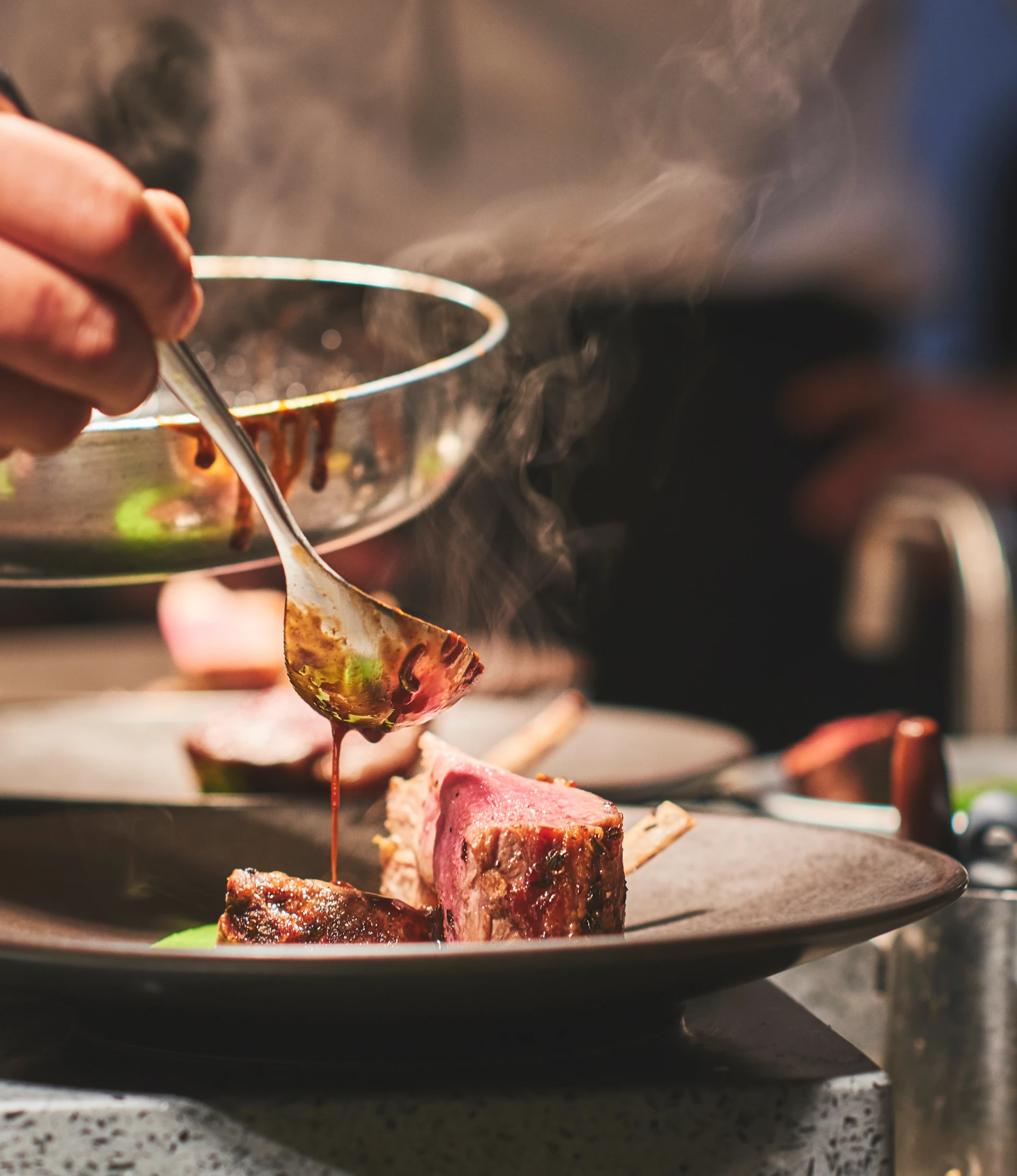
The Allure of Low-Temperature Cooking
In recent years, low-temperature cooking has gained remarkable popularity among home chefs and culinary enthusiasts alike. This technique offers a captivating blend of flavor, texture, and nutrition that traditional cooking methods often struggle to achieve. By slowly cooking food at lower temperatures, you can unlock a depth of flavor that is both subtle and pronounced, allowing the natural characteristics of the ingredients to shine. However, as enticing as it sounds, low-temperature cooking is not without its intricacies.
Understanding the advantages and challenges associated with this style can help you navigate its complexities. Here’s a glimpse of what makes low-temperature cooking a fascinating subject:
- Enhanced Flavor: Foods cooked at lower temperatures often display richer flavors. For example, a beef brisket cooked at 150°F for several hours can develop a depth of flavor that is rarely achieved through traditional high-heat methods. The slow cooking allows for the breakdown of connective tissues and the infusion of seasonings.
- Tender Textures: This method can produce exceptionally tender cuts of meat. A prime example is sous-vide chicken breast, which, when cooked at 140°F, remains juicy and succulent without the risk of overcooking. This technique is particularly popular for preparing proteins that can be challenging to cook perfectly through conventional means.
- Nutritional Retention: Cooking at lower temperatures helps preserve essential nutrients. For instance, vegetables retain more vitamins, such as vitamin C and B vitamins, when steamed at lower temperatures versus being boiled at high heat. This not only contributes to better health but also maintains vibrant colors and textures in the final dish.
Despite these benefits, it is crucial to consider some challenges that come with this cooking style. Some of these include:
- Longer Cooking Times: Low-temperature cooking requires patience. A meal that might take 30 minutes to prepare using standard methods could easily take several hours when employing sous-vide or similar techniques. Enthusiasts should plan accordingly to allow their meals the necessary time to develop.
- Food Safety Concerns: Maintaining proper temperatures is essential to ensure safety. Cooks need to be vigilant about preventing bacterial growth, especially when preparing meats. It is vital to follow guidelines meticulously and use food thermometers to verify that proper temperatures are maintained throughout the cooking process.
- Special Equipment: Invest in precision cooking devices for the best results. Many home cooks who embrace this method opt for sous-vide immersion circulators or temperature-controlled ovens. While these tools can be an upfront investment, they often yield superior results and can expand culinary creativity significantly.
As you dive deeper into the realm of low-temperature cooking, you’ll discover both its potential and the hurdles to overcome. With a bit of preparation, equipment, and a passion for culinary experimentation, you can transform ordinary meals into extraordinary dining experiences. Are you ready to explore this culinary adventure? Delve into the various techniques and discover how low-temperature cooking can become a valuable addition to your cooking repertoire.
DISCOVER MORE: Click here to delve deeper
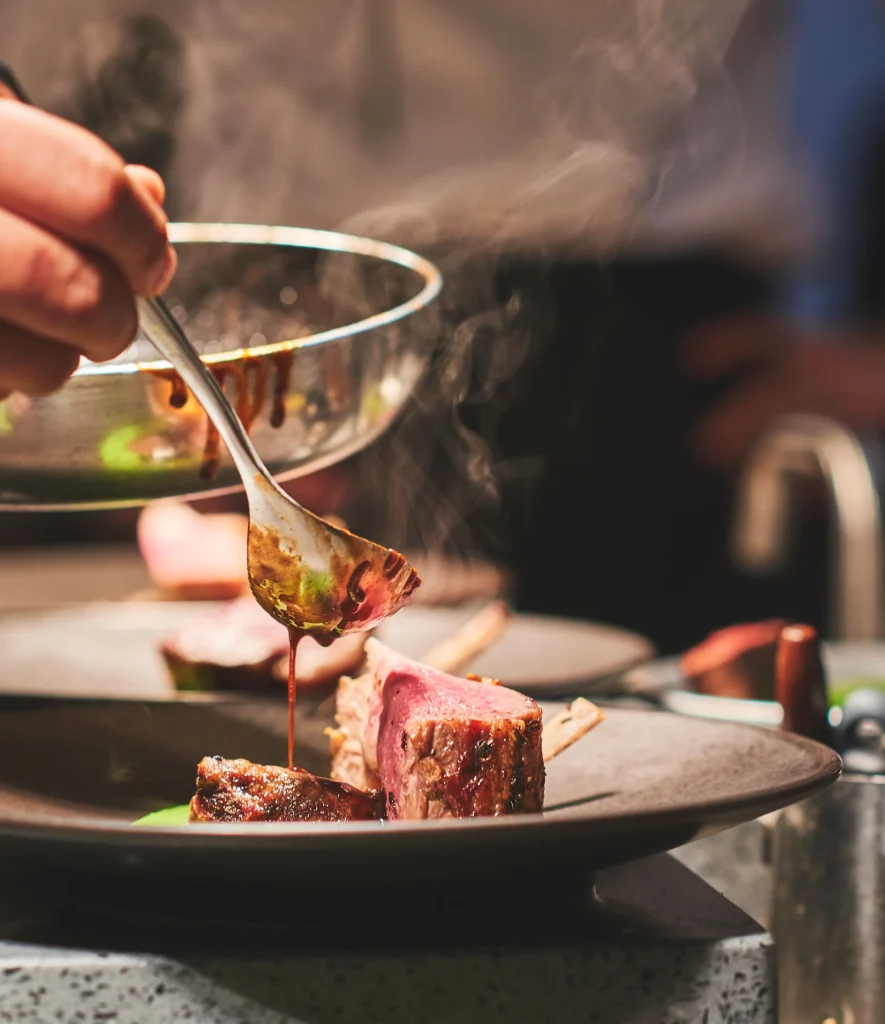
Diving Deeper into Low-Temperature Cooking: The Benefits
Delving further into the world of low-temperature cooking reveals a treasure trove of benefits that can enhance not only your culinary skills but also the overall dining experience. As chefs and food lovers alike explore the nuances of this technique, they uncover the intricate ways in which it elevates flavor and presentation while promoting healthier eating habits.
The key advantages of low-temperature cooking extend beyond mere taste. Here are some noteworthy points to consider:
- Precise Temperature Control: One of the standout features of low-temperature cooking is the ability to control temperature with remarkable accuracy. This precision allows for an optimal cooking environment that minimizes the risk of overcooking. Tools such as sous-vide circulators can maintain an exact temperature for hours without fluctuations, giving you the confidence to achieve perfect results consistently.
- Maximizing Juiciness: Low and slow cooking techniques regularly yield juicy, flavorful results. Cooking meats at temperatures like 150°F to 165°F helps retain moisture and creates a melt-in-your-mouth texture. Dishes like pork shoulder can be left to cook overnight in a slow cooker or sous-vide, resulting in tender, flavorful bites that impart a depth of flavor seldom replicated through traditional methods.
- Versatile Cooking Methods: Low-temperature cooking is not confined to just one technique; it encompasses a variety of methods, including sous-vide, slow roasting, and braising. These options allow you to experiment with different textures, flavors, and ingredient combinations, paving the way for culinary creativity that can impress even the most discerning of palates.
- Seasoning Integration: A significant benefit of cooking at lower temperatures is the ability to enhance and marry flavors more effectively. By cooking ingredients slowly, seasonings have more time to permeate the food, creating a harmonious blend of tastes. A classic example is braised short ribs, which absorb the seasoning and aromatics, developing a flavor profile that is deep and complex.
- Environmentally Friendly: Low-temperature cooking often consumes less energy than conventional cooking methods, making it an eco-friendly choice. Slow cookers and sous-vide machines are designed to be energy-efficient, allowing you to not only save on utility bills but also contribute to a more sustainable cooking practice.
While the advantages of low-temperature cooking are compelling, the reality is that mastering this technique requires a commitment to understanding its principles. Enthusiasts must be willing to invest time in learning the nuances of temperature control, ingredient compatibility, and the essential equipment required. This initial learning curve can be daunting, but the rewards are undeniably tantalizing.
In the next segment, we will explore the challenges that accompany low-temperature cooking. By being aware of potential pitfalls, you can equip yourself with the knowledge needed to overcome these obstacles and fully embrace this innovative culinary approach.
Unveiling Low-Temperature Cooking: Advantages and Challenges
As culinary techniques evolve, one method that continues to gain traction among food enthusiasts and professional chefs alike is low-temperature cooking. This innovative approach is not just a fleeting trend; it brings forth a variety of advantages that can significantly enhance cooking results. Understanding these benefits can deepen appreciation for this technique while also highlighting some inherent challenges.
| Advantage | Impact |
|---|---|
| Enhanced Flavor | Cooking at lower temperatures allows the natural flavors of the food to develop more deeply without the risk of charred or burnt tastes. |
| Improved Texture | This technique promotes even cooking, keeping the food moist and tender, which is especially beneficial for meats. |
The advancements in low-temperature cooking also open doors to exploring new culinary possibilities. For instance, sous-vide cooking, a popular method within this technique, allows for precise temperature control, enabling home cooks to achieve restaurant-quality results efficiently. However, there are challenges, such as the need for specialized equipment and longer cooking times, which may discourage some from fully embracing this method.
As we delve deeper into the advantages and challenges of low-temperature cooking, it becomes evident that balancing the benefits with potential obstacles is key to mastering this fascinating culinary art. By overcoming challenges, enthusiasts can unlock incredible flavors and textures that transform everyday meals into extraordinary culinary experiences.
DIVE DEEPER: Click here to discover the flavors of culinary identities
Navigating the Terrain: Challenges of Low-Temperature Cooking
While the benefits of low-temperature cooking are rich and rewarding, a clearer understanding of its challenges is paramount for anyone looking to incorporate this method into their culinary repertoire. The transition from traditional cooking to low-temperature techniques presents various hurdles that can test the resolve of even the most committed home cook. Here are several challenges that you may encounter:
- Time Commitment: One of the most significant hurdles in low-temperature cooking is the requirement for extended cooking times. Foods prepared using methods like sous-vide may take several hours to reach the desired doneness, which can deter impatient cooks accustomed to quicker preparation techniques. For instance, a perfectly cooked steak in a sous-vide bath might take 1-4 hours, depending on the thickness, which is a stark contrast to the typical grilling or pan-searing time of mere minutes.
- Need for Specialized Equipment: Many low-temperature cooking techniques necessitate the use of specific gadgets, such as sous-vide immersion circulators or temperature-controlled slow cookers. While these tools can enhance the cooking process, they involve an upfront investment. Understanding which equipment is essential and how to use it effectively can also pose a learning curve for those new to the method.
- Risk of Bacterial Growth: Low-temperature cooking operates often at lower temperatures that can fall within a temperature danger zone (typically 40°F to 140°F) for extended periods. Consequently, the risk of bacterial growth increases if food is not handled with care. To mitigate this risk, it is vital to adhere to strict food safety practices, such as ensuring that sous-vide bags are vacuum-sealed and that food is cooked to a minimum internal temperature that is safe for consumption.
- Ingredient Compatibility: Not all ingredients are suited for low-temperature cooking. For example, certain vegetables may not achieve the appropriate texture or flavor when cooked at lower temperatures. Moreover, some proteins, like fish, require careful attention to avoid an overly soft texture when subjected to prolonged cooking. Understanding the characteristics of each ingredient can be crucial to achieving the best results.
- Flavor Concentration vs. Dilution: While low-temperature cooking allows for flavor integration, it can also lead to potential dilution if not executed properly. Long cooking times can sometimes soften flavors too much, especially in dishes where ingredients release moisture. Consideration of cooking time and ingredient proportions is necessary to strike a balance and achieve a dish with vibrant tastes.
As home cooks navigate the complexities of low-temperature cooking, they cultivate a deeper appreciation for culinary art. Recognizing these challenges can empower individuals to approach this innovative cooking method with confidence and creativity. With a proactive mindset, your experimentation may yield exceptional culinary feats that proclaim the true advantage of low-temperature cooking.
DISCOVER MORE: Click here to uncover the stories behind traditional recipes
Final Thoughts on Low-Temperature Cooking
In conclusion, low-temperature cooking emerges as a compelling culinary technique that offers both exceptional flavor enhancement and a host of challenges that must be navigated with care. The ability to achieve perfectly tender and juicy results is truly appealing, yet the time commitment and necessity for specialized equipment can present obstacles for many home cooks. Recognizing crucial factors, such as food safety practices and ingredient compatibility, is essential in making the most out of this transformative cooking method.
As culinary enthusiasts explore the intricacies of low-temperature cooking, they not only expand their cooking skill set but also foster a growing understanding of food science and flavor dynamics. The opportunity to create restaurant-quality meals at home can be immensely gratifying, provided one approaches the challenges head-on with curiosity and experimentation.
For those ready to embrace this innovative cooking style, the journey promises to be as rewarding as the dishes it yields. Whether you’re preparing a rich, flavored sous-vide dish or utilizing the gentle warmth of slow cooking, the possibilities are endless. As you delve deeper into the art of low-temperature cooking, keep experimenting and discovering the new culinary horizons that await, turning the complexity of this method into your next great food adventure.