The Influence of Word Games on the Improvement of Problem-Solving Skills

The Rise of Word Games
Word games have steadily grown in popularity, captivating individuals of all ages. These interactive puzzles are more than just an entertaining way to pass time; they also serve as powerful tools for enhancing cognitive abilities. Engaging with such games requires a unique blend of skills that can sharpen the mind and improve problem-solving capabilities.
Understanding the Benefits
Research has increasingly highlighted the significant benefits of engaging with word games, particularly in the realm of problem-solving skills. Here are a few noteworthy aspects:
- Cognitive Flexibility: Word games challenge players to think outside the box. For example, games like Scrabble or Boggle require players to combine letters in unconventional ways to form words, encouraging creative thinking and mental agility.
- Vocabulary Expansion: Increased vocabulary promotes better communication. Games such as Words With Friends allow participants to discover new words and their meanings, fostering a richer linguistic repertoire that can be applied in everyday conversations and professional settings.
- Pattern Recognition: Players learn to identify and utilize patterns, enhancing analytical thinking. This is particularly evident in games like Wordle, where spotting letter placements and frequencies is key to success, mirroring skills useful in various analytical professions.
The Mechanics of Engagement
These games often demand quick thinking and adaptability, essential traits for effective problem-solving. Players must devise strategies and predict opponents’ moves, a practice that can enhance decision-making skills and the ability to assess risk. The mental gymnastics involved pushes players to strategize and devise creative solutions.
The competitive element found in many word games can stimulate engagement. Challenging friends or strangers adds a social dimension, making the experience more enjoyable. When players are motivated and challenged, learning and skill development occur in a dynamic environment that promotes collaboration and camaraderie.
Word Games in Context
As we delve deeper into the influence of word games on problem-solving, it becomes clear that these interactive activities can foster vital skills that extend far beyond the gaming table. Whether through online platforms like Words With Friends or classic board games like Scrabble, enthusiasts in the United States and beyond find themselves not only entertained but also sharpening their minds.
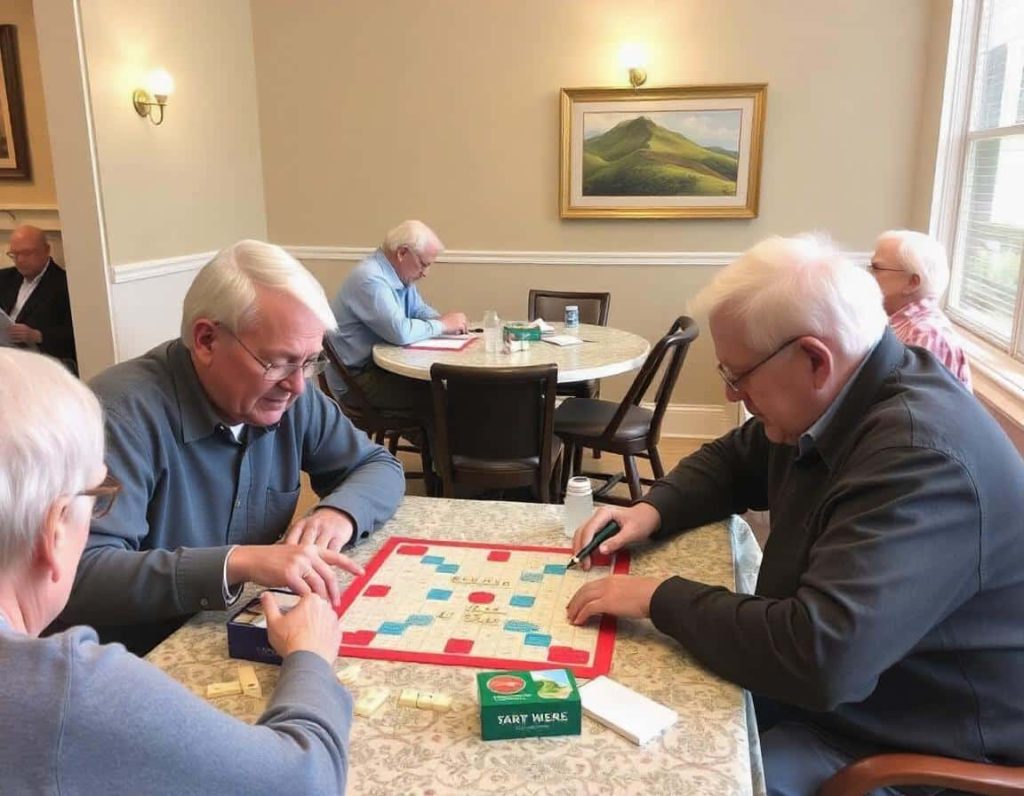
For educators, incorporating word games into lesson plans can serve as an engaging method to boost students’ literacy and critical thinking abilities. Similarly, businesses can adopt these tools not just for employee engagement but as a means to develop a culture of innovation and team bonding.
In summary, the multifaceted advantages of word games make them not only enjoyable but also vital for cognitive development. As players navigate through the world of words, they unlock a treasure trove of skills that can enrich their personal and professional lives.
DISCOVER MORE: Click here to enhance your skills
Exploring Cognitive Skills through Play
As word games become a staple in many households and social circles, their role in fostering problem-solving skills is gaining recognition. These games tap into various cognitive processes that help players develop and refine essential skills. Each turn or move requires quick thinking and adaptive strategies, inviting players to navigate through challenges creatively.
One of the key ways word games contribute to cognitive development is through the enhancement of critical thinking. For instance, games like Scrabble compel players to analyze letter combinations, weighing the potential of each move while considering the opponent’s strategies. This analytical approach is a fundamental aspect of effective problem-solving. Players are not merely constructing words; they are also engaging in a mental exercise that sharpens their ability to evaluate options and consequences.
Moreover, the social dynamics of word games introduce an additional layer of complexity. Interaction with other players adds an element of unpredictability, training participants to adapt their thought processes on the fly. To succeed, players must anticipate their opponents’ choices and devise counter-strategies. This ongoing assessment and adaptation are crucial in real-world problem-solving scenarios, whether in academic environments or workplace settings.
Practical Applications of Word Games
The influence of word games extends beyond traditional gameplay, offering practical applications in various fields. Educators utilize these games as tools not only for literacy enhancement but also to develop critical thinking skills in students. By incorporating word games into the curriculum, teachers can create an engaging learning atmosphere that encourages collaboration and cognitive flexibility.
Here are some ways word games can be practically applied to enhance problem-solving skills:
- Team Building: Organizations can use word games in team-building exercises to foster communication and collaborative problem-solving.
- Creative Workshops: Professionals in creative fields can incorporate word games to stimulate innovative thinking and break down mental barriers.
- Therapeutic Settings: Therapists may include word games in sessions to improve cognitive function and memory in clients, particularly the elderly.
Furthermore, neuropsychological research supports the notion that engaging with word games can lead to better mental functions, including memory retention and information retrieval. Studies have shown that regular players often exhibit a stronger capacity for abstract thinking, which is directly applicable to complex problem-solving situations.
Ultimately, integrating word games into daily routines can significantly improve cognitive resilience and agility. As individuals immerse themselves in the world of word puzzles, they are not merely having fun; they are cultivating a toolkit of skills that can be applied in various aspects of life, from personal relationships to professional challenges. Through this lens, the impact of word games as a medium for enhancing problem-solving abilities becomes increasingly apparent.
| Advantage | Description |
|---|---|
| Enhancement of Vocabulary | Word games challenge players to discover and use new words, fostering a richer and more flexible vocabulary. |
| Cognitive Flexibility | Players learn to adapt their strategies based on the rules of the game, improving their ability to think critically and creatively. |
| Analytical Skills Development | By analyzing word patterns and relationships, players enhance their ability to assess problems from multiple angles. |
| Stress Relief and Focus | Participating in engaging word games can reduce stress levels, allowing individuals to concentrate better on problem-solving tasks. |
The ongoing engagement with word games not only sharpens problem-solving skills but also contributes to the development of various cognitive abilities. As players progress, they face increasingly complex challenges, prompting them to think intuitively and strategically, thus broadening their cognitive horizons. Whether through solo play or group dynamics, these games create an ideal environment for learning, encouraging players to explore new techniques and share strategies, ultimately leading to a more significant enhancement of their proficiency. As one delves into the realm of word games, the implications on problem-solving capabilities become increasingly evident, initiating a ripple effect throughout their overall cognitive functioning.
DISCOVER MORE: Click here to learn about the role of 3D puzzles
Word Games as a Tool for Skill Development
Beyond their entertainment value, word games can serve as a powerful tool for skill development across various age groups. From early childhood to adulthood, individuals can harness these games to build essential cognitive capabilities. For instance, children who engage with word puzzles like Boggle or Hangman not only develop their vocabulary but also cultivate resilience in problem-solving. When faced with challenging words or limited letters, young players learn to strategize and rethink their approach, experiences that mirror real-life challenges.
Moreover, adult learners can significantly benefit from engaging in word games. A study conducted by the University of California found that adults who regularly play these games tend to demonstrate an increase in both verbal fluency and cognitive flexibility. This flexibility is crucial in tackling complex problems in professional environments. In careers that require immediate decision-making, such as medicine or finance, the ability to think on one’s feet can be considerably enhanced through consistent participation in word games.
Cognitive Engagement through Diversity
Various word games provide unique environments that promote cognitive engagement. Games such as Letters Against Humanity or Wordfeud introduce new challenges that require players to merge creativity with logic. This combination of skills facilitates divergent thinking—the ability to generate multiple solutions to a problem. In contrast, standard crossword puzzles often focus on convergent thinking, honing a player’s aptitude for narrowing down answers to the most appropriate choice based on contextual clues. Both forms of thinking are invaluable for overcoming obstacles in diverse fields.
Additionally, data from the American Psychological Association highlights the role of word games in enhancing emotional intelligence, which is closely linked to effective problem-solving. Players learn to manage frustration stemming from difficult puzzles or competitive environments. This emotional regulation contributes to a more resilient mindset, enabling players to confront real-world problems with greater confidence and persistence.
Another notable aspect is the influence of technology on word games. With the rise of mobile applications like Words With Friends and Wordscapes, players have unprecedented access to interactive gameplay that fosters community and competition. This accessibility provides more opportunities for collaborative problem-solving, as players can connect with friends and family across long distances. Furthermore, the incorporation of leaderboards and competitive elements can motivate individuals to enhance their skills, providing both social engagement and cognitive development.
Furthermore, there is growing evidence linking word games with improved executive functions—the mental skills that include working memory, cognitive flexibility, and inhibitory control. Research published in the journal Intelligence indicates that consistent engagement in such games can bolster these executive functions, directly enhancing one’s ability to solve complex problems effectively. This enhancement is particularly valuable for students in academic settings where multitasking and focused attention are crucial.
The intricate ways that word games facilitate multifaceted skill development reflect their broad applicability not only in educational contexts but also in professional and social arenas. As players immerse themselves in these games, they unconsciously prepare themselves for the diverse challenges that life presents. Thus, as the popularity of word games continues to rise, their contributions toward developing robust problem-solving skills stand out even more compellingly.
DISCOVER MORE: Click here to uncover insights
Conclusion: Unlocking Potential through Word Games
In conclusion, the evidence supporting the influence of word games on the improvement of problem-solving skills is compelling and multifaceted. These games, ranging from simple word puzzles to complex competitive challenges, act as dynamic platforms that foster cognitive growth at various stages of life. Children gain valuable experience in resilience and strategic thinking, while adults enjoy benefits in verbal fluency and cognitive flexibility, vital skills in today’s fast-paced work environments.
Furthermore, the emotional intelligence cultivated through gaming reduces frustration and enhances persistence, key attributes for overcoming life’s obstacles. With technology facilitating more accessible and collaborative gameplay, word games have become an essential resource for enhancing problem-solving abilities. The rise of mobile applications encourages social interaction and friendly competition, creating a supportive environment for learning and skill development.
The integration of word games into daily routines not only enriches vocabulary but also strengthens executive functions crucial for effective decision-making. As further research continues to unveil the depth of these benefits, players and educators alike are encouraged to embrace the potential of word games as a means of unlocking cognitive capabilities. The myriad advantages that these games present mirror the complexities of real-world challenges, making them an invaluable tool for those seeking to enhance their problem-solving abilities. As we look ahead, the intersection of entertainment and education within the realm of word games promises a future where stronger problem-solvers are just a game away.
Related posts:
Unraveling Mysteries: The Art of Solving Puzzles and Mental Challenges
Digital Puzzles: The Impact of Video Games on Problem-Solving Ability
The Mathematics of Puzzles: How Numbers and Logic Help in Problem Solving
The Role of Logic Games in Improving Mental Resilience
Exploring the Logic of Escape Games: Strategies for Real-Time Problem Solving
Mind Games: Strategizing Solutions in Board Games and Cognitive Challenges

Linda Carter is a writer and puzzle expert specializing in mind games, brain teasers, and cognitive challenges. With extensive experience helping individuals enhance their problem-solving skills and think critically, Linda shares her knowledge on our platform. Her goal is to empower readers with practical advice, engaging puzzles, and strategies to sharpen their minds and achieve success in the captivating world of mind games and puzzles.