Developing Problem-Solving Skills Through Classic Puzzles

Unlocking the Mind with Puzzles
Classic puzzles have a unique ability to challenge and engage our brains. From crossword puzzles to Rubik’s Cubes, these timeless activities not only entertain but also enhance our problem-solving skills. As we immerse ourselves in these intriguing challenges, we tap into cognitive strategies that are applicable to everyday situations, improving our ability to think critically and creatively.
Why Focus on Puzzles?
Engaging with classic puzzles offers numerous benefits that contribute to our cognitive and emotional well-being. Here are some key advantages:
- Critical Thinking: Analyzing clues in a crossword puzzle or deducing moves in a chess game sharpens analytical skills. This type of engagement prompts individuals to assess information critically, a vital skill in both academic pursuits and professional settings.
- Creativity: Seeking alternative solutions fosters out-of-the-box thinking. For instance, solving a logic puzzle might encourage a new approach to a workplace project, leading to innovative solutions that can drive success.
- Persistence: Overcoming obstacles provides a sense of achievement and builds resilience. The satisfaction derived from completing a challenging jigsaw puzzle or mastering a difficult sudoku can translate into a greater willingness to tackle real-life challenges.
Examples of Classic Puzzles
Here are some classic puzzles popular in the United States that you might consider exploring:
- Sudoku: This number placement puzzle requires players to fill a 9×9 grid, ensuring that every row, column, and 3×3 square contains all digits from 1 to 9. Sudoku sharpens logical reasoning and promotes concentration, making it a favorite among individuals seeking mental stimulation during a quick break, such as at the office or during a commute.
- Crossword Puzzles: These word-based challenges test vocabulary and lateral thinking skills, often requiring solvers to think of synonyms and related terms. As they engage with crosswords, players expand their lexicon and enhance their ability to connect different ideas, skills crucial in both social settings and professional communications.
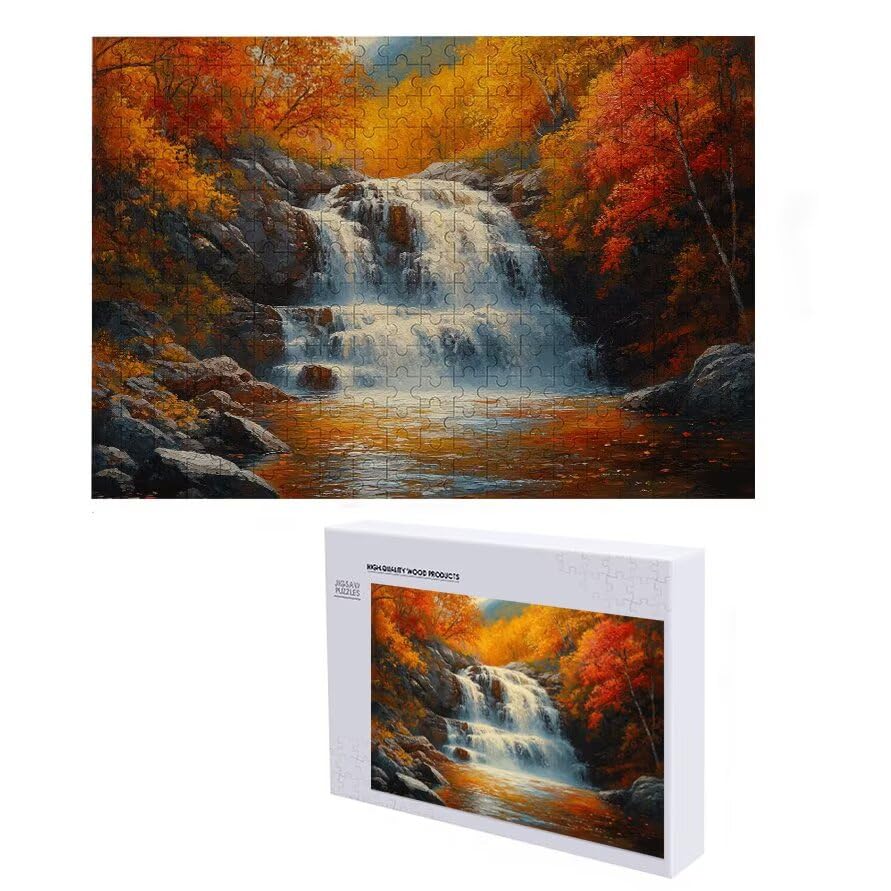
- Jigsaw Puzzles: Completing a jigsaw puzzle entails more than just fitting pieces together; it cultivates spatial awareness, enhances attention to detail, and promotes patience. The sense of accomplishment after finishing a complex image can serve as a confidence booster, encouraging individuals to take on new projects and ideas.
As we delve further into the world of classic puzzles, we discover how these brainteasers develop problem-solving skills that are not only beneficial for mental fitness but also instrumental in transforming our approaches to challenges in daily life. The lessons learned from engaging with puzzles can resonate far beyond the game, influencing how we tackle problems at work, within our personal lives, and even in the broader community. Whether you are seeking personal growth or simply an avenue for relaxation, immersing yourself in classic puzzles could very well be the key to unlocking new levels of cognitive potential.
DISCOVER MORE: Click here to dive deeper
Cognitive Benefits of Engaging with Classic Puzzles
As we engage in solving classic puzzles, we inadvertently embark on a journey to develop a myriad of problem-solving skills. By interacting with these mental challenges, we enhance our cognitive functions in remarkable ways. Not only do puzzles entertain and amuse, but they simultaneously work on sharpening our brains, making us more adept at navigating the complexities of life.
The Science Behind Problem-Solving and Puzzles
Numerous studies have shown a direct correlation between regular puzzle-solving activities and improved cognitive abilities. A report from the American Psychological Association highlights how engaging in brain-teasers can delay the onset of cognitive decline, thus reinforcing the notion that puzzles are not merely pastimes but crucial tools for mental fitness. Here’s a closer look at how specific types of puzzles foster key problem-solving skills:
- Logic Puzzles: These brain games require players to deduce information based on given clues, enhancing their logical reasoning skills. Whether it’s figuring out who lives in which house or determining the order of events, these puzzles train the brain to approach problems systematically.
- Mathematical Puzzles: Involving numbers and patterns, mathematical puzzles challenge our quantitative reasoning. Engaging with these puzzles enables individuals to practice estimation and develop mathematical intuition — skills vital not only in academic settings but in everyday decision-making as well.
- Strategy Games: Games such as chess or checkers compel players to think several moves ahead. They teach foresight and critical thinking, reinforcing the notion that well-laid plans can lead to successful outcomes — a lesson applicable in both personal and professional scenarios.
Moreover, classic puzzles foster not just analytical skills but also emotional intelligence. As individuals grapple with complex challenges, they develop a tolerance for frustration and learn the importance of perseverance. Such experiences cultivate a growth mindset, leading to a more resilient individual who is willing to confront challenges head-on, whether that means troubleshooting a project at work or navigating interpersonal relationships.
Puzzles as a Gateway to Enhanced Collaboration
Interestingly, many classic puzzles can be enjoyed collaboratively, providing a unique opportunity to develop teamwork skills. Engaging in puzzle-solving with friends or family offers a chance to practice communication and negotiation skills. For example, working on a jigsaw puzzle can remind us of the value of collective perspective in solving a problem. Each person’s contribution brings a different angle, leading to a more fulfilling and productive outcome.
In essence, the world of classic puzzles envelops us in a web of cognitive and emotional development. Exploring these challenges not only promise entertainment but also lays a robust foundation for mastering competencies essential in our modern, fast-paced society. As we continuously unravel these puzzles, the skills we develop become invaluable tools in our personal and professional lives, enhancing our overall problem-solving prowess.
Classic puzzles are not only an enjoyable pastime but also play a significant role in developing problem-solving skills. Engaging with these puzzles stimulates mental faculties, enhances cognitive abilities, and encourages logical thinking. The challenge of solving a puzzle pushes individuals to strategize their approaches, encouraging a proactive mindset.
Many classic puzzles, such as Sudoku, crosswords, and jigsaw puzzles, require players to identify patterns, make connections, and think critically. This type of engagement fosters a sense of perseverance as users work to crack complex problems. Research has shown that regular practice with puzzles can lead to improved memory retention and faster thinking, which are essential components of effective problem-solving.
Furthermore, classic puzzles promote a sense of accomplishment. Successfully completing a particularly challenging puzzle can boost self-esteem and motivate individuals to tackle even more difficult tasks in the future. This psychological benefit is crucial, as it encourages a growth mindset and resilience in the face of obstacles.
Here’s a closer look at the advantages of incorporating classic puzzles into problem-solving skill development:
| Category | Key Features & Benefits |
|---|---|
| Cognitive Development | Enhances critical and analytical thinking skills. |
| Pattern Recognition | Improves the ability to identify trends and relationships. |
| Strategic Thinking | Encourages planning and foresight through trial and error. |
As enthusiasts dive deeper into puzzles, they not only sharpen their minds but also cultivate skills applicable in real-world scenarios. This multifaceted approach to learning through play makes classic puzzles an invaluable resource for all ages. With each puzzle solved, the learner’s capacity for problem-solving grows, leading to enhanced performance in various life challenges.
DIVE DEEPER: Click here to discover more
Unleashing Creativity through Puzzle-Solving
Beyond enhancing cognitive reasoning and emotional resilience, classic puzzles also serve as a powerful vehicle for fostering creativity. When faced with a puzzle, individuals often need to think outside the box and explore alternative solutions. This creative exploration not only keeps the mind engaged but also encourages innovators to stretch their imagination and consider novel approaches to problem-solving.
The Link Between Creativity and Puzzle Types
Specific puzzles inherently promote creativity in different ways. For instance, crossword puzzles challenge participants to think of words that fit both a given definition and a specified number of letters, thereby stimulating verbal creativity. This requires individuals to make associations and connections between words that they may not normally consider, allowing them to expand their vocabulary and enhance their linguistic skills.
Similarly, logic grid puzzles compel solvers to look for patterns and relationships. By discerning these connections, individuals practice lateral thinking – a skill crucial in creative fields like advertising or marketing. As they approach these puzzles, solvers learn to pivot from a standard thought process to explore unexpected avenues, which translates well into brainstorming sessions in professional contexts.
The Impact of Virtual and Physical Puzzles on Learning Styles
The rise of technology has introduced an array of interactive puzzles that cater to various learning styles. Digital platforms offer puzzles that are not only entertaining but also adjustable to different skill levels. For instance, platforms like Lumosity and BrainBashers provide games that enhance problem-solving capabilities while adapting to the user’s progress. This adaptability ensures that learners remain engaged and challenged, fostering a willingness to tackle increasingly complex problems.
Physical puzzles, such as Rubik’s Cubes and mechanical puzzles, contribute similarly. These tactile experiences foster kinesthetic learning, as individuals manipulate physical objects to achieve desired outcomes. Studies show that engaging with three-dimensional puzzles can enhance spatial reasoning skills – an essential part of problem-solving in fields such as architecture or engineering. By involving different senses, these puzzles create a multi-faceted approach to learning that deepens cognitive understanding.
Bridging Generational Gaps Through Collaborative Puzzles
Classic puzzles can also serve as a means of bridging generational gaps, as they invite participants of all age groups to collaborate. Family members can connect over a jigsaw puzzle, for instance, sharing stories and strategies as they work towards a common goal. Such intergenerational interactions can nurture patience and communication skills, showcasing the value of collaboration despite diverse perspectives and experiences.
This shared puzzle-solving experience often leads to enhanced familial bonds, as relatives learn to appreciate each other’s viewpoints. Engaging collaboratively in puzzle-solving can teach younger generations the importance of listening and compromise, skills that are invaluable in both personal and professional relationships.
Ultimately, classic puzzles extend far beyond their surface-level entertainment value. They invigorate the mind, encourage emotional resilience, inspire creative thinking, and foster teamwork. As we delve deeper into these cognitive challenges, we find not only a playground for problem-solving but also a rich environment for holistic personal development.
DISCOVER MORE: Click here to dive deeper
Conclusion: The Lasting Impact of Classic Puzzles on Problem-Solving Skills
In today’s complex world, the ability to solve problems creatively and effectively is more critical than ever. Classic puzzles emerge as timeless tools that not only entertain but also empower individuals by honing essential problem-solving skills. They offer a unique blend of cognitive challenges and emotional benefits, providing a nurturing ground for both logical reasoning and innovative thinking.
As we have explored, engaging with various types of puzzles—from crosswords to spatial puzzles—stimulates mental agility and promotes a deeper understanding of complex concepts. Moreover, by incorporating collaborative problem-solving activities, families and communities can strengthen their bonds, demonstrating that the journey of unraveling a puzzle transcends individual gain to foster collective growth and mutual appreciation.
Furthermore, the advent of digital platforms has broadened accessibility, allowing more individuals to engage with interactive puzzles tailored to diverse learning styles. This inclusivity not only enhances individual problem-solving skills but also bridges generational gaps, making classic puzzles relevant to audiences of all ages.
Ultimately, the session spent on solving puzzles can yield profound insights and capabilities far beyond simple entertainment. By committing to this enriching practice, individuals will find themselves equipped not just with improved cognitive skills, but also with a mindset geared towards creativity and collaboration, essential traits for navigating the challenges of an ever-evolving world. Therefore, let us embrace the art of puzzle-solving as a pathway to sharpen our minds and enrich our lives.
Related posts:
How Strategy Games Can Enhance Mental Agility and Problem-Solving
Unraveling Mysteries: The Art of Solving Puzzles and Mental Challenges
The Psychology Behind Logic Games: How to Solve Problems with Creativity
Mind Games: Strategizing Solutions in Board Games and Cognitive Challenges
The Mathematics of Puzzles: How Numbers and Logic Help in Problem Solving
Puzzles and Education: How Riddles Can Stimulate Critical Thinking in Children

Linda Carter is a writer and puzzle expert specializing in mind games, brain teasers, and cognitive challenges. With extensive experience helping individuals enhance their problem-solving skills and think critically, Linda shares her knowledge on our platform. Her goal is to empower readers with practical advice, engaging puzzles, and strategies to sharpen their minds and achieve success in the captivating world of mind games and puzzles.